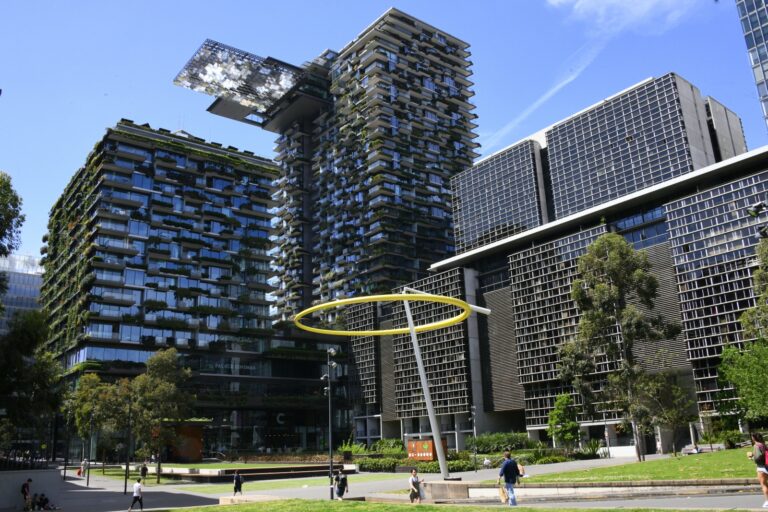
Sustainable Building Design Solutions: Top Green Technologies and Products for 2025
Sustainable building design, also known as green building design, focuses on reducing the environmental footprint of construction while improving energy efficiency and the quality of living spaces. It emphasizes eco-friendly materials, renewable energy, and efficient resource management throughout a building’s life cycle. The ultimate goal is to build smarter, cleaner, and more resilient structures.
The approach considers every stage from the selection of raw materials to design, construction, operation, and eventual demolition or reuse. Sustainable buildings minimize waste, reduce pollution, and ensure that energy and water resources are used responsibly.
The Importance of Sustainable Building Design in 2025
In 2025, sustainable building design is no longer an option but a necessity. Climate change, rising energy costs, and stricter environmental regulations are pushing industries and homeowners to adopt green technologies. Sustainable design ensures longevity, comfort, and cost efficiency, helping communities transition toward a carbon-neutral future.
Architects and developers are now integrating renewable technologies, eco-conscious materials, and smart systems into modern structures to meet global sustainability goals. These advancements don’t just protect the planet they also improve health, comfort, and property value.
Benefits of Implementing Sustainable Building Design
Energy Efficiency and Cost Savings
Sustainable buildings are designed to use energy more efficiently. With smart insulation, natural ventilation, and solar power systems, energy bills can be reduced by up to 50%. In addition, long-term operational costs are much lower compared to conventional buildings.
Health and Well-being
Green buildings enhance indoor air quality by using non-toxic materials, improved ventilation, and natural lighting. This results in better occupant health, reduced stress, and increased productivity in both homes and workplaces.
Environmental Protection
Sustainable design reduces carbon emissions, lowers waste production, and conserves natural resources. Using renewable materials and efficient systems ensures that construction leaves minimal environmental impact.
Real-World Products That Define Sustainable Building Design in 2025
Tesla Solar Roof
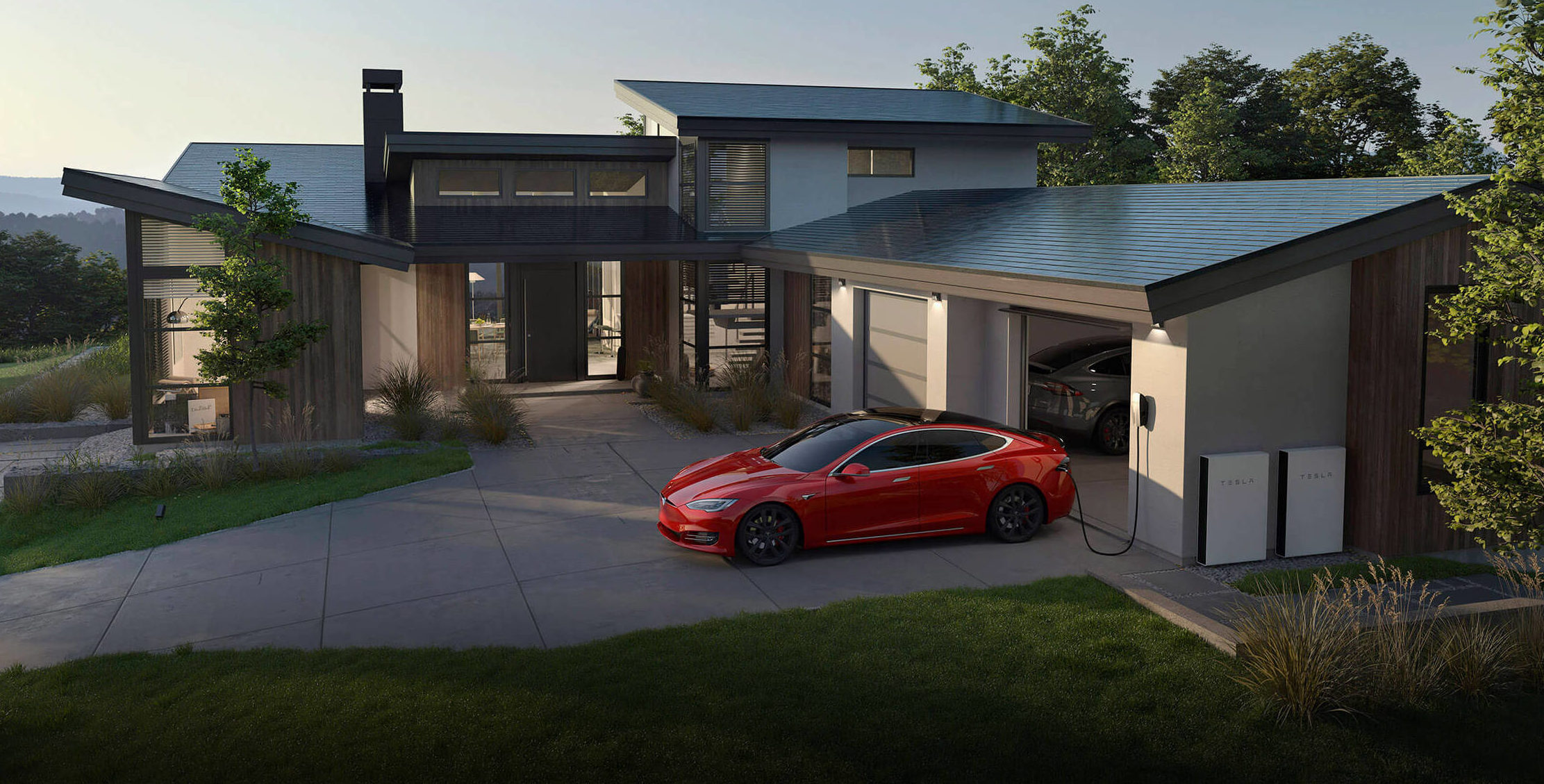
The Tesla Solar Roof is one of the most innovative green technologies for sustainable building design. It combines aesthetics and renewable energy generation by integrating solar cells directly into roof tiles.
Information:
Each solar tile is made of tempered glass that’s three times stronger than traditional roofing materials. The roof converts sunlight into clean electricity, reducing reliance on fossil fuels and lowering household energy costs.
Benefits:
- Generates renewable energy with no visual compromise.
- Reduces utility bills and dependence on the grid.
- Comes with a 25-year warranty for durability and performance.
Use Case:
Ideal for homeowners aiming to power their homes sustainably while maintaining a modern look. The Tesla Solar Roof can supply most, if not all, of a home’s energy needs.
Where to Buy:
Buy Tesla Solar Roof
LG Therma V Heat Pump System
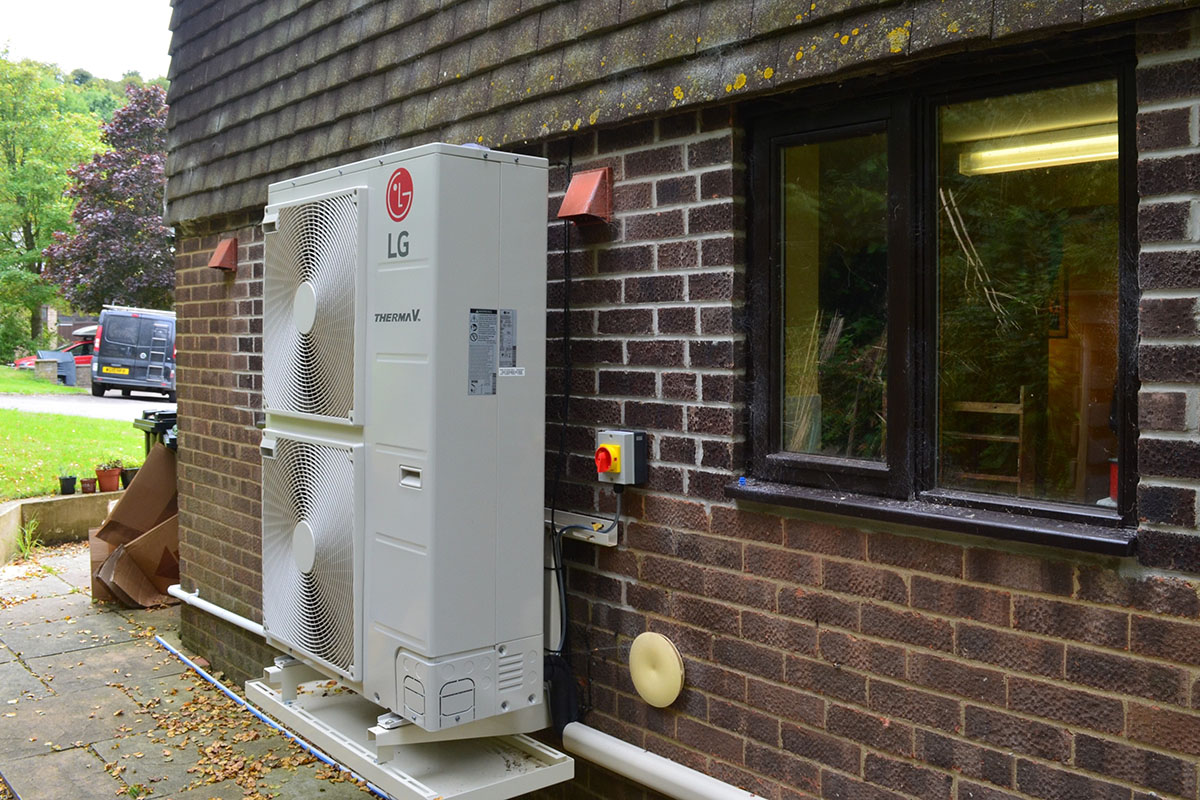
The LG Therma V Heat Pump is designed for sustainable heating and cooling. It uses advanced inverter technology to extract renewable heat energy from the air, reducing the need for conventional fuel sources.
Information:
This system offers efficient space heating, cooling, and hot water production. It adapts to building size and climate, ensuring comfort with minimal environmental impact.
Benefits:
- Up to 400% higher efficiency than gas boilers.
- Reduces CO₂ emissions significantly.
- Compatible with solar and smart home systems.
Use Case:
Perfect for residential and commercial buildings looking to transition to clean energy systems and reduce carbon footprints.
Where to Buy:
Buy LG Therma V Heat Pump
Saint-Gobain Ecophon Acoustic Panels
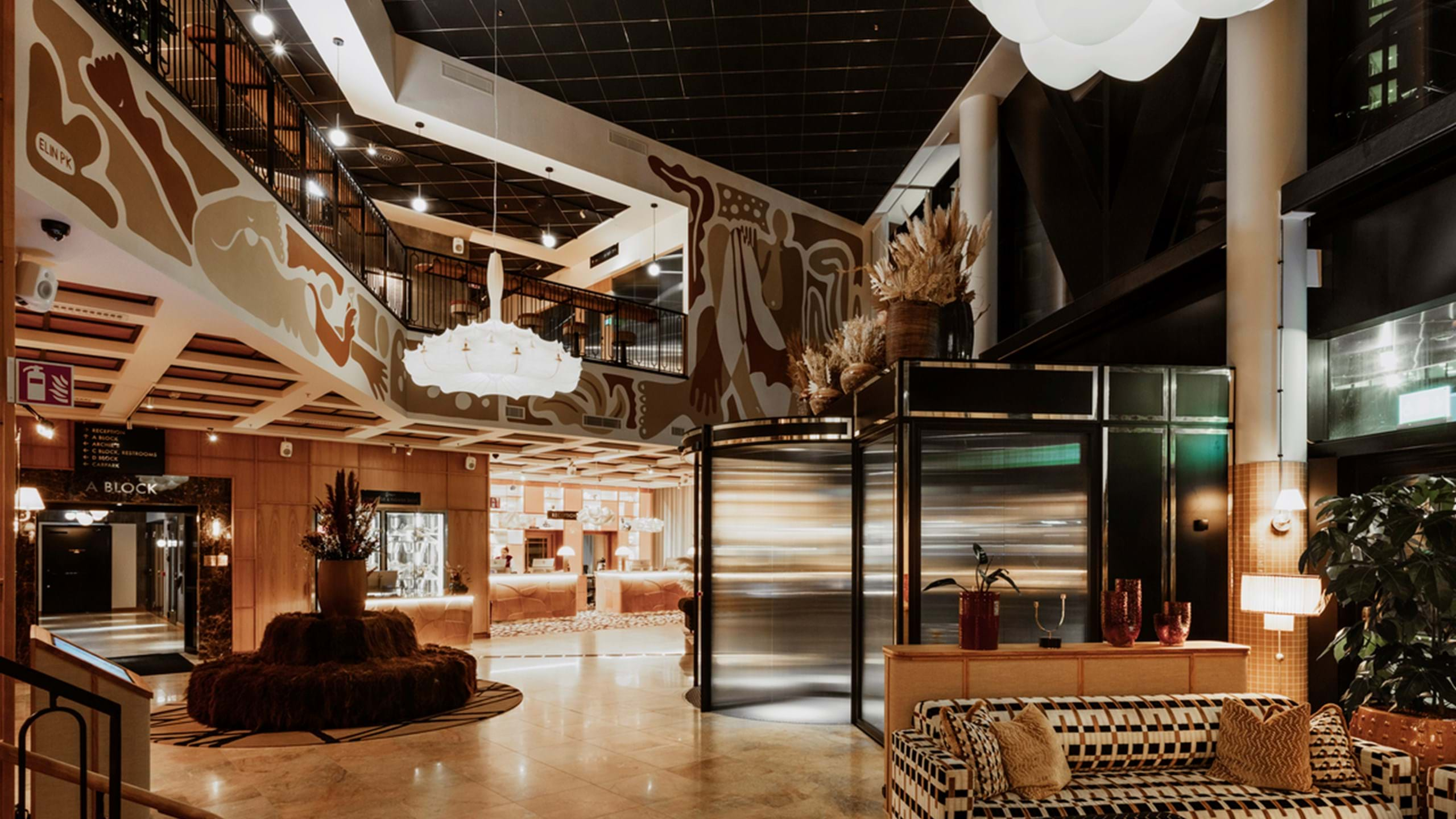
The Saint-Gobain Ecophon Panels combine acoustic performance with sustainability. Made from recycled materials, these panels improve indoor acoustics while maintaining high environmental standards.
Information:
Ecophon panels are designed for schools, hospitals, and offices where noise reduction and air quality are essential. Their eco-label certifications prove commitment to sustainable development.
Benefits:
- Manufactured using 70% recycled glass.
- Improves sound absorption and comfort.
- Contributes to LEED and BREEAM certification credits.
Use Case:
Ideal for open-plan offices or educational environments seeking improved acoustic comfort and sustainability.
Where to Buy:
Buy Saint-Gobain Ecophon Panels
Interface Carbon Neutral Flooring
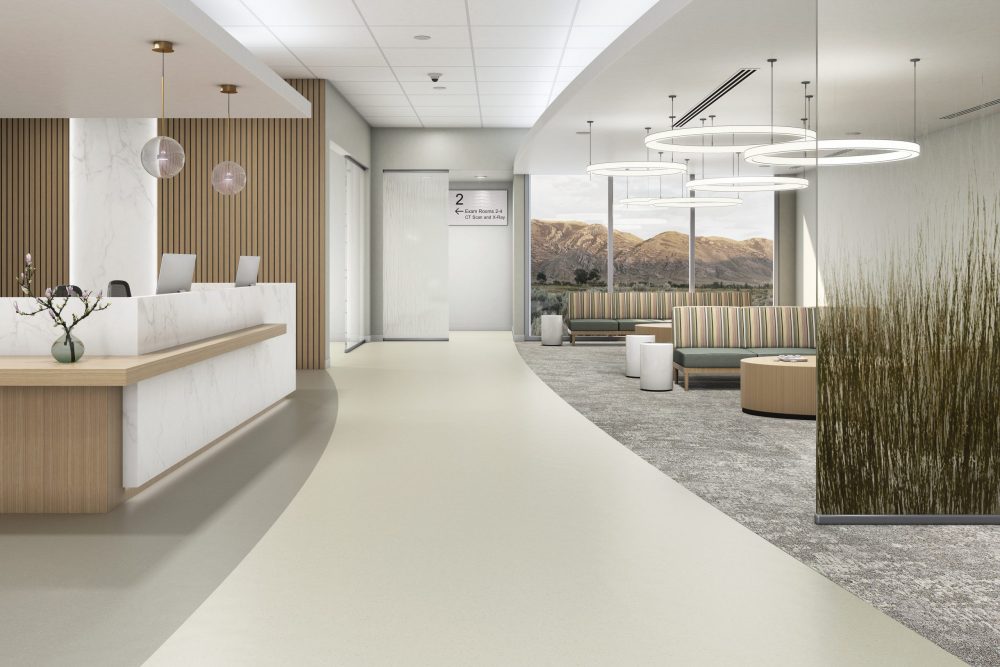
Interface Flooring offers carbon-neutral carpet tiles that lead in sustainable flooring innovation. Each product line is designed to minimize waste and reduce the building’s carbon footprint.
Information:
Interface uses recycled nylon and bio-based materials in its carpets. Their manufacturing process offsets carbon emissions, contributing to a net-zero environmental impact.
Benefits:
- 100% carbon neutral across all product lines.
- Durable and easy to maintain.
- Enhances sustainability credentials for any project.
Use Case:
Ideal for eco-conscious developers and businesses seeking high-performance flooring with a positive environmental impact.
Where to Buy:
Buy Interface Flooring
Kohler WaterSense Faucets
Kohler WaterSense Faucets are a benchmark for water efficiency in sustainable design. These fixtures maintain strong water flow while saving up to 30% more water than traditional models.
Information:
Certified by the U.S. Environmental Protection Agency’s WaterSense program, these faucets combine elegant design with eco-friendly functionality.
Benefits:
- Saves water and reduces utility bills.
- Provides reliable performance and long-lasting quality.
- Stylish design fits modern bathrooms and kitchens.
Use Case:
Ideal for sustainable home renovation projects aiming to achieve green building certification.
Where to Buy:
Buy Kohler WaterSense Faucets
Implementing Sustainable Building Design Technologies
Smart Energy Management
Integrating smart technologies like energy monitoring systems, motion sensors, and automated HVAC controls allows buildings to self-regulate energy use. These systems ensure efficiency while maintaining comfort levels.
Material Innovation
Sustainable construction materials, such as recycled concrete, cross-laminated timber, and bio-composite insulation, reduce waste and energy consumption during manufacturing and installation.
Renewable Integration
Combining solar panels, wind turbines, and energy storage solutions allows buildings to operate independently of the grid. This makes structures resilient to power outages and reduces reliance on non-renewable sources.
Why People Should Invest in Sustainable Building Design
The growing demand for sustainable living and working spaces is reshaping the construction industry. Property investors, businesses, and homeowners are realizing that sustainability drives long-term value.
By adopting sustainable building design, users not only reduce their operational costs but also contribute to global environmental goals. Sustainable buildings also command higher resale values and attract eco-conscious tenants and customers.
Frequently Asked Questions (FAQ)
1. What makes a building design sustainable?
A: A sustainable building design minimizes environmental impact by using renewable energy, eco-friendly materials, and efficient systems throughout its life cycle.
2. Are green buildings more expensive to construct?
A: While the upfront costs can be slightly higher, sustainable buildings offer long-term savings through lower energy, maintenance, and water costs.
3. Can sustainable technologies be added to existing buildings?
A: Yes, retrofitting existing structures with energy-efficient systems and sustainable materials can significantly improve performance and reduce environmental impact.
Conclusion
Sustainable building design is revolutionizing the future of construction. By combining renewable technologies, smart systems, and eco-friendly materials, we can build structures that benefit people, the planet, and the economy. Investing in sustainability today ensures a cleaner, healthier, and more efficient tomorrow.