Sustainable Design Architecture: Top Technologies, Green Materials, and Smart Building Products for 2025
Sustainable design architecture focuses on creating buildings that minimize environmental impact while maximizing energy efficiency and human comfort. This design philosophy combines modern innovation with eco-friendly materials and renewable energy systems. The objective is to balance architectural beauty, environmental responsibility, and long-term economic performance.
The sustainable approach integrates the full lifecycle of a building from planning and design to construction, operation, and deconstruction. By incorporating renewable materials, low-energy systems, and smart technologies, architects create structures that are both efficient and inspiring.
The Importance of Sustainable Architecture in Modern Construction
In 2025, sustainable architecture will have become a global necessity. Rapid urbanization and climate challenges are driving demand for eco-friendly construction methods. Architects and developers are now expected to design buildings that are energy-efficient, resource-conscious, and environmentally restorative.
Sustainable design architecture also meets growing government regulations and green certifications like LEED and BREEAM, which are now key performance benchmarks for new developments.
Benefits of Sustainable Design Architecture
Environmental Sustainability
Sustainable architecture significantly reduces greenhouse gas emissions and pollution. By using renewable resources and advanced design principles, these buildings minimize waste and energy consumption, contributing to a cleaner planet.
Economic Advantages
While the upfront cost of sustainable buildings may be higher, their long-term benefits include reduced energy bills, lower maintenance costs, and potential government incentives. Sustainable architecture is an investment that delivers consistent financial returns over time.
Enhanced Human Well-being
Green buildings improve air quality, provide natural lighting, and regulate temperature naturally. This creates healthier, more productive environments for occupants, reducing stress and enhancing comfort.
Real-World Sustainable Architecture Products Transforming 2025
Tesla Solar Roof

The Tesla Solar Roof revolutionizes sustainable design architecture by integrating energy generation directly into the building’s structure. It replaces traditional roofing with solar glass tiles capable of producing clean electricity.
Information:
Each solar tile is crafted from high-strength tempered glass, offering both durability and sleek aesthetics. It seamlessly powers homes using sunlight while maintaining architectural beauty.
Benefits:
- Converts sunlight into renewable energy efficiently.
- Lowers electricity bills by reducing grid dependency.
- Provides weather resistance and a 25-year performance guarantee.
Use Case:
Ideal for sustainable homes and commercial buildings seeking self-sufficiency and long-term energy savings.
Where to Buy:
Buy Tesla Solar Roof
Saint-Gobain SageGlass Smart Windows
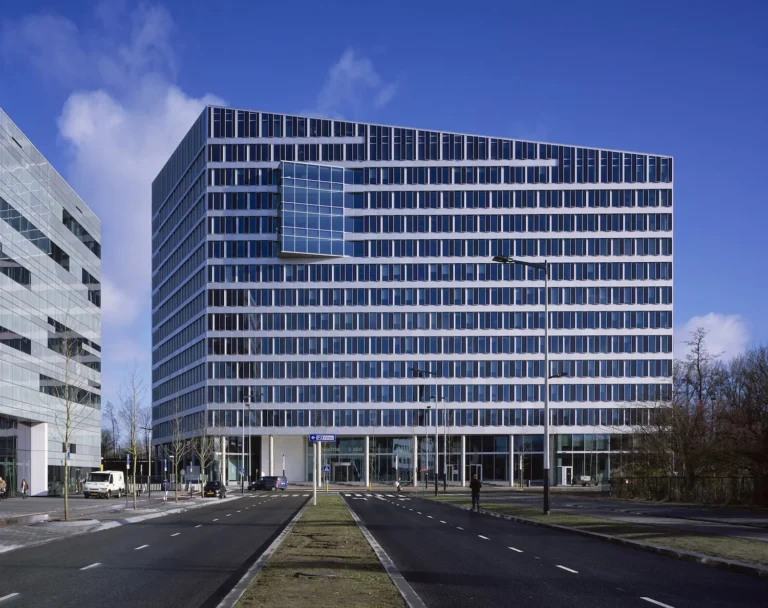
The Saint-Gobain SageGlass introduces dynamic glass technology that adjusts tint automatically to optimize daylight, temperature, and comfort levels.
Information:
SageGlass uses electrochromic coatings to control light transmission, reducing the need for blinds or air conditioning. It contributes to energy efficiency and enhances occupant comfort by minimizing glare and solar heat gain.
Benefits:
- Reduces HVAC energy consumption by up to 20%.
- Enhances natural daylight and comfort.
- Promotes modern, minimalist architectural aesthetics.
Use Case:
Ideal for office towers, educational institutions, and luxury residences where energy efficiency and occupant well-being are top priorities.
Where to Buy:
Buy Saint-Gobain SageGlass
Interface Carbon Neutral Carpet Tiles
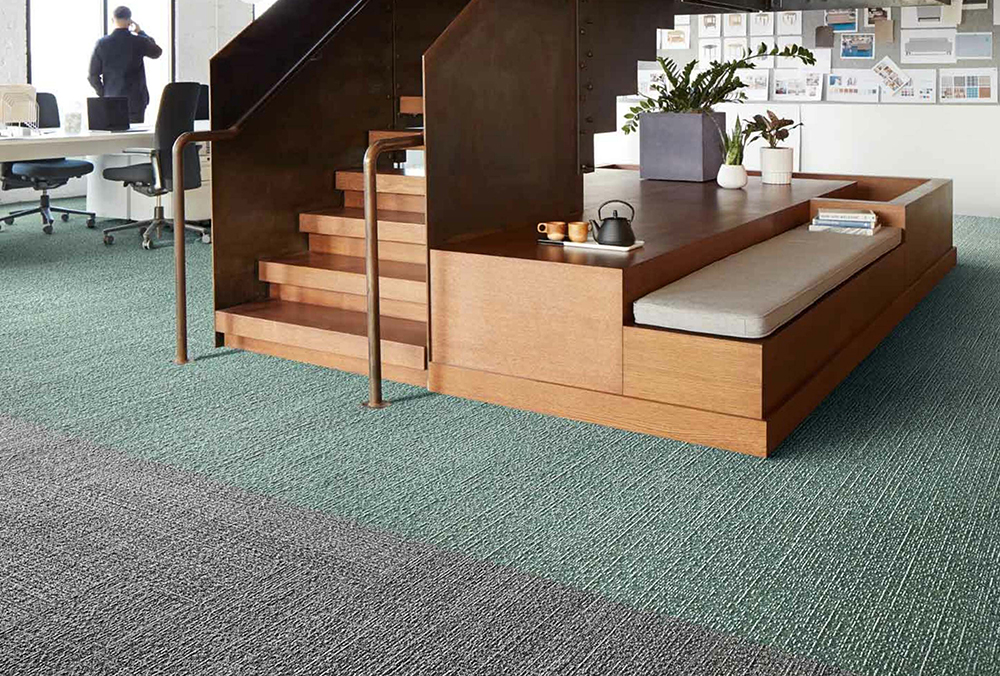
Interface Carpet Tiles lead in sustainable flooring innovation. Every tile is designed with recycled materials and carbon-neutral production methods, reducing the environmental footprint of interior design.
Information:
Interface’s manufacturing process uses bio-based materials and renewable energy sources, ensuring each tile contributes to carbon neutrality. Their modular format simplifies installation and replacement.
Benefits:
- 100% carbon-neutral across all products.
- Durable and easy to maintain.
- Available in a wide range of modern designs.
Use Case:
Perfect for commercial and corporate environments, prioritizing eco-friendly interiors and low maintenance.
Where to Buy:
Buy Interface Carpet Tiles
LG Therma V Air-to-Water Heat Pump
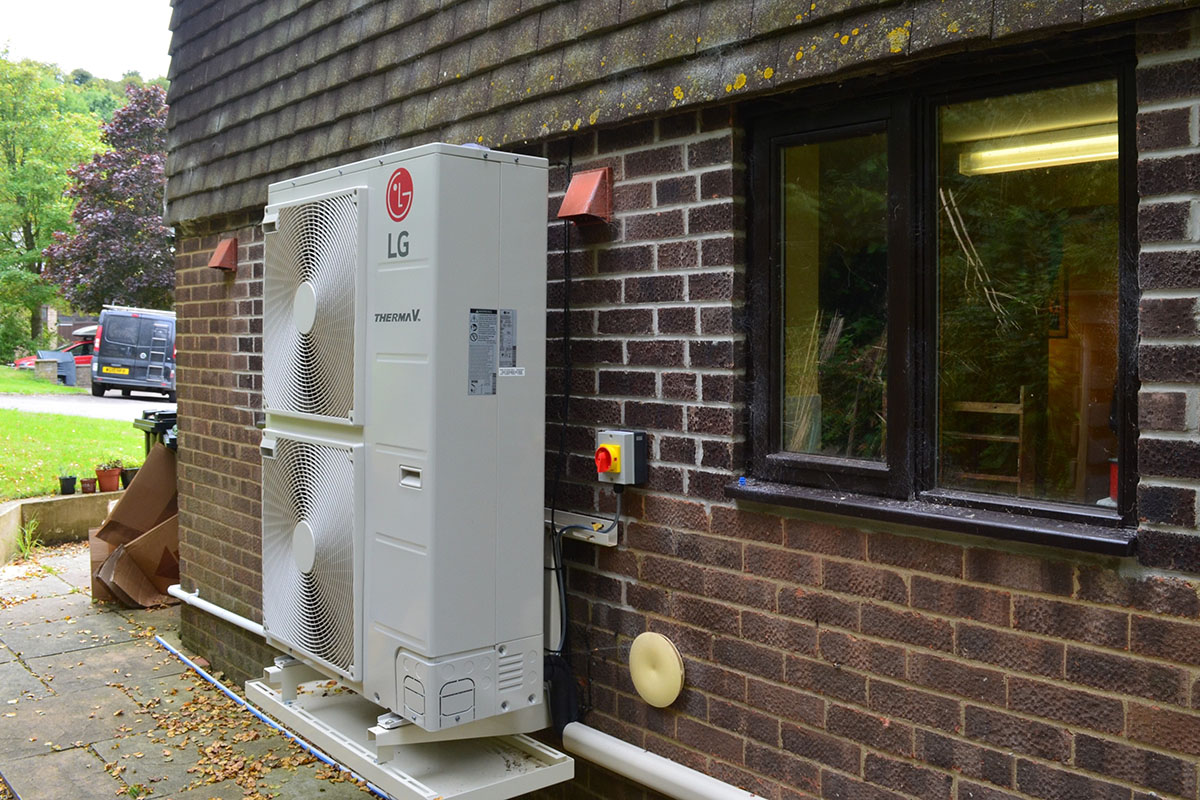
The LG Therma V Heat Pump is an advanced HVAC system that draws renewable heat energy from the air to provide heating, cooling, and hot water.
Information:
Using inverter technology, it operates with high efficiency and minimal energy waste. The system adapts to varying building sizes, climates, and energy requirements.
Benefits:
- Up to 400% more efficient than traditional boilers.
- Reduces CO₂ emissions and energy costs.
- Integrates easily with solar systems and smart building management tools.
Use Case:
Ideal for both residential and commercial properties, aiming for energy independence.
Where to Buy:
Buy LG Therma V Heat Pump
Kohler WaterSense Faucets
The Kohler WaterSense Faucets bring sustainability to interior architecture by conserving water without compromising performance or style.
Information:
Certified under the EPA’s WaterSense program, these faucets reduce water flow by up to 30% while maintaining strong pressure and elegant aesthetics.
Benefits:
- Saves thousands of liters of water annually.
- Offers durable materials and modern designs.
- Enhances sustainability credentials for green-certified buildings.
Use Case:
Perfect for eco-conscious homeowners and developers who want to meet green building standards.
Where to Buy:
Buy Kohler WaterSense Faucets
Integrating Sustainable Design Architecture in Practice
Smart Energy Systems
Modern architecture incorporates smart grids, solar batteries, and automated energy management systems. These technologies allow buildings to adjust lighting, heating, and cooling based on occupancy, ensuring optimal performance.
Sustainable Materials
Using locally sourced, recycled, and renewable materials such as bamboo, reclaimed wood, and bio-concrete minimizes waste and supports a circular economy.
Water and Waste Efficiency
Green plumbing, rainwater harvesting, and composting systems reduce freshwater usage and manage waste sustainably. These systems are essential in meeting global sustainability goals.
Why People Should Invest in Sustainable Design Architecture
Sustainable architecture is the future of construction. Beyond environmental responsibility, it provides financial, health, and aesthetic benefits. Investors and homeowners are increasingly choosing green buildings for their high resale value and long-term cost efficiency.
As awareness of climate change grows, sustainable architecture has become a defining factor in modern urban development—one that prioritizes both innovation and responsibility.
Frequently Asked Questions (FAQ)
1. What defines sustainable design architecture?
A: It’s an architectural approach that minimizes environmental impact through energy efficiency, sustainable materials, and innovative technologies while maintaining aesthetic appeal.
2. Are sustainable buildings more expensive to build?
A: Initially, they may cost more, but their long-term savings in energy, maintenance, and health benefits outweigh initial expenses.
3. Can existing buildings be converted into sustainable ones?
A: Yes, through retrofitting with smart technologies, renewable energy systems, and sustainable materials, older buildings can become energy-efficient and environmentally friendly.
Conclusion
Sustainable design architecture is redefining the construction industry. By embracing renewable technologies, innovative materials, and intelligent design strategies, architects are creating buildings that harmonize with the environment. Investing in sustainability today means ensuring a greener, more resilient, and more prosperous future for generations to come.