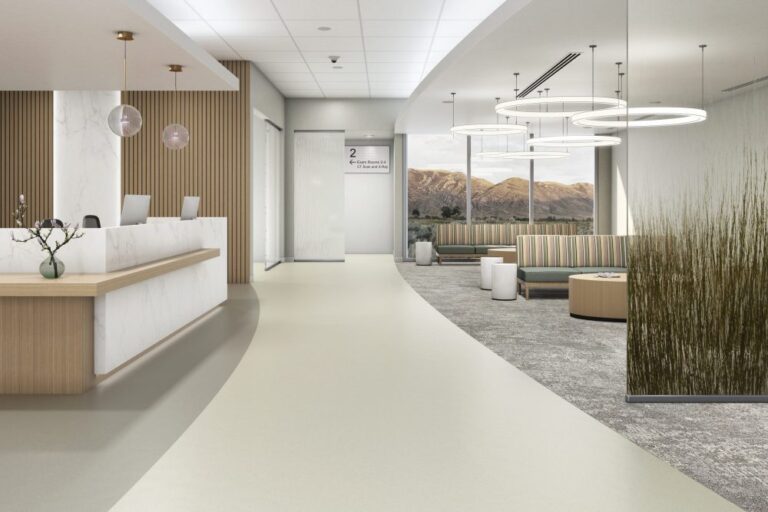
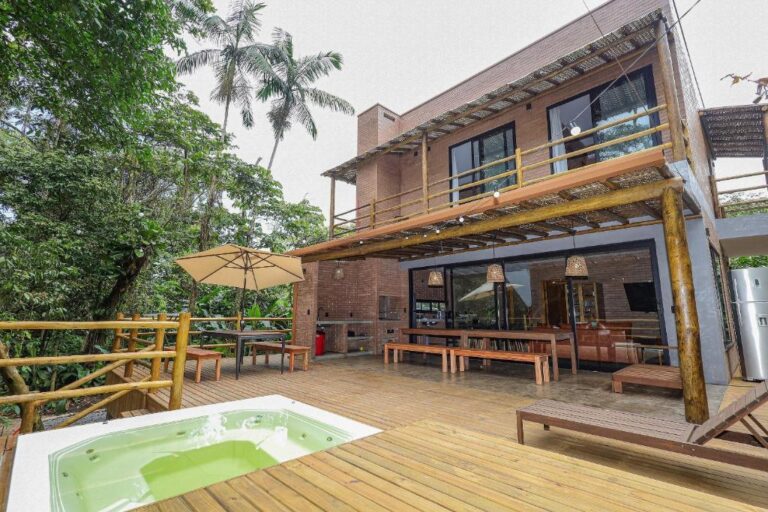
Sustainable Design Architecture: Innovative Green Solutions for Modern Buildings
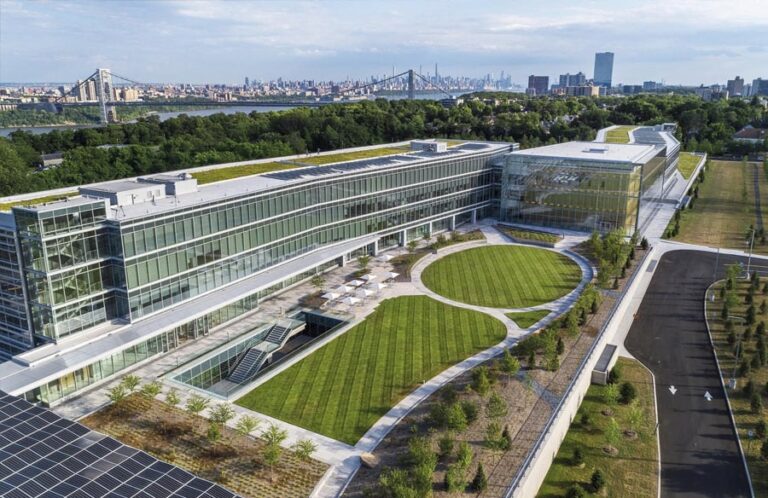
Sustainable design architecture has become a defining standard in modern construction, integrating energy efficiency, renewable resources, and minimal environmental impact into every phase of design and building. As awareness of climate change and resource scarcity grows, the demand for sustainable architectural solutions has never been higher. The top transactional keyword for this topic is “green building materials.”
Understanding Sustainable Design Architecture
Sustainable design architecture focuses on reducing the ecological footprint of buildings through responsible material selection, energy efficiency, and renewable technologies. The goal is to create structures that harmonize with the environment while providing long-term economic and health benefits.
Core Principles of Sustainable Architecture
Sustainable architecture revolves around several guiding principles: resource efficiency, renewable energy integration, waste reduction, and occupant wellness. Architects today aim to design buildings that not only meet human needs but also regenerate natural systems by utilizing sustainable technologies such as solar panels, passive ventilation, and rainwater harvesting.
Why Sustainable Architecture Matters
Implementing sustainable design goes beyond aesthetics; it’s about ensuring future generations have access to clean air, water, and energy. Green buildings can reduce operating costs by up to 30% and improve indoor air quality, creating healthier living and working environments.
Benefits of Sustainable Design Architecture
The benefits of sustainable architecture extend beyond energy savings. These designs promote social well-being, reduce waste, and lower long-term costs. Here are key advantages:
- Energy Efficiency: Sustainable buildings utilize renewable energy systems like solar or geothermal power to reduce reliance on fossil fuels.
- Cost Savings: Though the upfront cost may be higher, long-term energy and maintenance savings outweigh initial investments.
- Improved Health: Better air filtration, natural light, and non-toxic materials create healthier environments.
- Environmental Impact: Reduces carbon emissions and preserves ecosystems by using recycled or low-impact materials.
Innovative Products in Sustainable Design Architecture
Tesla Solar Roof
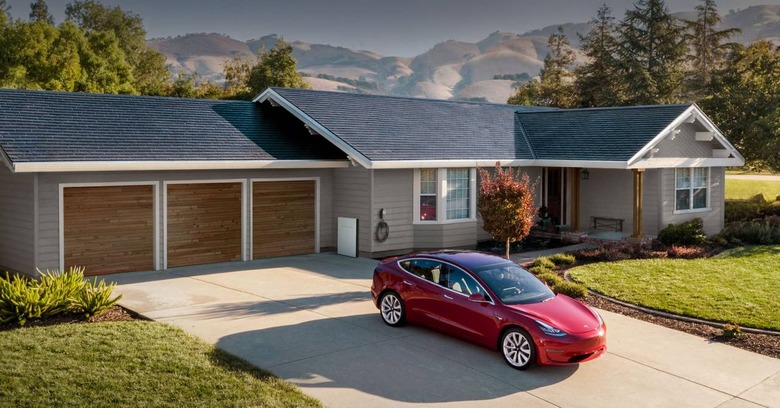
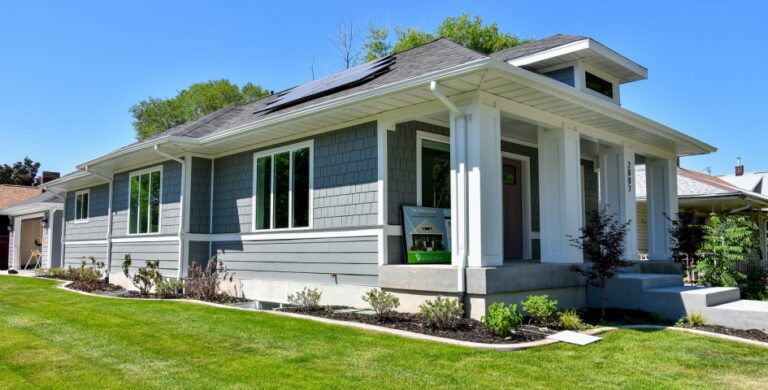
The Tesla Solar Roof integrates solar power into architectural design by replacing conventional roof tiles with photovoltaic ones. These tiles convert sunlight into energy while maintaining the aesthetic appeal of traditional roofing.
Use Case: Ideal for both residential and commercial projects aiming to achieve net-zero energy consumption. The product solves the problem of bulky, unattractive solar panels while offering durability and efficiency.
Where to Buy:
Buy Tesla Solar Roof
View Smart Glass

View Smart Glass is a revolutionary product that automatically adjusts its tint to control heat and glare. This helps maintain indoor comfort, reduces air conditioning use, and lowers energy consumption.
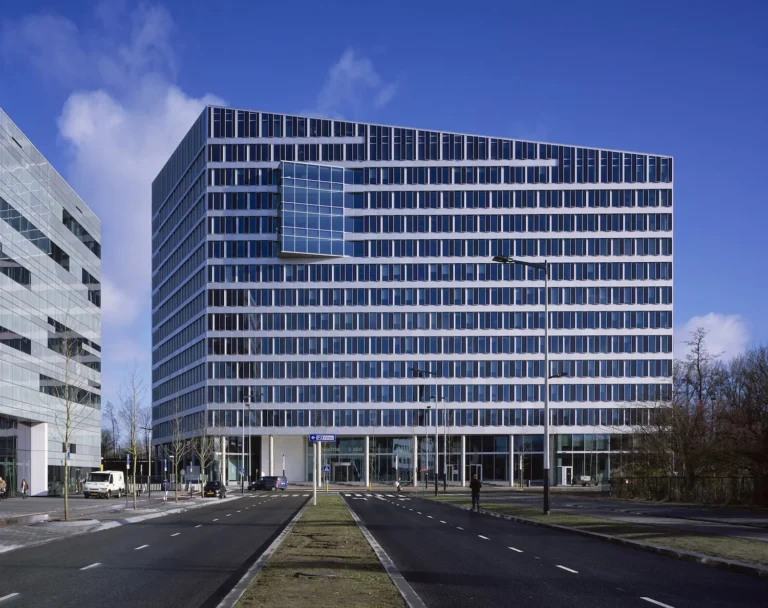
Use Case: Perfect for offices and high-rise buildings where large glass surfaces can lead to heat gain. The technology provides comfort, privacy, and sustainability.
Where to Buy:
Buy View Smart Glass
Knauf EcoBatt Insulation
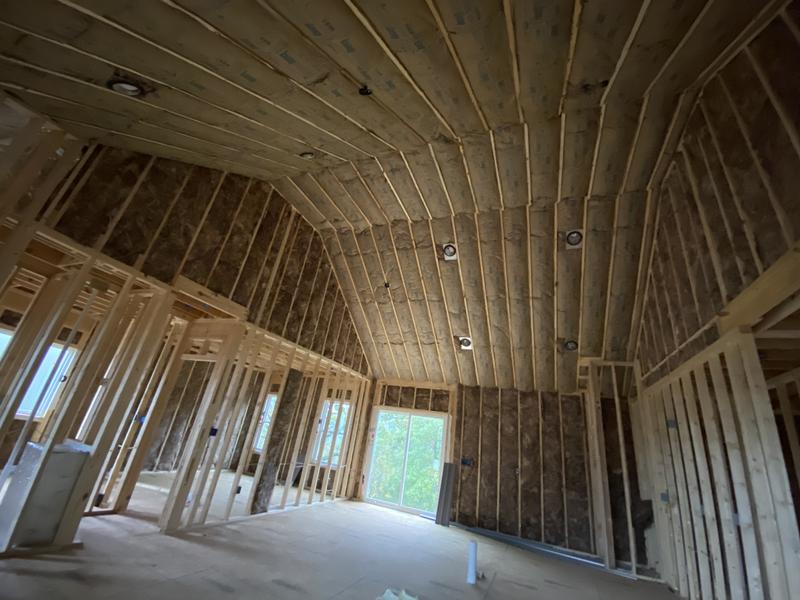
Knauf EcoBatt uses recycled glass and sustainable binding materials to create high-performance insulation. It offers excellent thermal control and indoor air quality improvement.
Use Case: Suitable for residential and commercial walls and ceilings. This insulation helps reduce energy bills and carbon emissions.
Where to Buy:
Buy Knauf EcoBatt Insulation
Urban Evolutions Reclaimed Wood
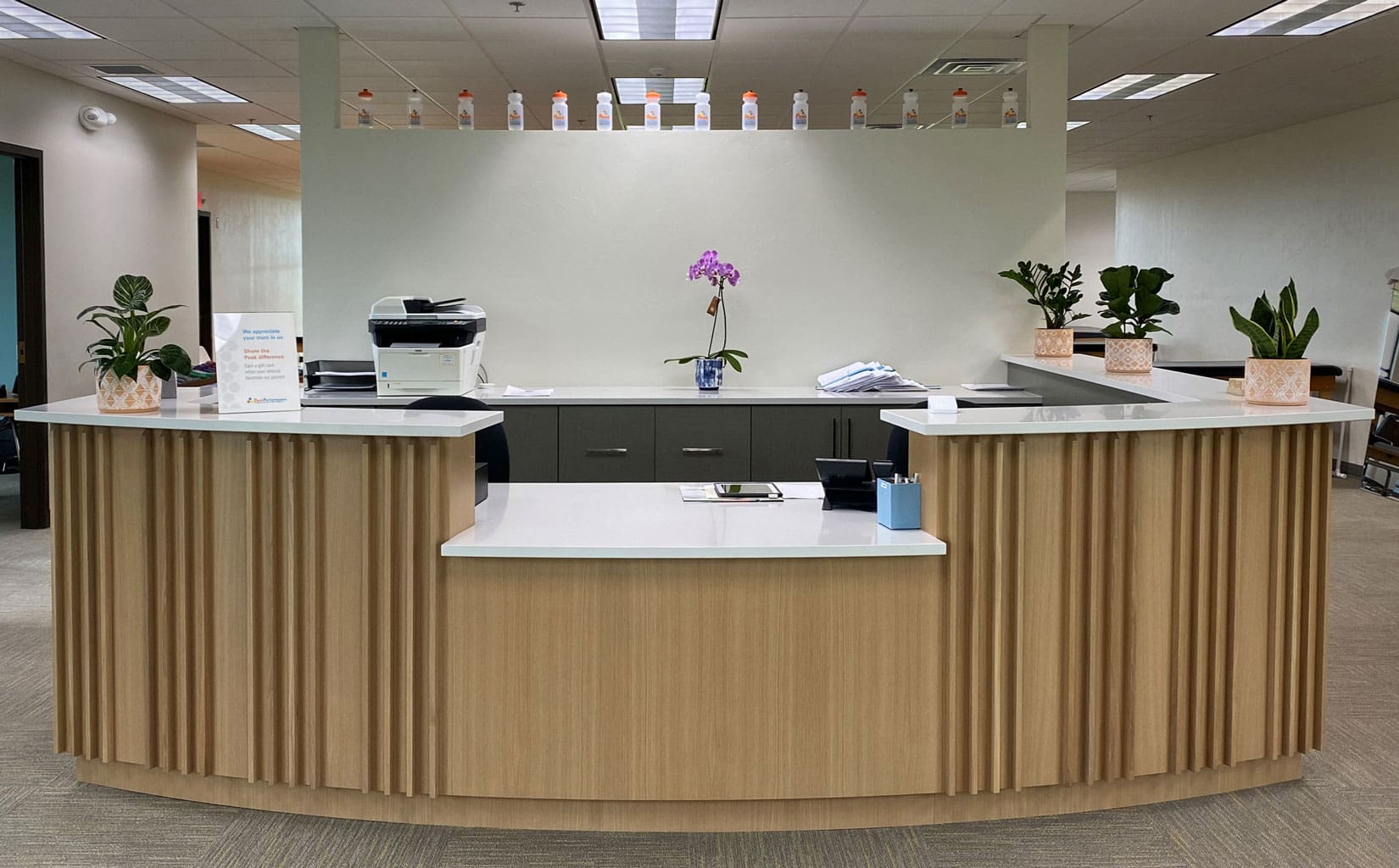
Urban Evolutions provides reclaimed wood products sourced from deconstructed buildings. Each piece carries a unique character, adding beauty and sustainability to architectural projects.
Use Case: Best for eco-friendly interior finishes, offering both aesthetic appeal and environmental responsibility.
Where to Buy:
Buy Urban Evolutions Reclaimed Wood
Daikin Smart HVAC Systems
Daikin’s smart HVAC systems optimize heating and cooling through intelligent sensors and automation, ensuring maximum comfort with minimal energy use.
Use Case: Ideal for large buildings that require consistent climate control without excessive power consumption.
Where to Buy:
Buy Daikin Smart HVAC Systems
How Technology Enhances Sustainable Architecture
Integration of Smart Systems
Modern sustainable architecture leverages IoT-based systems for energy monitoring, smart lighting, and predictive maintenance. These systems collect data to help building managers reduce waste and improve energy efficiency.
Material Innovation
Advancements in material science have produced self-healing concrete, 3D-printed structures, and algae-based biofacades. These innovations extend building lifespans while reducing environmental impact.
Why People Need Sustainable Design Architecture
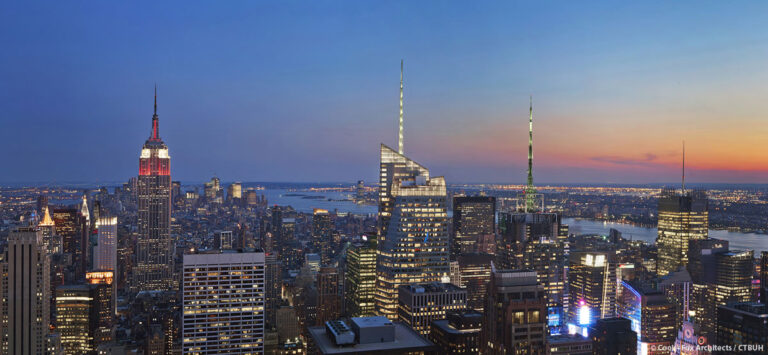
With urbanization accelerating, sustainable design architecture addresses pressing challenges such as energy shortages, pollution, and waste. By adopting green technologies and responsible materials, individuals and companies contribute to a healthier planet and lower operational costs.
Sustainable design not only benefits the environment but also enhances productivity, mental well-being, and long-term savings, making it essential for modern living.
How to Buy Sustainable Architecture Products
When purchasing sustainable building products, always look for certifications like LEED, ENERGY STAR, or Cradle to Cradle. These certifications verify that materials meet sustainability and performance standards.
Most sustainable architecture solutions are available through official manufacturer websites, specialized green retailers, or certified local distributors. Affiliate-style platforms and architectural supply stores also provide access to eco-friendly options with detailed performance data.
Frequently Asked Questions (FAQ)
1. What is the main goal of sustainable design architecture?
The goal is to minimize environmental impact by using energy-efficient systems, renewable materials, and intelligent design that enhances occupant well-being.
2. Are sustainable building materials more expensive?
Initially, they can cost more, but their long-term benefits in energy savings, durability, and maintenance make them more economical.
3. How can I make my home more sustainable?
Start with energy-efficient lighting, solar power integration, and eco-friendly insulation. Gradually adopt materials and technologies that reduce waste and carbon footprint.
Conclusion
Sustainable design architecture represents the future of construction where aesthetics, functionality, and environmental responsibility coexist. By investing in smart, sustainable materials and technologies, you not only create better spaces but also shape a healthier, more sustainable world.