Eco-Friendly Building Design: Sustainable Materials and Technologies for the Future
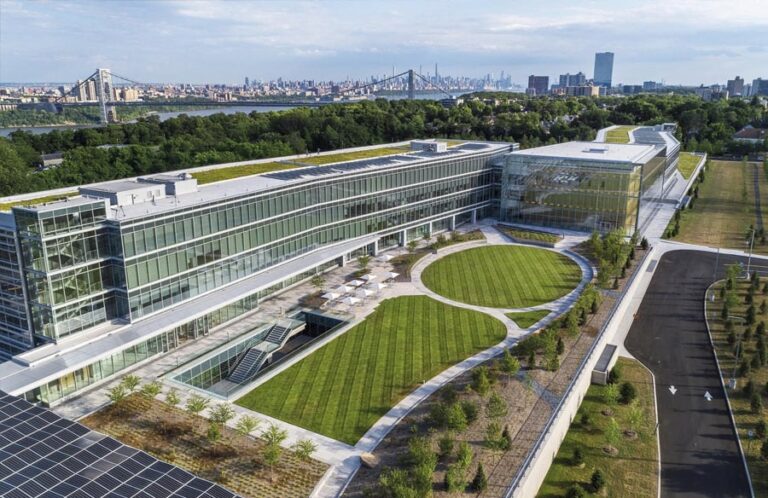
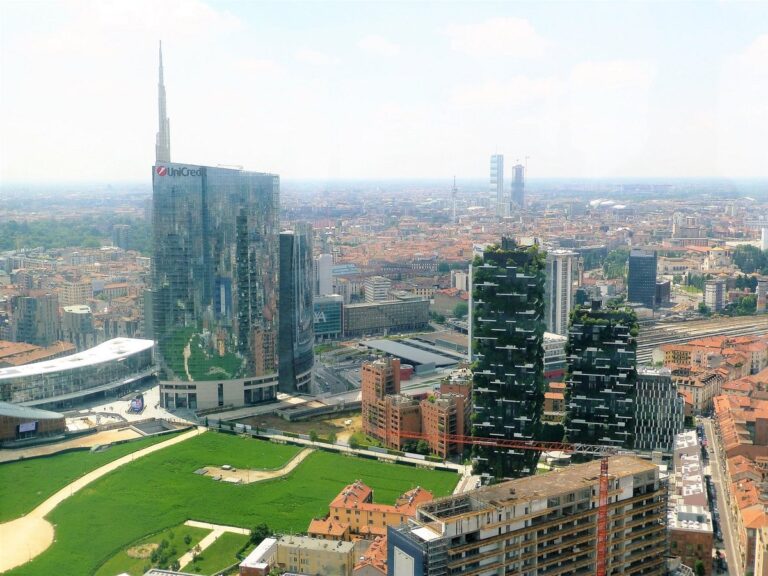
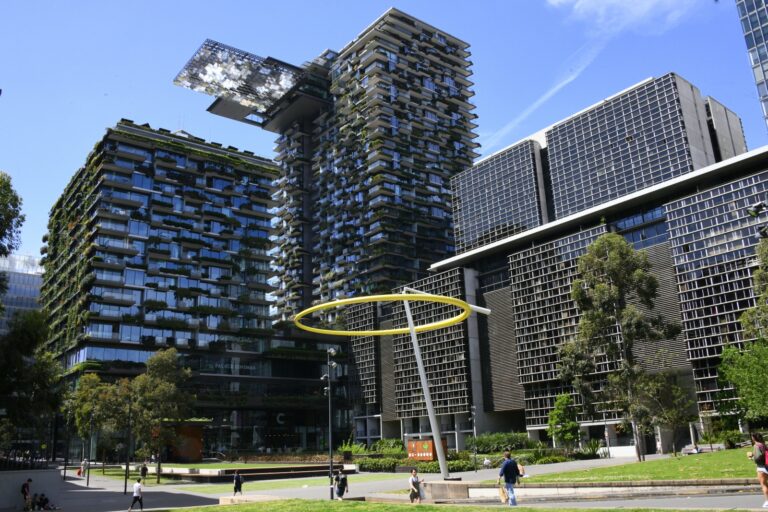
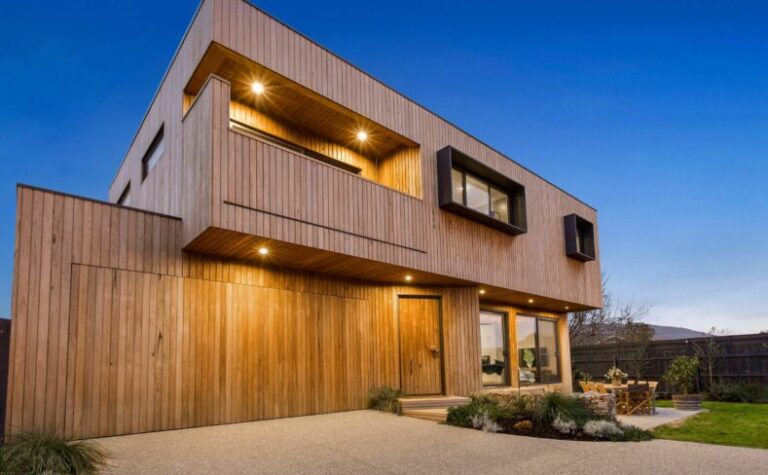
Eco-friendly building design is transforming how the world approaches architecture and construction. It integrates energy-efficient systems, renewable materials, and smart technologies to create buildings that are both beautiful and sustainable. The top transactional keyword for this article is “sustainable building materials.”
Understanding Eco-Friendly Building Design
Eco-friendly building design focuses on minimizing environmental impact throughout a building’s life cycle, from construction to operation and maintenance. It uses innovative methods and materials that reduce carbon emissions, improve air quality, and enhance energy performance.
Principles of Eco-Friendly Design
Key principles include energy efficiency, sustainable material use, and waste reduction. These principles ensure that each building promotes environmental stewardship while maintaining comfort and functionality.
Why Eco-Friendly Design Matters
Buildings account for nearly 40% of global energy use. Eco-friendly designs help cut down that footprint, saving costs and preserving natural resources. Beyond energy savings, they also contribute to healthier indoor spaces that promote well-being.
Benefits of Eco-Friendly Building Design
Economic Advantages
While sustainable designs often have higher upfront costs, they deliver significant long-term savings through reduced energy consumption, lower maintenance expenses, and higher property values.
Environmental Benefits
Eco-friendly buildings decrease greenhouse gas emissions and conserve water and natural resources. They help restore ecological balance and promote biodiversity.
Social Benefits
Occupants of green buildings experience better air quality, natural light, and comfort, improving productivity and overall health.
Innovative Products in Eco-Friendly Building Design
SunPower Solar Panels
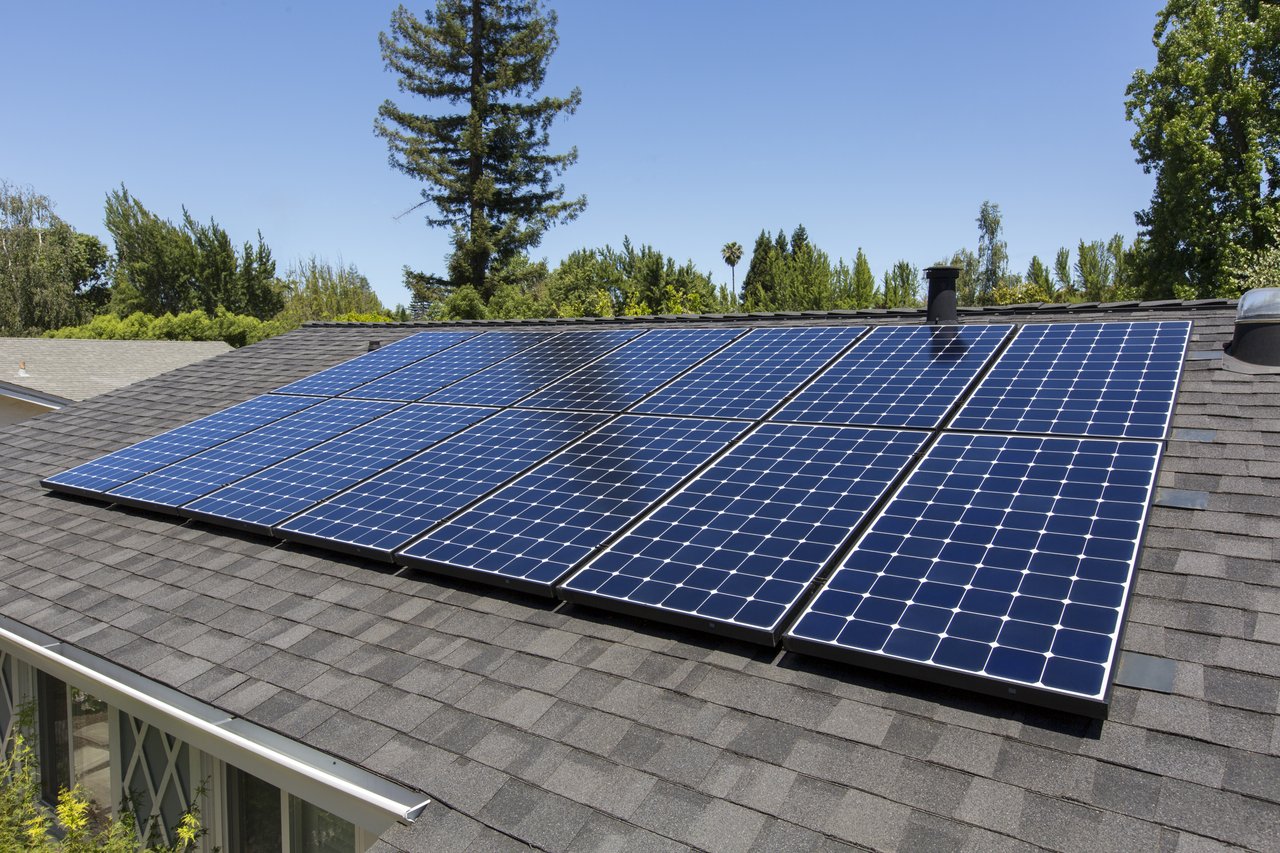
SunPower’s solar panels are among the most efficient in the world, converting sunlight into electricity with minimal energy loss. They are ideal for both residential and commercial eco-friendly designs.
Use Case: Buildings seeking to achieve net-zero energy use can install SunPower systems to generate renewable power. These panels help reduce dependency on fossil fuels and lower utility bills.
Where to Buy:
Buy SunPower Solar Panels
Google Nest Learning Thermostat
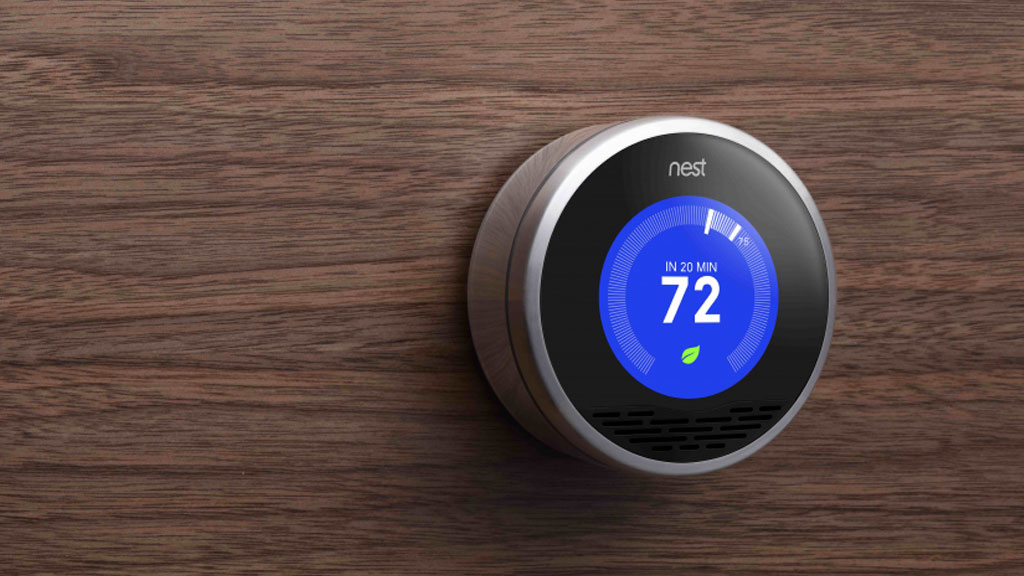
The Google Nest Learning Thermostat intelligently adjusts heating and cooling to user behavior, helping reduce unnecessary energy consumption.
Use Case: Ideal for smart homes and offices aiming to cut energy use by up to 15%. It learns occupant patterns and automates temperature control for optimal efficiency.
Where to Buy:
Buy Google Nest Thermostat
Owens Corning Thermafiber Insulation
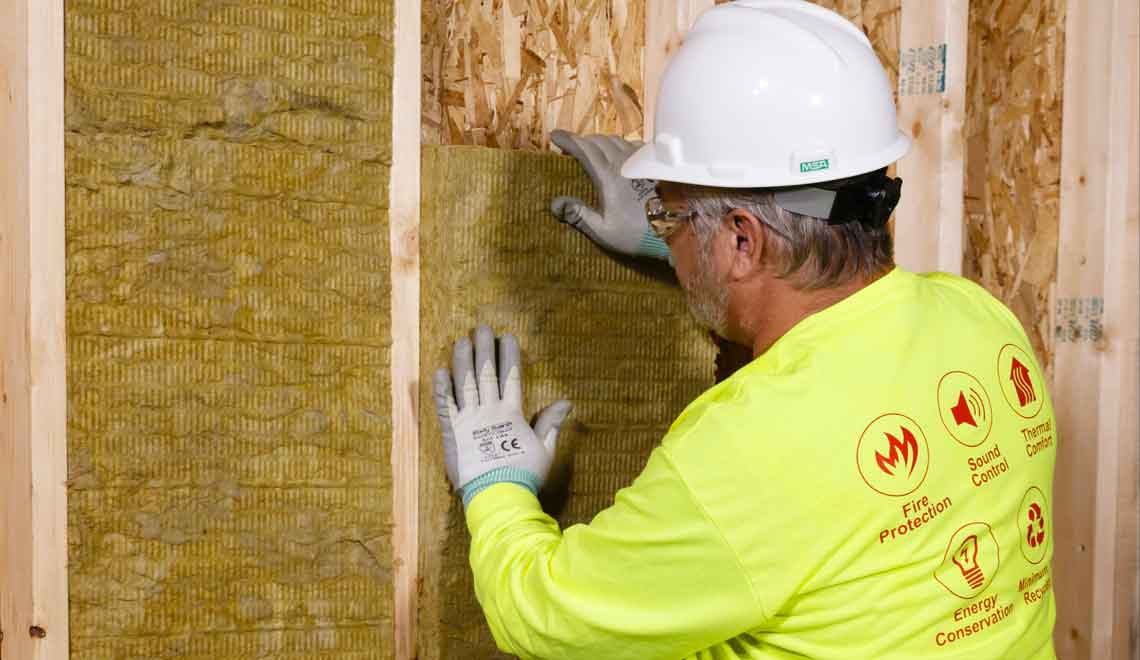
Owens Corning Thermafiber Insulation uses recycled content to improve energy performance and fire resistance. It’s perfect for both residential and commercial construction.
Use Case: Reduces heat transfer and energy waste, keeping indoor spaces comfortable year-round while lowering emissions.
Where to Buy:
Buy Owens Corning Insulation
Cali Bamboo Flooring
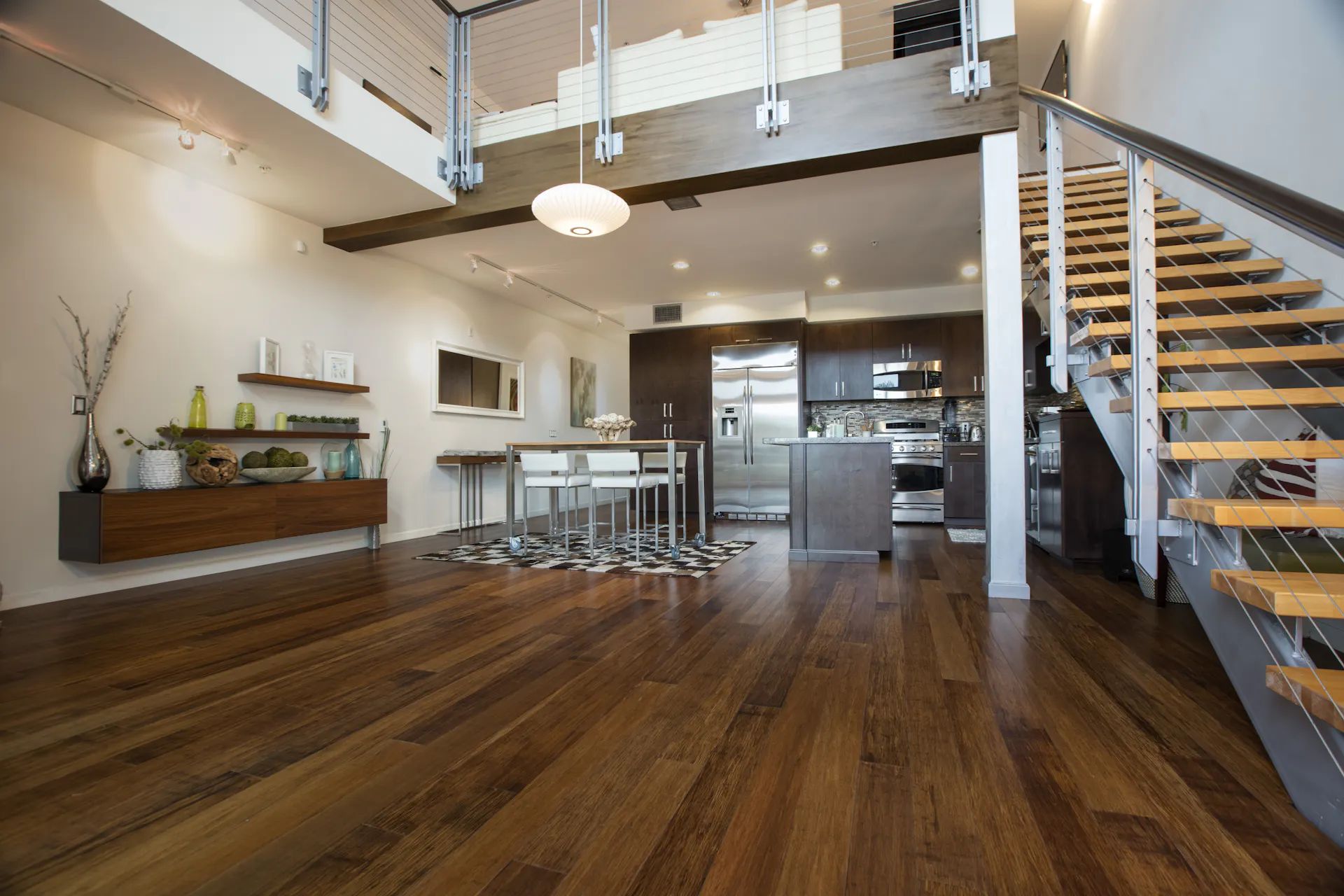
Cali Bamboo produces sustainable flooring made from rapidly renewable bamboo. It’s stronger than traditional hardwoods and adds natural elegance to interiors.
Use Case: Great for eco-conscious homeowners and designers seeking durable, stylish, and low-impact flooring materials.
Where to Buy:
Buy Cali Bamboo Flooring
RainHarvest Systems
RainHarvest provides systems designed to collect, filter, and store rainwater for non-potable uses such as irrigation or toilet flushing.
Use Case: Helps reduce water demand and utility costs while promoting sustainable water management in urban and rural areas.
Where to Buy:
Buy RainHarvest System
Technological Innovations in Eco-Friendly Design
Smart Energy Systems
IoT and AI technologies enable real-time energy monitoring, automatic adjustments, and predictive maintenance. Smart grids connect buildings to renewable sources efficiently, ensuring sustainability.
Sustainable Construction Materials
New materials such as self-healing concrete, hempcrete, and recycled steel are revolutionizing eco-friendly architecture. These innovations lower waste, improve insulation, and enhance durability.
Why People Need Eco-Friendly Building Design
Eco-friendly building design addresses global challenges like climate change, energy shortages, and waste management. By adopting sustainable materials and smart technologies, individuals and companies contribute to a cleaner, healthier planet.
These buildings not only conserve resources but also create spaces that inspire wellness and innovation—ideal for both living and working environments.
How to Buy Eco-Friendly Products
When choosing sustainable building products, verify certifications such as LEED, ENERGY STAR, or Green Seal. Purchase directly from manufacturers or certified retailers to ensure authenticity and quality.
Eco-friendly building materials are available online through trusted suppliers, green marketplaces, and official company websites. Many provide affiliate-style purchasing options for architects, contractors, and consumers.
Frequently Asked Questions (FAQ)
1. What defines an eco-friendly building design?
It’s a design approach that minimizes environmental impact through sustainable materials, energy-efficient systems, and responsible construction practices.
2. Are eco-friendly materials durable?
Yes, many eco-friendly materials like bamboo, recycled steel, and hempcrete are stronger and more resilient than conventional materials.
3. How can I start making my building eco-friendly?
Begin by improving insulation, switching to renewable energy, and using recycled or non-toxic building materials.
Conclusion
Eco-friendly building design is shaping the future of sustainable architecture. Through innovative technologies and green materials, it’s possible to build structures that respect the environment, promote health, and deliver long-term value. Whether you’re designing a home or a commercial facility, adopting eco-friendly principles is the smartest investment for the planet and your future.