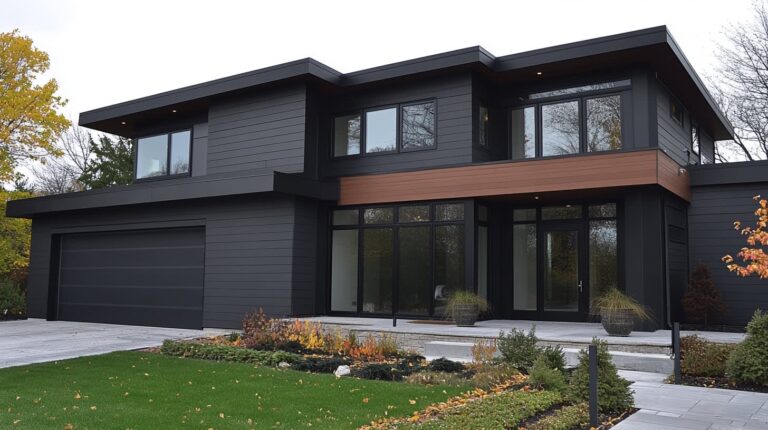
Sustainable Residential Building: Eco-Friendly Living for the Future
Sustainable residential building represents a significant shift in how we design and construct homes for the future. By integrating eco-friendly materials, renewable energy sources, and intelligent technologies, these buildings minimize environmental impact while maximizing efficiency and comfort.
What Is a Sustainable Residential Building?
A sustainable residential building is designed to reduce environmental damage and promote long-term livability. It focuses on resource efficiency, energy conservation, and waste reduction throughout its lifecycle from construction to operation.
Core Principles of Sustainable Homes
The foundation of sustainable housing lies in using renewable energy (like solar and wind), natural ventilation, energy-efficient insulation, and recyclable materials. The goal is to build homes that harmonize with their surroundings while reducing their ecological footprint.
Why Sustainable Homes Are the Future
Growing concerns about climate change and energy consumption have accelerated the transition toward sustainable living. These homes not only lower carbon emissions but also provide better air quality, improved comfort, and significant cost savings over time.
Benefits of Sustainable Residential Buildings
Environmental Benefits
Sustainable residential buildings contribute to environmental preservation by lowering greenhouse gas emissions. Features like solar panels, rainwater harvesting systems, and energy-efficient HVAC reduce dependency on fossil fuels and preserve natural resources.
Economic Benefits
While sustainable homes may require a higher initial investment, they provide significant long-term savings. Lower utility bills, reduced maintenance costs, and potential tax incentives make them a wise financial decision.
Health and Lifestyle Benefits
Green buildings enhance living quality through improved air circulation, non-toxic building materials, and natural lighting. These aspects promote better physical and mental well-being for occupants.
Top 5 Real-World Examples of Sustainable Residential Buildings
Bosco Verticale, Milan
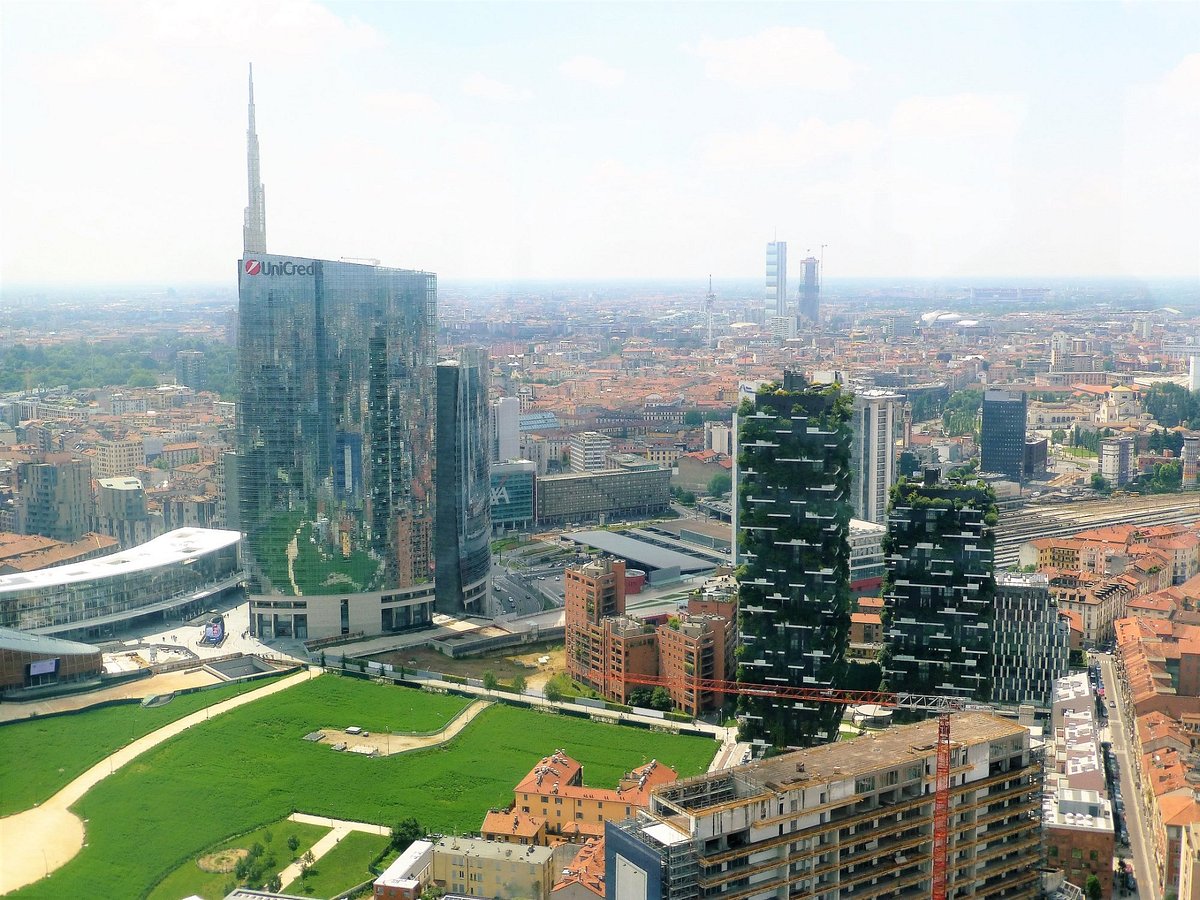
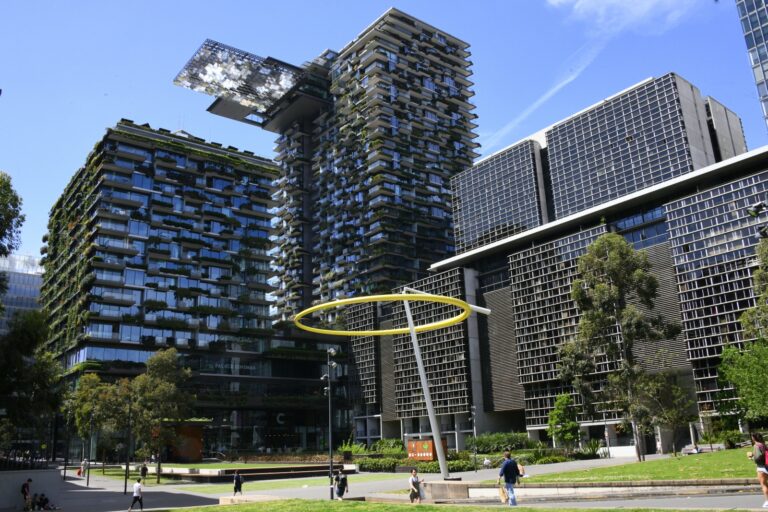
Bosco Verticale, also known as the Vertical Forest, is a pioneering example of green residential architecture. Its towers feature over 900 trees and thousands of plants, acting as a living ecosystem that filters air and reduces heat.
Benefits and Use Case:
This model demonstrates how integrating greenery into high-rise living can solve urban air pollution and temperature imbalance issues, promoting healthier city environments.
How to Buy and Where:
Learn more about sustainable living projects inspired by Bosco Verticale on official architecture and green building platforms.
BedZED, London

The Beddington Zero Energy Development (BedZED) is one of the UK’s most recognized eco-friendly communities. It was constructed using renewable materials and incorporates solar energy, water recycling, and efficient waste management systems.
Benefits and Use Case:
BedZED reduces energy consumption by nearly half compared to conventional homes. It addresses urban sustainability challenges and serves as a model for low-carbon community living.
How to Buy and Where:
Explore eco-friendly developments modeled after BedZED through sustainable housing networks.
Passivhaus, Germany
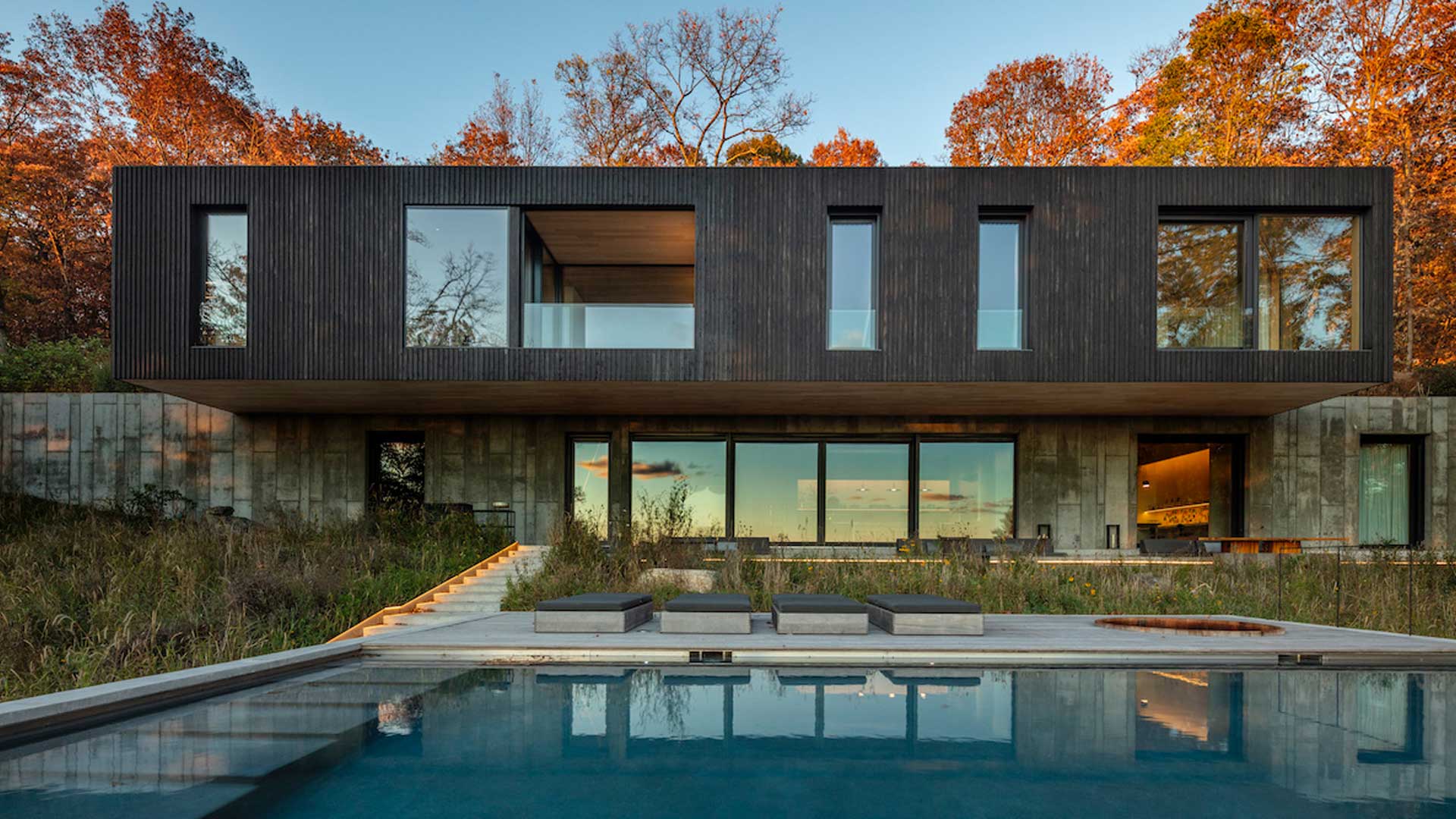
The Passivhaus standard emphasizes airtight construction, heat recovery systems, and optimal insulation. It ensures minimal energy usage for heating and cooling while maintaining comfort.
Benefits and Use Case:
Passivhaus reduces heating and cooling demand by up to 90%, addressing high energy costs and environmental degradation.
How to Buy and Where:
Search for certified Passivhaus builders and materials suppliers in your region for sustainable home construction.
Zero Home, Utah
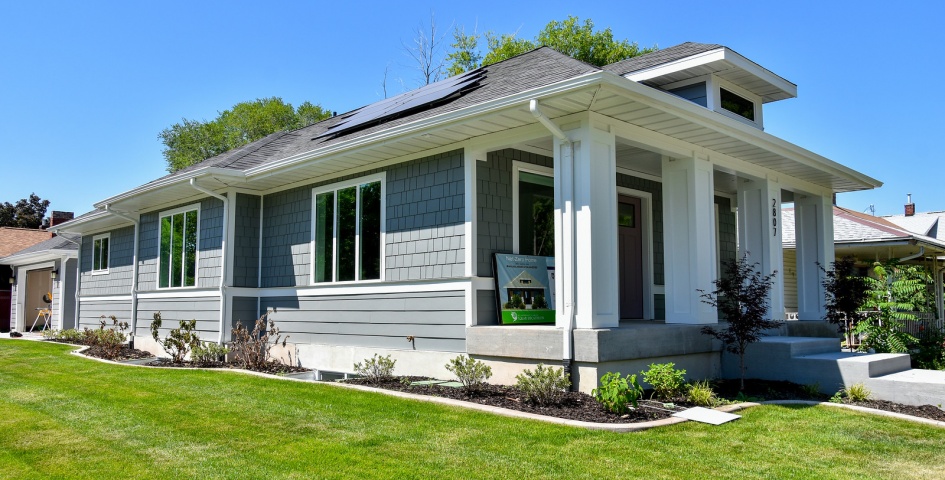
Zero Home is a net-zero energy project in the United States that generates as much energy as it consumes. It combines solar technology, smart thermostats, and insulated walls for optimal efficiency.
Benefits and Use Case:
This design offers complete energy independence, ideal for families seeking eco-friendly yet high-performance living spaces.
How to Buy and Where:
Find similar net-zero models from sustainable construction companies offering customized green homes.
Mindful Homes, USA
Mindful Homes manufactures prefabricated eco-houses using recycled steel, bamboo, and other sustainable materials. Each home is optimized for low waste and high durability.
Benefits and Use Case:
Their approach provides scalable, affordable housing solutions for eco-conscious buyers, solving the problem of high urban housing demand while maintaining sustainability.
How to Buy and Where:
Contact sustainable prefab housing providers that specialize in green building solutions for custom orders.
Building or Transitioning to a Sustainable Home
Choosing the Right Materials
Opting for bamboo, reclaimed wood, recycled metal, and eco-friendly concrete can drastically cut down construction waste. Using non-toxic paints and adhesives further enhances indoor air quality.
Implementing Green Technologies
Sustainable residential designs often include:
- Solar panels and home energy storage.
- Smart lighting and climate control systems.
- Greywater recycling and rainwater collection.
- Efficient HVAC and insulation systems.
These technologies collectively reduce energy consumption and improve living comfort.
How to Buy Sustainable Building Products
To start your sustainable home journey, explore eco-focused construction material suppliers, renewable energy providers, and smart home technology distributors available globally.
- EcoBuilding Products – for certified sustainable materials.
- Green Home Systems – for renewable power installations.
- Sustainable Supply – for eco-friendly hardware and supplies.
Frequently Asked Questions
1. What are the cost advantages of sustainable homes?
They significantly reduce energy bills and maintenance expenses, offering long-term savings despite higher upfront costs.
2. Can existing homes be made sustainable?
Yes. Retrofitting existing properties with solar panels, insulation, and smart technologies can transform them into eco-efficient homes.
3. Are sustainable residential buildings suitable for all climates?
Absolutely. Green design principles can be adapted for tropical, temperate, and cold climates using appropriate materials and technologies.