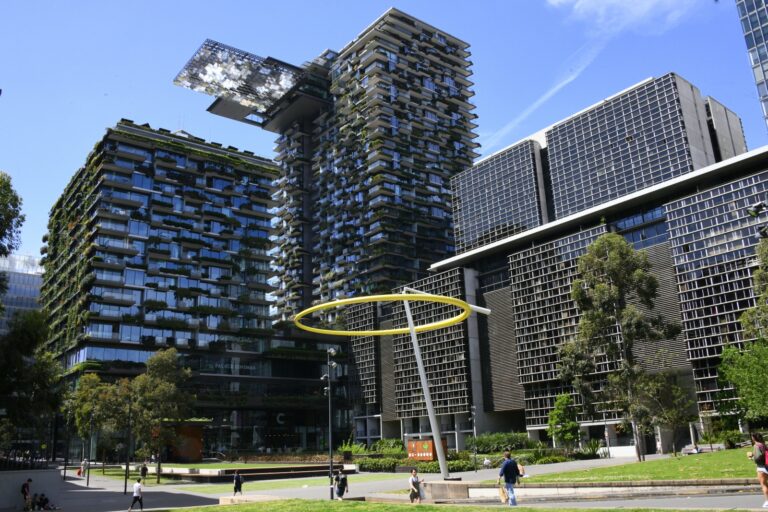
Sustainable Building Materials in Architecture: Modern Solutions for Eco-Friendly Design
Sustainable building materials have become the cornerstone of modern architecture. They embody innovation, environmental consciousness, and performance efficiency, bridging the gap between design excellence and ecological responsibility. Architects, developers, and homeowners alike are adopting eco-friendly materials that minimize environmental impact while enhancing comfort, resilience, and long-term value.
What Are Sustainable Building Materials?
Sustainable building materials are those produced, used, and maintained with minimal environmental impact throughout their lifecycle. They are renewable, energy-efficient, and often sourced locally to reduce carbon emissions. Common examples include bamboo, recycled steel, reclaimed wood, rammed earth, and low-carbon concrete.
The Role of Sustainability in Modern Architecture
Sustainability in architecture focuses on reducing energy consumption, minimizing waste, and maximizing natural resources. Buildings designed with sustainable materials are not only environmentally responsible but also healthier for occupants. Natural light optimization, thermal efficiency, and non-toxic materials are now essential in modern building standards.
Benefits of Sustainable Building Materials
Enhanced Energy Efficiency
Using sustainable materials improves insulation, reduces reliance on artificial heating and cooling, and cuts energy costs. For example, green insulation materials like hempcrete or recycled cellulose provide superior thermal performance compared to traditional insulation.
Longevity and Durability
Many eco-friendly materials, such as bamboo and rammed earth, are known for their incredible strength and longevity. Their durability translates into fewer repairs, replacements, and waste.
Reduced Environmental Footprint
Sustainable materials minimize resource depletion and reduce carbon emissions. By opting for renewable or recycled resources, architects can help slow climate change and preserve ecosystems.
Healthier Indoor Environments
Low-VOC paints, natural fibers, and breathable materials improve indoor air quality, reducing health risks associated with chemical exposure.
Top 5 Real-World Examples of Sustainable Building Materials
1. Bamboo: The Renewable Powerhouse
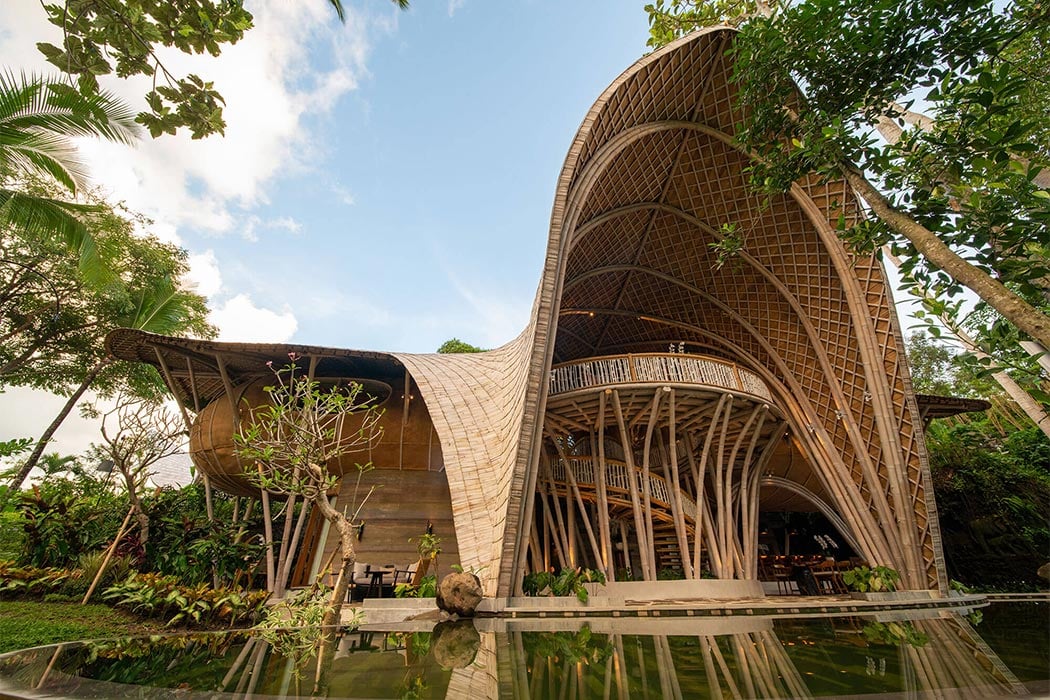
Bamboo is one of the fastest-growing and most renewable materials in the world. Its tensile strength rivals steel, making it ideal for flooring, structural framing, and decorative finishes.
Bamboo is popular in sustainable residential and commercial architecture due to its carbon sequestration capabilities. It absorbs CO₂ during growth, helping offset emissions from construction.
Use Case: Bamboo flooring and cladding offer durability and aesthetics, ideal for eco-conscious homeowners seeking natural appeal.
Buy Now: Buy Bamboo Flooring
2. Recycled Steel: Strength and Sustainability Combined
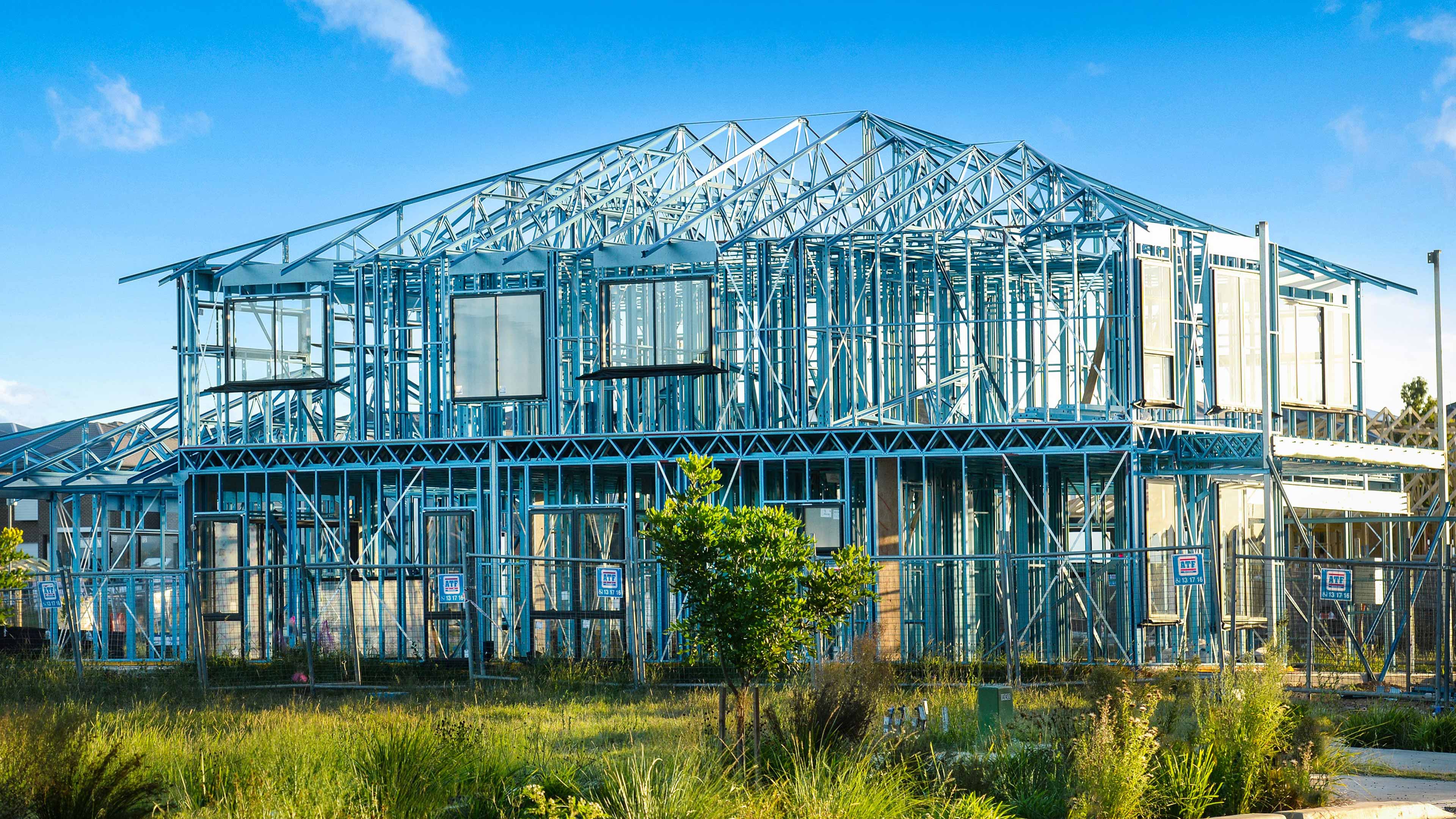
Recycled steel is a leading sustainable building material due to its reusability and strength. It reduces the need for virgin ore extraction and lowers construction waste.
Steel can be endlessly recycled without losing its properties, making it a circular material for modern architecture.
Use Case: Ideal for framing, roofing, and reinforcement, recycled steel provides structural integrity with a smaller carbon footprint.
Buy Now: Buy Recycled Steel
3. Rammed Earth: A Natural Insulator
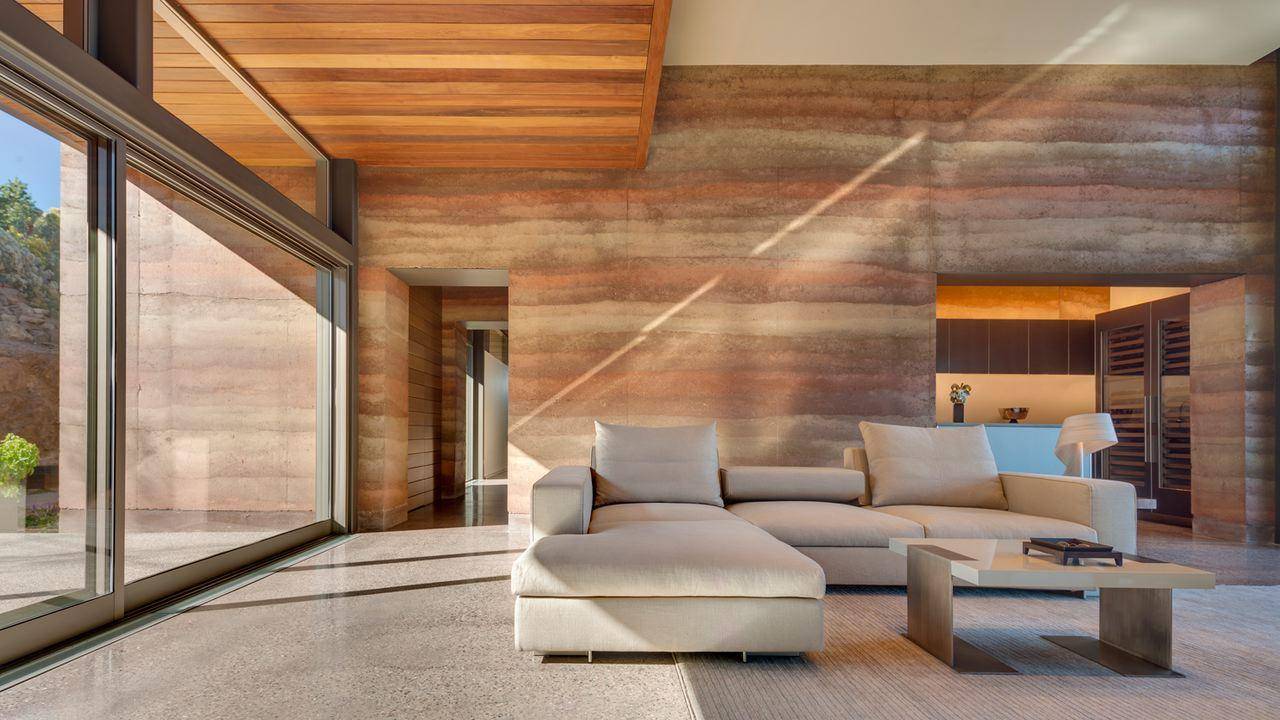
Rammed earth uses compacted soil to create walls with natural thermal mass, regulating indoor temperatures and reducing HVAC demands.
It offers an earthy aesthetic and long-lasting durability, often lasting centuries with minimal maintenance.
Use Case: Perfect for eco-houses and off-grid projects where energy independence is key.
Buy Now: Explore Rammed Earth Construction
4. Reclaimed Wood: Character Meets Sustainability
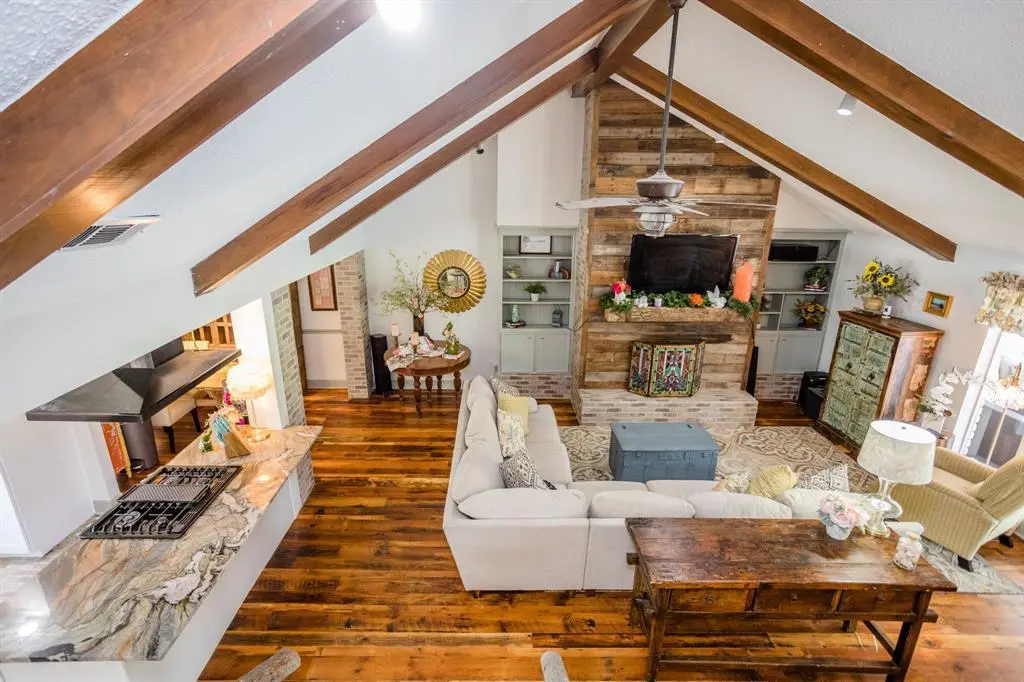
Reclaimed wood gives old timber a new life, reducing deforestation and landfill waste. It’s often sourced from old barns, factories, or demolished structures.
Beyond its sustainability, reclaimed wood adds warmth and character that new materials can’t replicate.
Use Case: Ideal for flooring, beams, and wall accents in rustic or modern interiors.
Buy Now: Shop Reclaimed Wood
5. Low-Carbon Concrete: The Future of Green Construction
Traditional concrete production accounts for nearly 8% of global CO₂ emissions. Low-carbon concrete replaces a portion of cement with fly ash, slag, or calcined clay, significantly cutting emissions.
Modern low-carbon concrete performs as well—or better—than traditional mixtures while aligning with global sustainability targets.
Use Case: Suitable for residential, commercial, and infrastructure projects where reducing embodied carbon is critical.
Buy Now: Buy Low-Carbon Concrete
The Future of Sustainable Architecture
Sustainable architecture continues to evolve with innovations like biophilic design, modular construction, and energy-positive homes. The future of building lies in materials that are not only sustainable but regenerative—restoring rather than merely reducing environmental harm.
Smart Integration with Green Technologies
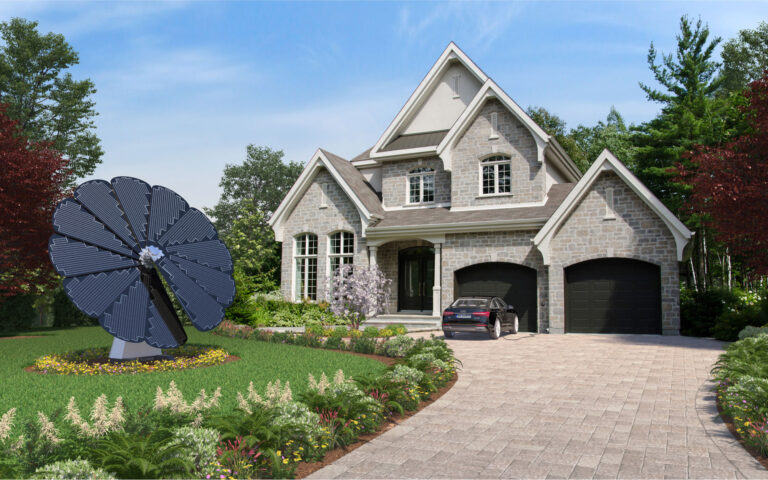
Technologies such as solar panels, smart glass, and rainwater harvesting systems integrate seamlessly with sustainable materials. Together, they create self-sufficient structures that minimize waste and maximize performance.
Circular Design and Material Reuse
Circular design principles encourage architects to design buildings for disassembly, reuse, and recycling—extending the life cycle of materials and reducing waste.
Why People Need Sustainable Building Materials
Sustainable materials address critical global challenges such as climate change, pollution, and resource scarcity. They offer long-term cost savings, healthier living spaces, and contribute to a greener planet.
How to Buy Sustainable Building Materials
Purchasing sustainable materials has never been easier. Many suppliers and online platforms specialize in eco-certified products that meet international green standards. When buying, always look for certifications such as LEED, FSC, or Cradle to Cradle.
Shop Trusted Eco Material Suppliers:
Shop Green Building Supply
Shop EcoHome Products
Browse Architizer Materials
Frequently Asked Questions
1. What makes a building material sustainable?
Sustainable materials have minimal environmental impact, are energy-efficient to produce, and are often renewable or recyclable.
2. Are sustainable materials more expensive?
Initially, some sustainable materials may cost more, but they offer long-term savings through durability and energy efficiency.
3. Can sustainable materials be used in any type of building?
Yes. From residential to commercial, sustainable materials can be integrated into virtually any architectural style or project scale.