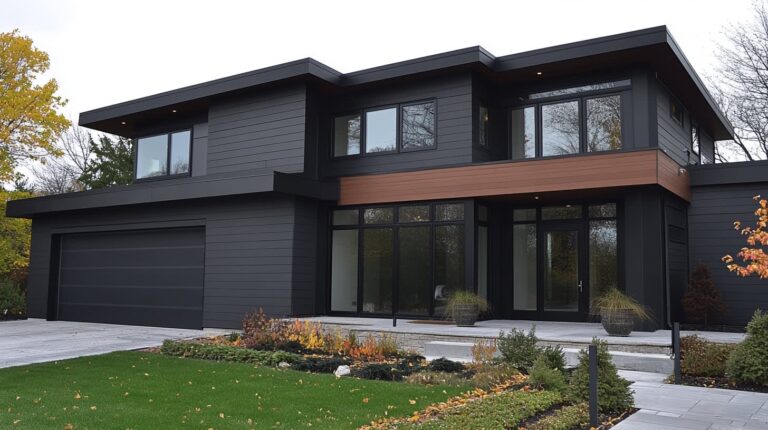
Sustainable Housing Architecture: Smart Eco-Friendly Homes for a Greener Future
The world of residential design is undergoing a major transformation. Sustainable housing architecture combines environmental responsibility with human comfort and modern aesthetics. Through the use of renewable materials, passive energy design, and innovative technology, sustainable homes are redefining how we live efficiently, comfortably, and responsibly.
Understanding Sustainable Housing Architecture
What Is Sustainable Housing Architecture?
Sustainable housing architecture focuses on designing and building homes that minimize environmental impact throughout their lifecycle, from construction to operation and maintenance. This approach emphasizes energy efficiency, water conservation, and material sustainability.
Homes designed under this principle often utilize renewable resources, such as bamboo, reclaimed wood, or recycled steel. They also incorporate smart energy systems like solar panels and passive ventilation, allowing residents to live in harmony with nature without sacrificing comfort.
The Benefits of Sustainable Housing Architecture
The benefits of sustainable housing extend far beyond environmental protection. Energy-efficient homes lower utility costs, improve indoor air quality, and promote a healthier lifestyle. Additionally, sustainable homes have higher resale value and attract eco-conscious buyers.
They also contribute to larger environmental goals, reducing carbon emissions, conserving water, and promoting renewable energy use. Investing in a sustainable home is not only good for the planet but also a smart financial decision in the long run.
Core Principles of Sustainable Housing Design
Energy Efficiency
Energy-efficient homes use technologies like solar panels, LED lighting, and high-performance insulation. Passive design elements such as strategic window placement and cross ventilation reduce energy dependence and optimize indoor comfort.
Material Sustainability
The choice of materials plays a vital role in sustainability. Using locally sourced, non-toxic, and renewable materials minimizes the carbon footprint and promotes healthier living environments.
Water Conservation
Sustainable homes integrate rainwater harvesting systems, greywater recycling, and low-flow fixtures to reduce water waste. Landscaping with native plants also helps conserve water naturally.
Smart Technology Integration
Smart thermostats, automated lighting, and energy monitoring systems help homeowners manage consumption efficiently while maintaining convenience and comfort.
Top 5 Real-World Examples of Sustainable Housing Architecture
The Bullitt Center Residences – Seattle, USA
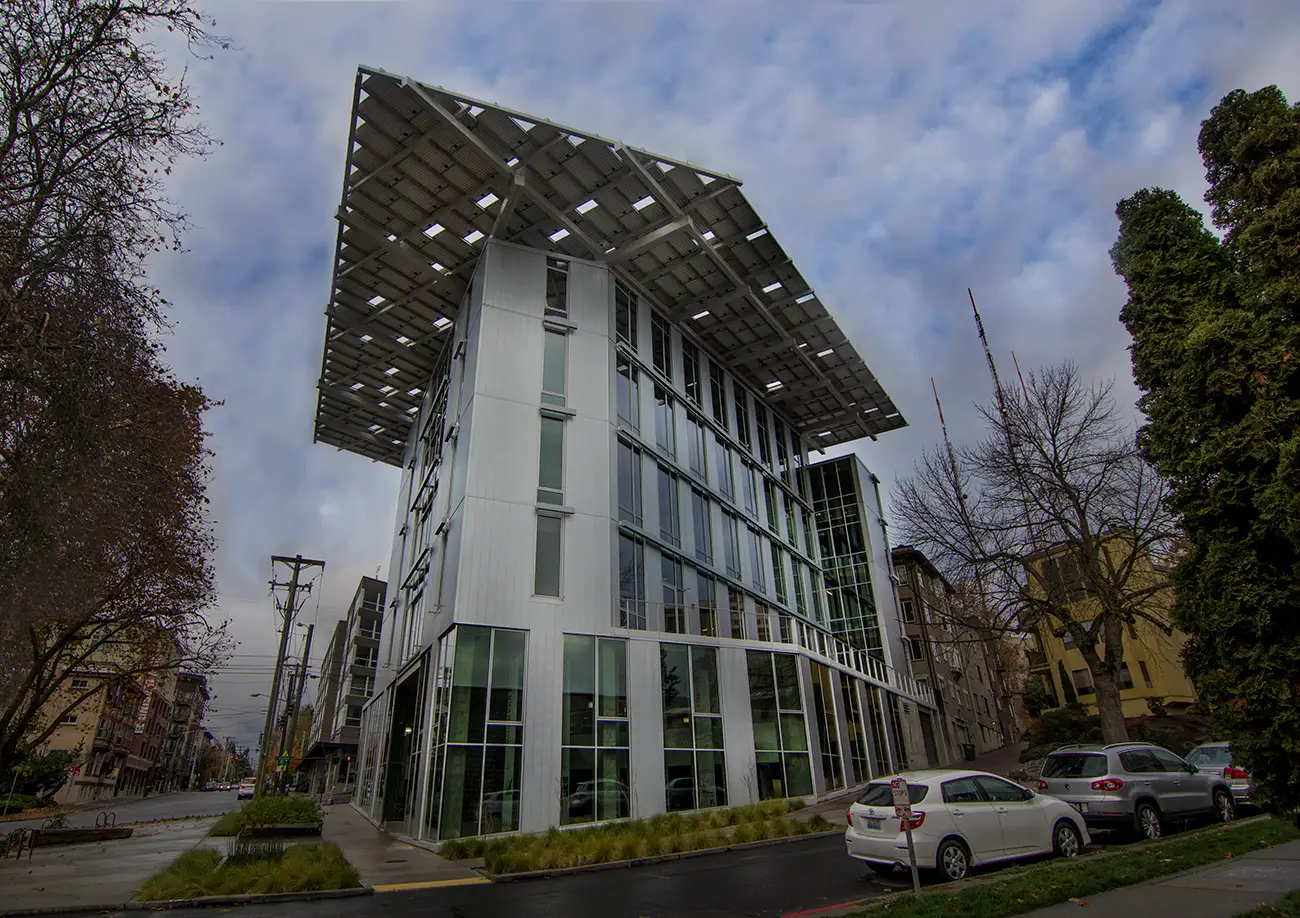
Often dubbed the “greenest commercial building,” the Bullitt Center also inspired several sustainable housing projects in Seattle. The design integrates solar panels, composting systems, and sustainable interiors to achieve net-zero energy and water use.
Benefits and Use Case:
These homes serve as a model for urban sustainability, showing how renewable energy and efficient waste management can work harmoniously. The result is a self-sufficient residential environment.
Where to Learn:
Educational tours and workshops are available through the building’s sustainability programs.
BedZED (Beddington Zero Energy Development) – London, UK
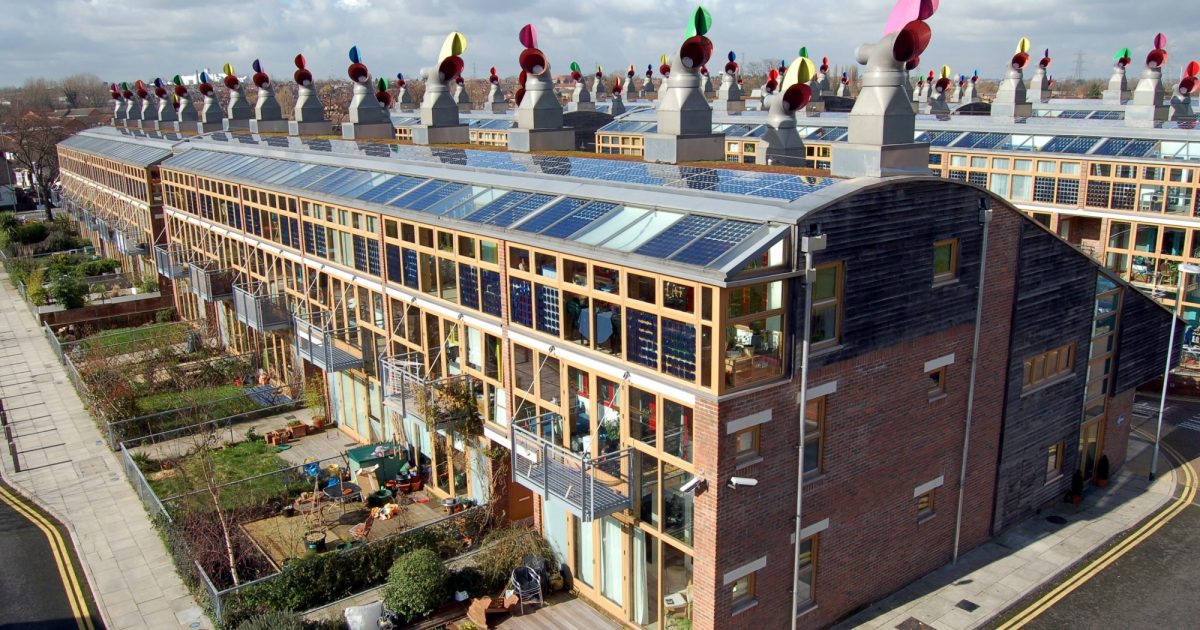
BedZED is one of the world’s first large-scale sustainable housing communities. Designed by Bill Dunster Architects, it features solar panels, rainwater harvesting, and high-efficiency insulation.
Benefits and Use Case:
Residents enjoy lower energy bills and healthier indoor environments. BedZED demonstrates how community-level sustainability can reduce carbon footprints and create more resilient neighborhoods.
Where to Learn:
Information and research publications are available through sustainability networks.
EcoHouse Brazil – São Paulo, Brazil
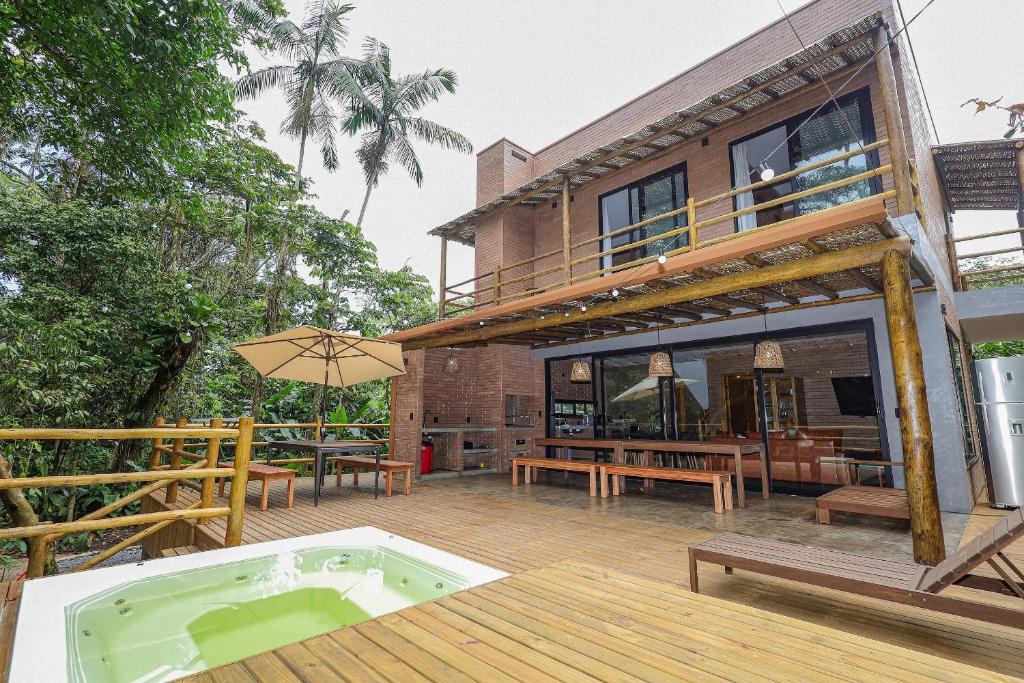
EcoHouse Brazil integrates locally sourced materials like bamboo, reclaimed wood, and recycled concrete. The design emphasizes natural ventilation and renewable energy systems for year-round comfort.
Benefits and Use Case:
This project addresses tropical climate challenges, providing energy savings and thermal comfort. It proves how sustainable design principles can adapt to local conditions globally.
Where to Learn:
Visitors can explore sustainability case studies through the project’s online resources.
Hockerton Housing Project – Nottinghamshire, UK
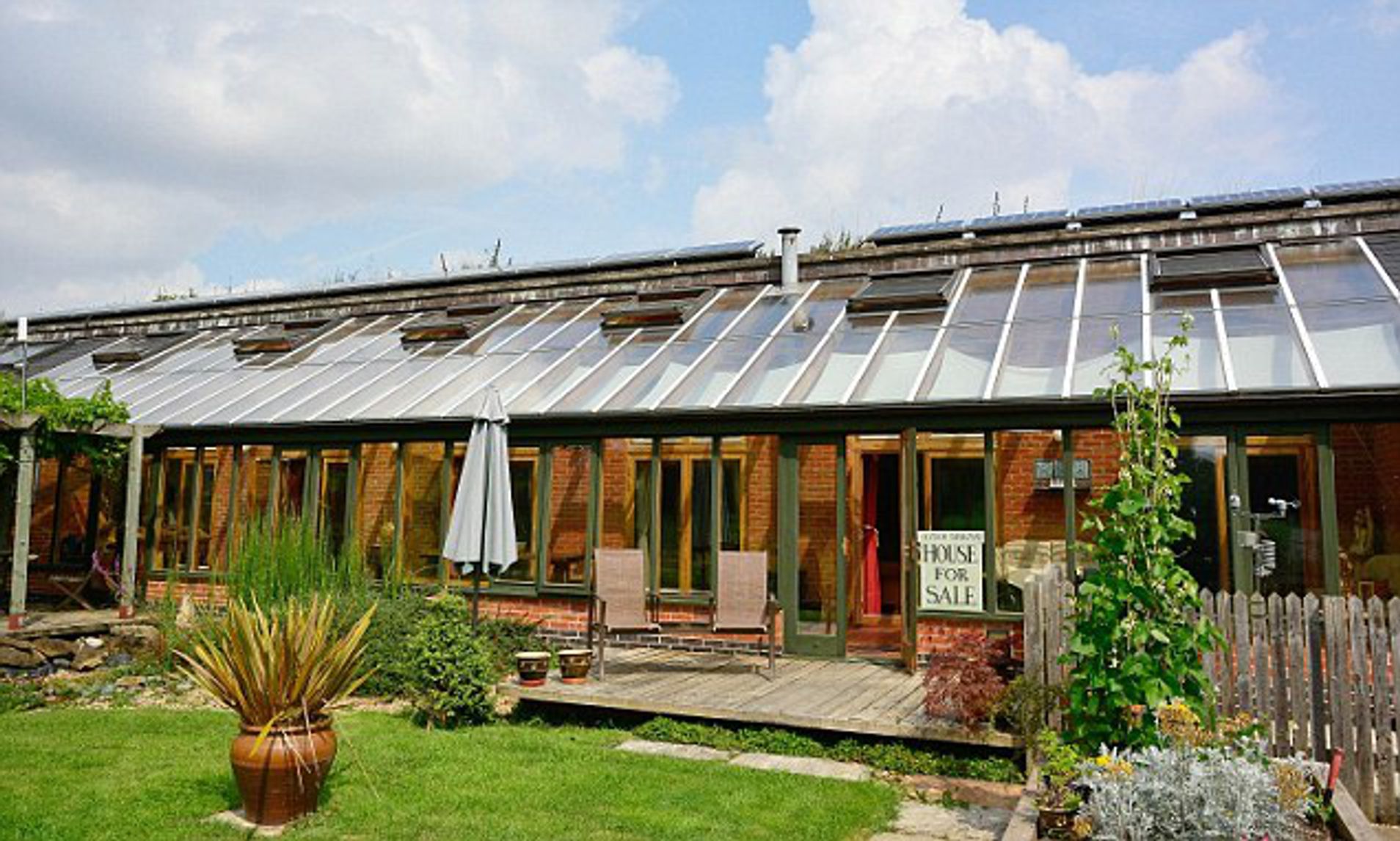
This community consists of five earth-sheltered homes that operate entirely on renewable energy. They use natural building materials, passive solar design, and rainwater systems to achieve near-zero environmental impact.
Benefits and Use Case:
The Hockerton Project demonstrates long-term energy independence and sustainable living at a community scale. It offers valuable lessons for both architects and homeowners.
Where to Learn:
Workshops and educational tours are available through the project’s sustainability program.
CopenHill Residential Concept – Copenhagen, Denmark
Expanding from its waste-to-energy plant, the CopenHill concept includes sustainable residential designs that incorporate green roofs, recycled materials, and renewable power sources.
Benefits and Use Case:
These homes reduce waste output and promote energy-positive living. They show how urban sustainability can integrate housing, recreation, and renewable technology seamlessly.
Where to Learn:
Guided sustainability programs are offered at CopenHill.
The Role of Technology in Sustainable Housing
Renewable Energy Systems
Solar panels, geothermal heating, and wind turbines are now essential components of modern sustainable housing. These systems minimize reliance on fossil fuels and promote self-sufficiency.
Smart Home Automation
Smart technology helps optimize energy and water use. Systems such as automated lighting, energy tracking apps, and smart HVAC controls contribute to efficient daily living.
How to Apply Sustainable Housing Principles at Home
Homeowners can implement sustainability in their homes through small yet impactful choices installing energy-efficient windows, choosing green materials, and investing in solar power systems. Collaborating with LEED-certified architects ensures compliance with recognized sustainability standards.
Where to Buy Sustainable Housing Solutions
Many green products and systems can be sourced through eco-friendly suppliers. Platforms like EarthHero, EcoBuildingProducts, and regional green home builders offer materials and technologies tailored for sustainability projects.
Frequently Asked Questions (FAQ)
1. What defines sustainable housing architecture?
Sustainable housing architecture minimizes environmental impact by using renewable materials, energy-efficient systems, and eco-friendly design principles.
2. What are the most sustainable building materials?
Bamboo, recycled steel, reclaimed wood, cork, and natural clay are among the most sustainable options for housing construction.
3. How can homeowners make their houses more sustainable?
By adopting solar energy, using recycled materials, optimizing insulation, and installing smart systems, homeowners can significantly reduce their environmental footprint.