Architecture and Sustainable Design: Modern Innovations for a Greener Future
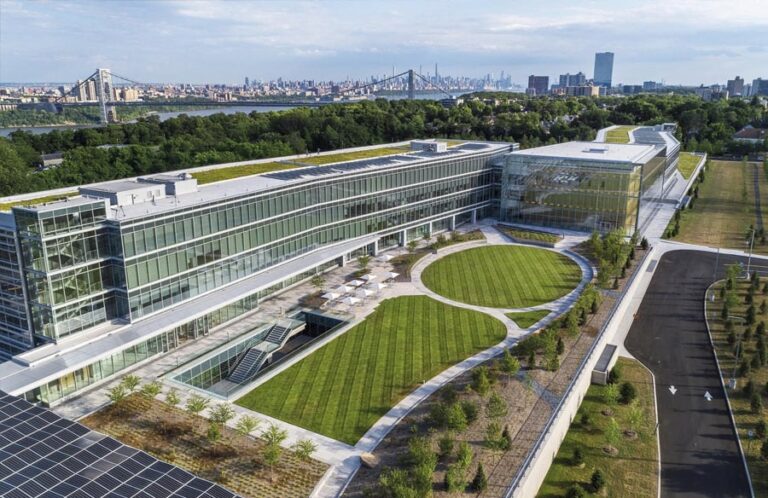
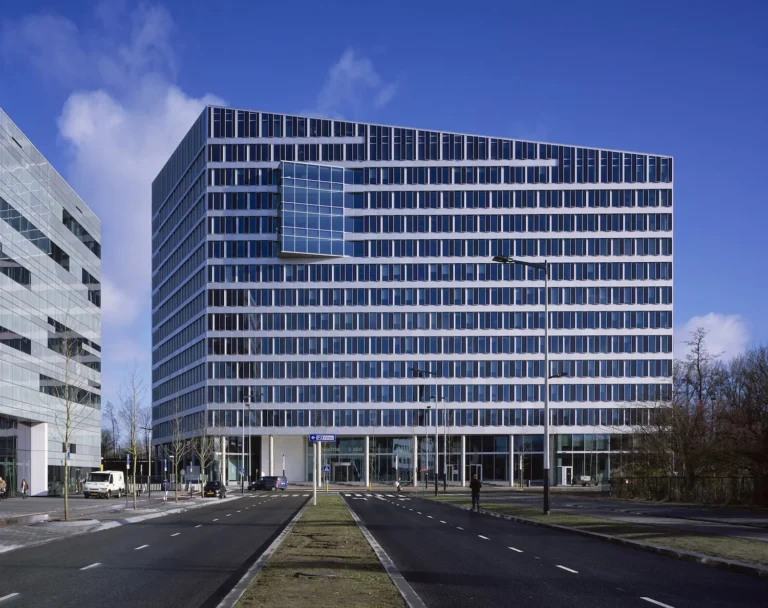
Architecture and sustainable design have become central to how we shape our cities and living spaces. As global awareness about environmental conservation rises, architects are rethinking traditional construction methods by integrating renewable materials, energy-efficient technologies, and green design principles. This approach not only reduces ecological impact but also creates healthier, more livable environments.
Understanding Architecture and Sustainable Design
At its core, sustainable architecture focuses on minimizing a building’s carbon footprint while maximizing efficiency and occupant well-being. The design process involves selecting materials that are renewable or recyclable, optimizing natural light and ventilation, and implementing systems that use renewable energy sources.
Sustainable design principles can be applied to both new constructions and retrofitted buildings. Whether designing a new office complex or renovating a heritage building, architects today aim to reduce waste, conserve resources, and promote longevity in structure and aesthetics.
Benefits of Sustainable Architecture and Design
Sustainable design provides a range of benefits for both the environment and the people living within these spaces. Energy-efficient designs reduce dependence on fossil fuels and lower utility costs. Additionally, the use of natural materials improves air quality, while passive design strategies such as maximizing daylight enhance psychological and physical well-being.
Businesses also benefit from adopting sustainable architecture. A well-designed green building can improve employee productivity, reduce maintenance costs, and elevate a company’s public image as an environmentally conscious organization.
Key Technologies Driving Sustainable Architecture
Advancements in sustainable technologies have revolutionized architectural practices. From solar energy to smart building management systems, innovations are allowing architects to design structures that are self-sufficient, energy-conscious, and adaptable to environmental changes.
Smart systems, for example, use sensors to adjust lighting and temperature based on occupancy, significantly reducing waste. Water recycling systems, green roofing, and biophilic design, integrating natural elements into indoor environments, are now standard practices in modern architecture.
Real-World Examples of Architecture and Sustainable Design
The Edge, Amsterdam
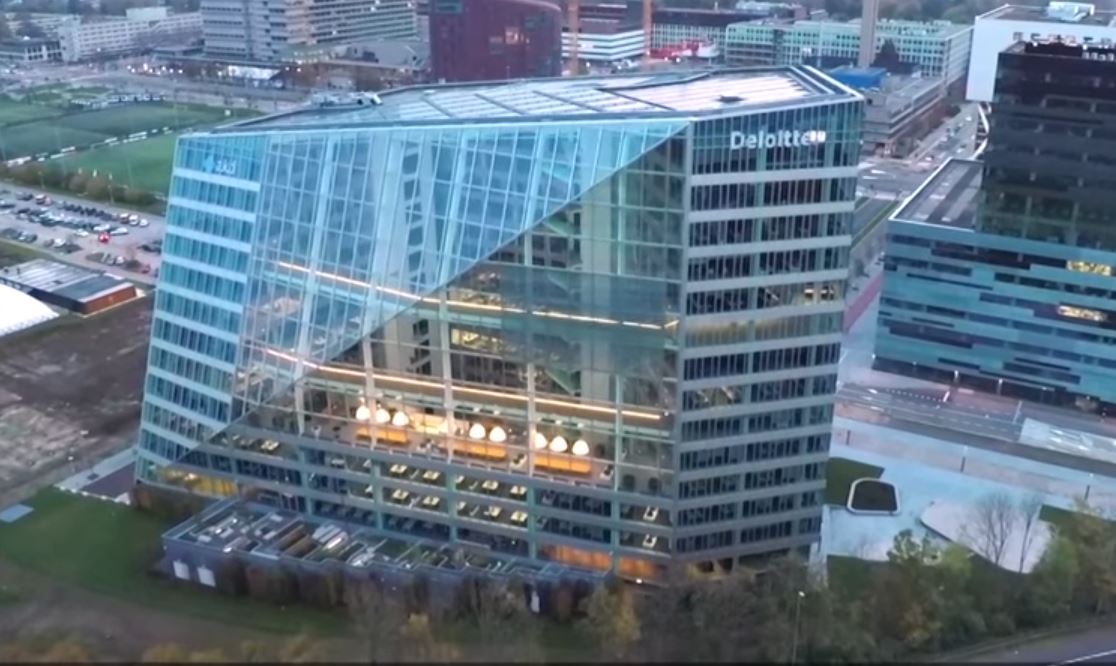
The Edge in Amsterdam is often called the world’s greenest building. Designed by PLP Architecture, it incorporates solar panels, a smart energy management system, and rainwater collection technology. The building adjusts lighting and temperature according to individual preferences through smartphone integration, showcasing how sustainability and comfort can coexist.
Use Case: The Edge demonstrates that large-scale corporate offices can drastically reduce their energy consumption while maintaining top-tier comfort and functionality.
Bosco Verticale, Milan
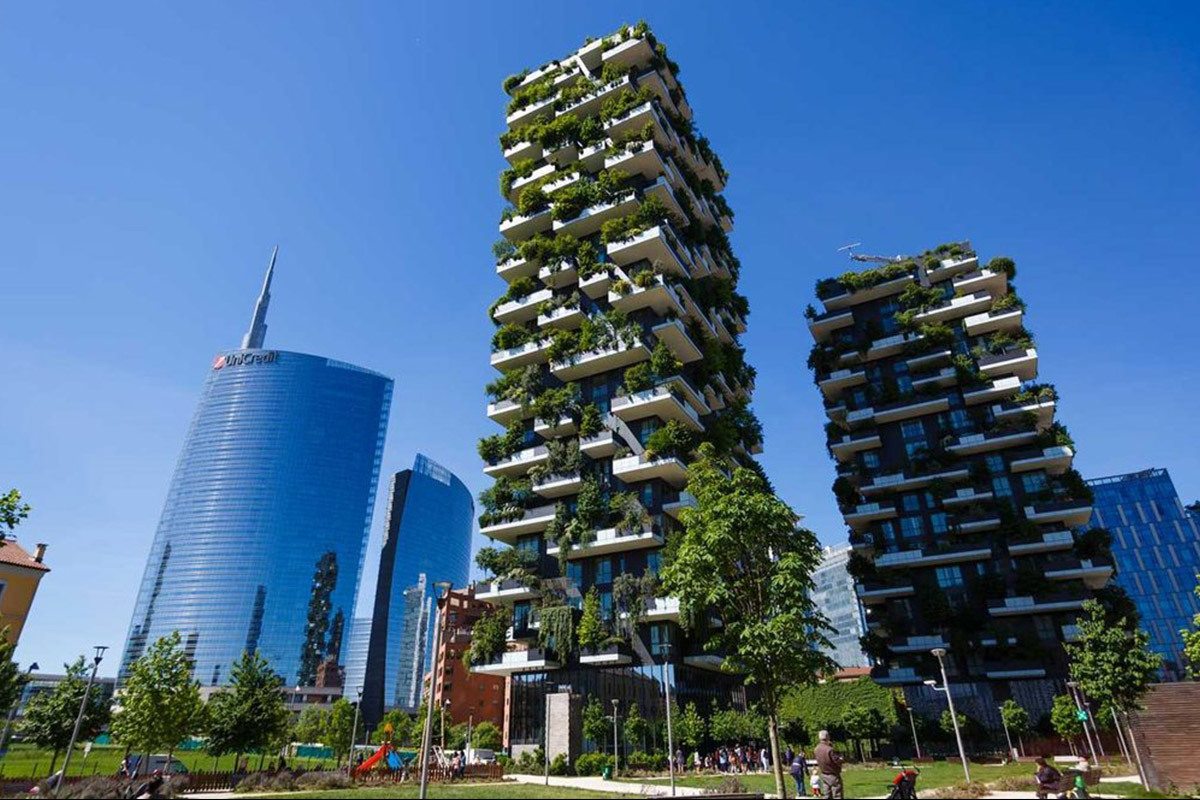
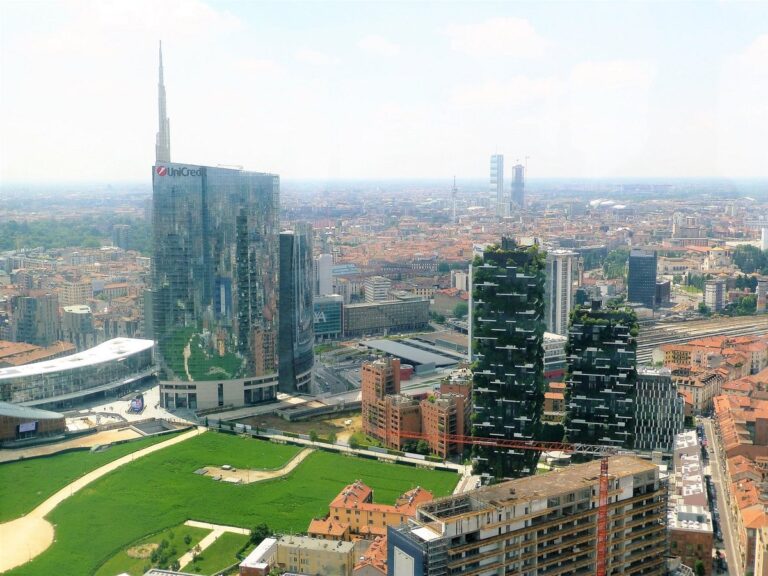
The Bosco Verticale or Vertical Forest is a pair of residential towers in Milan designed by Stefano Boeri Architetti. Each building hosts more than 900 trees and 20,000 plants on its terraces, creating a self-sustaining ecosystem that absorbs CO₂, filters dust particles, and provides shade.
Benefit: Residents enjoy cleaner air and reduced noise pollution, while the building helps combat urban heat island effects, making cities more resilient to climate change.
Bullitt Center, Seattle
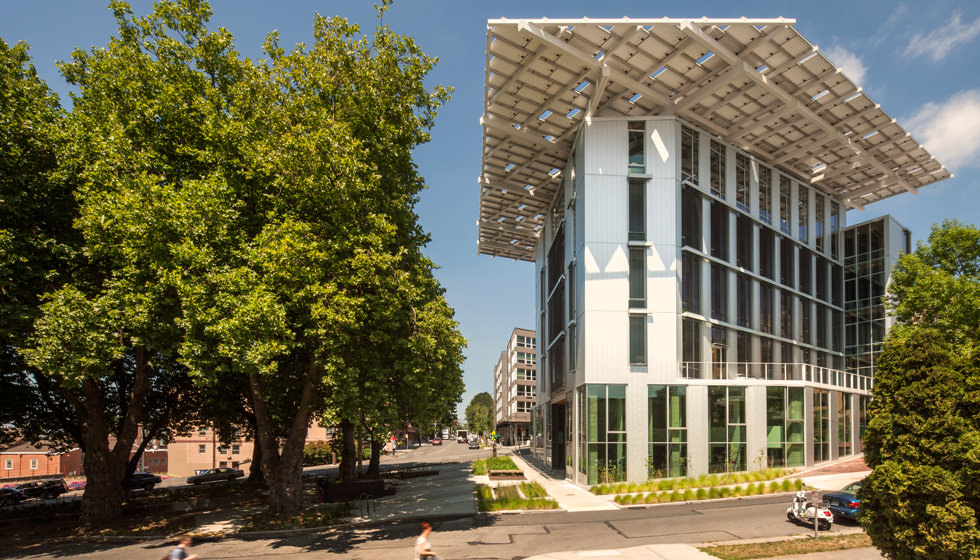
Often referred to as the greenest commercial building in the world, the Bullitt Center produces as much energy as it consumes. With a solar array, rainwater collection system, and composting toilets, it demonstrates the potential of self-sustaining design in urban environments.
Use Case: It provides a model for urban developers seeking to balance ecological responsibility with modern functionality.
One Central Park, Sydney
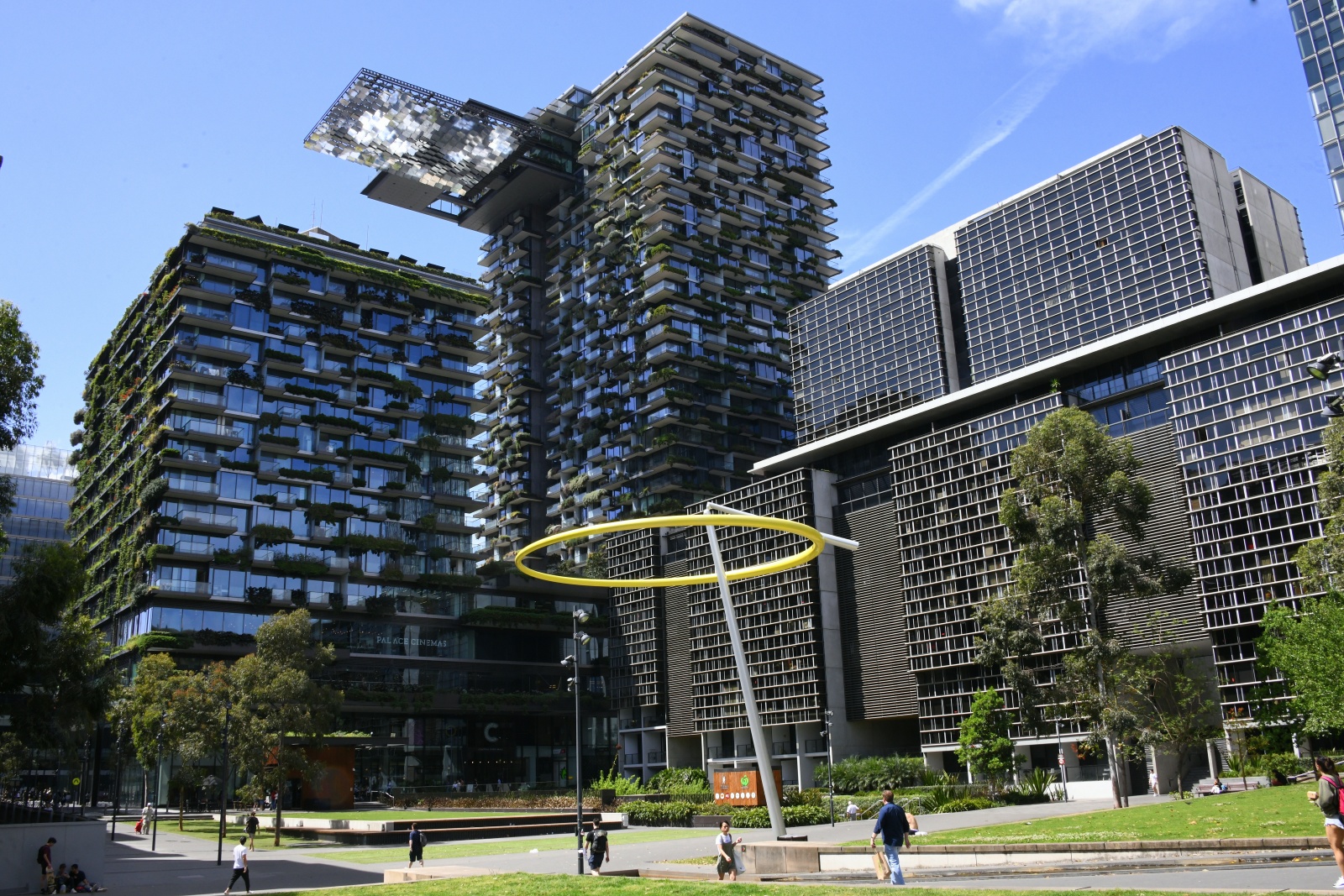
One Central Park integrates vertical gardens and mirrored panels that redirect sunlight into shaded areas. Designed by Jean Nouvel and botanist Patrick Blanc, this structure redefines urban living through a combination of art, nature, and technology.
Benefit: The integration of greenery improves air quality, while energy-efficient lighting and irrigation systems reduce operational costs.
Powerhouse Brattorkaia, Norway
Powerhouse Brattorkaia in Trondheim is an energy-positive office building, producing more energy than it consumes. Using solar panels, seawater-based cooling, and locally sourced materials, it exemplifies the concept of net-positive design.
Use Case: This building showcases how sustainability can drive innovation in extreme climates and encourage global adaptation of clean energy systems.
How to Adopt Sustainable Architecture Practices
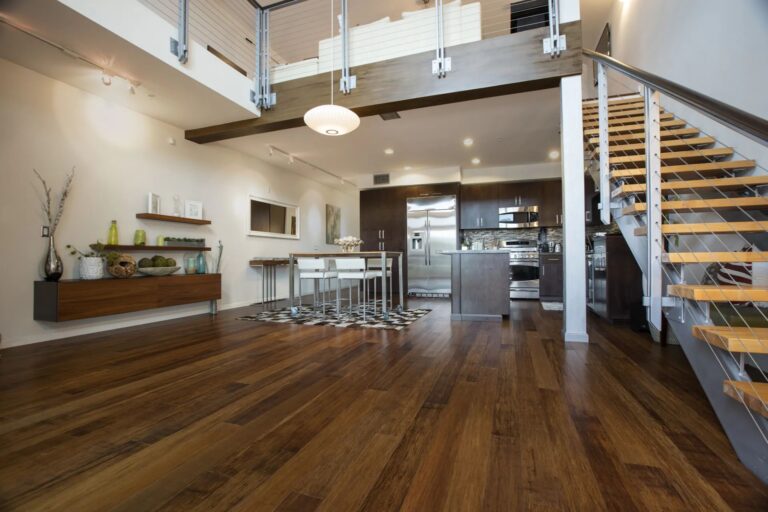
Transitioning to sustainable design doesn’t require monumental change. Simple adjustments like using locally sourced materials, improving insulation, or integrating renewable energy systems can significantly enhance sustainability. Architects and developers can partner with specialized suppliers offering certified eco-materials such as bamboo flooring, recycled steel, and non-toxic paints.
Where to Find Sustainable Design SolutionsNumerous global suppliers are offering innovative products for sustainable design:
- Greenworks: Provides sustainable construction materials and modular green wall systems.
- Kingspan: Specializes in energy-efficient insulation and building envelope solutions.
- Interface: Offers eco-friendly flooring made from recycled and renewable materials.
- Velux: Supplies energy-efficient skylights designed to maximize daylight.
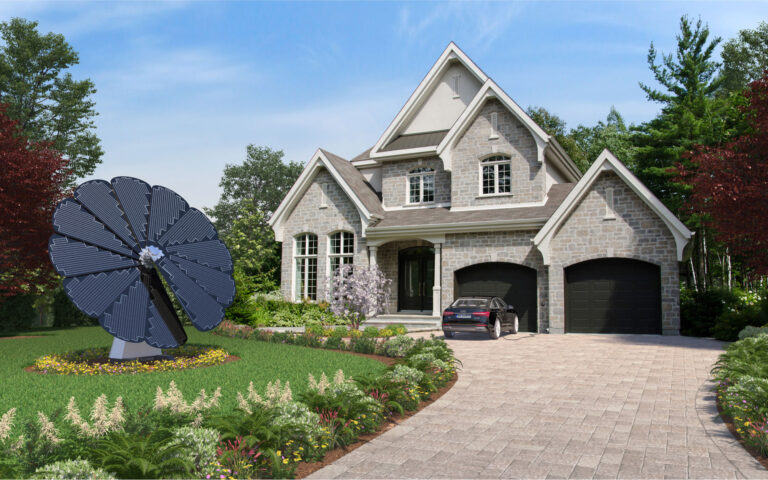
- Tesla Energy: Provides solar roof tiles and home energy storage solutions.
Affiliate-style Call to Action:
[Shop Sustainable Design Materials]
[Explore Energy-Efficient Building Solutions]
[Find Eco-Friendly Architecture Products]
Conclusion
Architecture and sustainable design represent a crucial step toward reducing environmental degradation and improving the quality of life. By adopting eco-conscious technologies, architects can create buildings that not only serve people today but also protect the planet for future generations.
FAQs
1. What is the goal of sustainable architecture?
The primary goal is to reduce environmental impact by using energy-efficient systems, renewable resources, and eco-friendly materials while ensuring comfort and aesthetic appeal.
2. How does sustainable design affect building costs?
While the initial investment may be higher, sustainable design reduces long-term costs through lower energy bills, decreased maintenance, and higher property value.
3. Can older buildings be adapted to sustainable design?
Yes. Retrofitting older structures with modern technologies like insulation upgrades, solar panels, and efficient HVAC systems can drastically improve their sustainability without altering their heritage value.