Top Architecture Firms in Sustainable Design: Leading Innovations for a Greener Future
Sustainability has become a core pillar in contemporary architecture, influencing how structures are designed, constructed, and maintained. Architecture firms specializing in sustainable design are not only creating beautiful buildings but also reducing environmental impact and promoting healthier living environments. This approach integrates renewable materials, energy-efficient systems, and cutting-edge technologies to redefine how the world builds.
Understanding Sustainable Architecture Firms
What Are Sustainable Architecture Firms?
Sustainable architecture firms are design practices committed to creating environmentally responsible and resource-efficient buildings throughout their lifecycle. These firms focus on reducing carbon emissions, conserving resources, and enhancing the well-being of occupants through innovative design principles.
They often employ advanced technologies, such as Building Information Modeling (BIM) and energy simulation software, to optimize energy consumption and material use. The result is a balance between aesthetics, performance, and sustainability.
Benefits of Choosing Sustainable Design Firms
The advantages of working with sustainable architecture firms go beyond aesthetics. Eco-conscious design minimizes energy costs, improves air quality, and ensures compliance with green certifications like LEED or BREEAM. Furthermore, sustainable buildings often have longer lifespans and higher market values.
By investing in green architecture, clients contribute to global efforts against climate change while enjoying financial and health benefits. The emphasis on renewable materials and efficient systems fosters comfort and reduces environmental footprints.
Core Elements of Sustainable Architecture
Eco-Friendly Materials
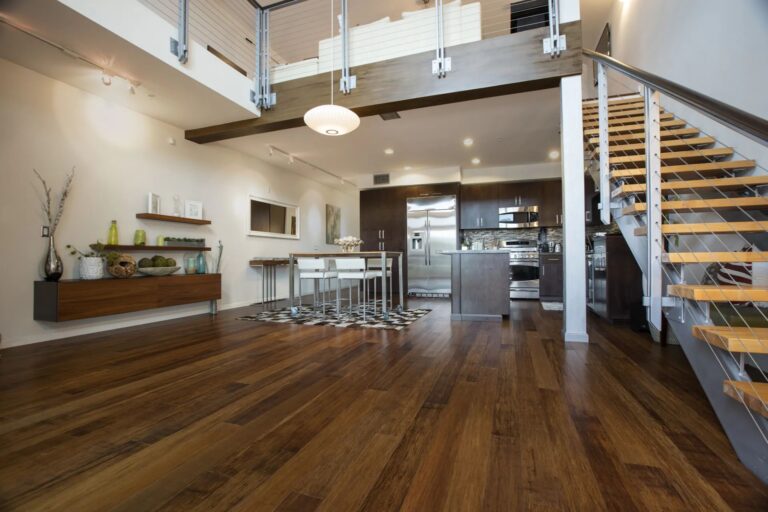
Sustainable design emphasizes the use of renewable, recycled, and non-toxic materials. From bamboo flooring to reclaimed wood and low-VOC paints, these materials contribute to healthier indoor environments while minimizing ecological damage.
Energy Efficiency
Incorporating energy-efficient technologies such as solar panels, LED lighting, and smart thermostats helps reduce energy dependence. Passive design strategies like natural ventilation and daylighting further enhance energy savings.
Water Management
Efficient plumbing systems, rainwater harvesting, and greywater recycling are vital elements of sustainable architecture. These features ensure responsible water use and reduce strain on municipal supplies.
Smart Design Technologies
Digital design tools and smart building systems play a major role in sustainability. They help architects analyze performance metrics, predict energy use, and design structures that adapt to environmental changes.
Top 5 Real-World Examples of Architecture Firms Leading in Sustainable Design
Foster + Partners – London, UK

Foster + Partners is a global leader in sustainable design, known for integrating environmental analysis with architectural creativity. Their projects often achieve net-zero energy targets through advanced material use and energy-efficient systems.
Notable projects like Apple Park and Bloomberg HQ demonstrate the firm’s dedication to eco-friendly architecture. They use intelligent daylight systems, natural ventilation, and green roofing technologies to reduce environmental impact.
Benefits and Use Case:
These designs minimize energy costs while maximizing comfort. Clients benefit from reduced operational expenses and enhanced building performance.
Bjarke Ingels Group (BIG) – Copenhagen, Denmark

Bjarke Ingels Group combines creativity with sustainability, producing innovative structures like CopenHill and VIA 57 West. The firm embraces circular design principles, ensuring that buildings produce more energy than they consume.
Their designs often merge public utility with sustainability. CopenHill, for instance, doubles as a waste-to-energy plant and recreational hub.
Benefits and Use Case:
BIG’s approach proves that sustainable architecture can also be fun, functional, and economically viable. It’s ideal for urban spaces seeking green innovation.
HOK Architects – St. Louis, USA

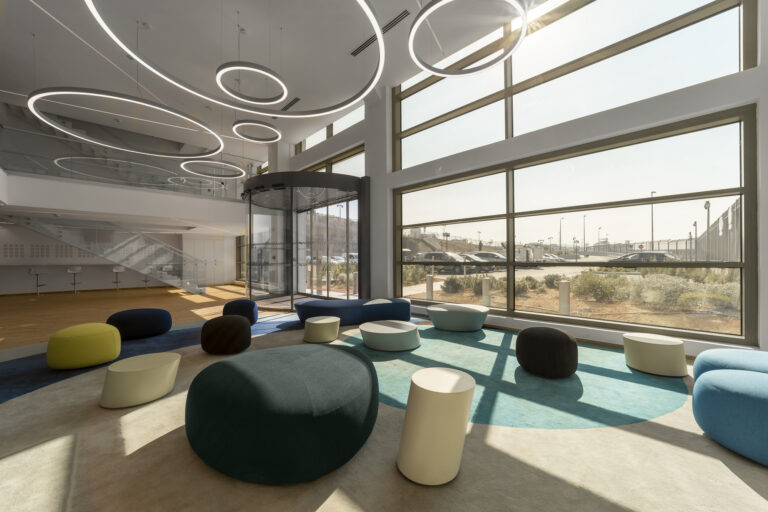
HOK Architects is renowned for designing high-performance, energy-efficient buildings worldwide. Their projects, such as the Net Zero Energy Building at KAUST, demonstrate their leadership in sustainable technology.
The firm integrates natural light optimization, energy modeling, and sustainable materials in all projects. Their designs support human well-being and environmental responsibility.
Benefits and Use Case:
HOK’s designs reduce operating costs and improve occupant productivity. Clients benefit from modern spaces that are both efficient and visually appealing.
Snohetta – Oslo, Norway
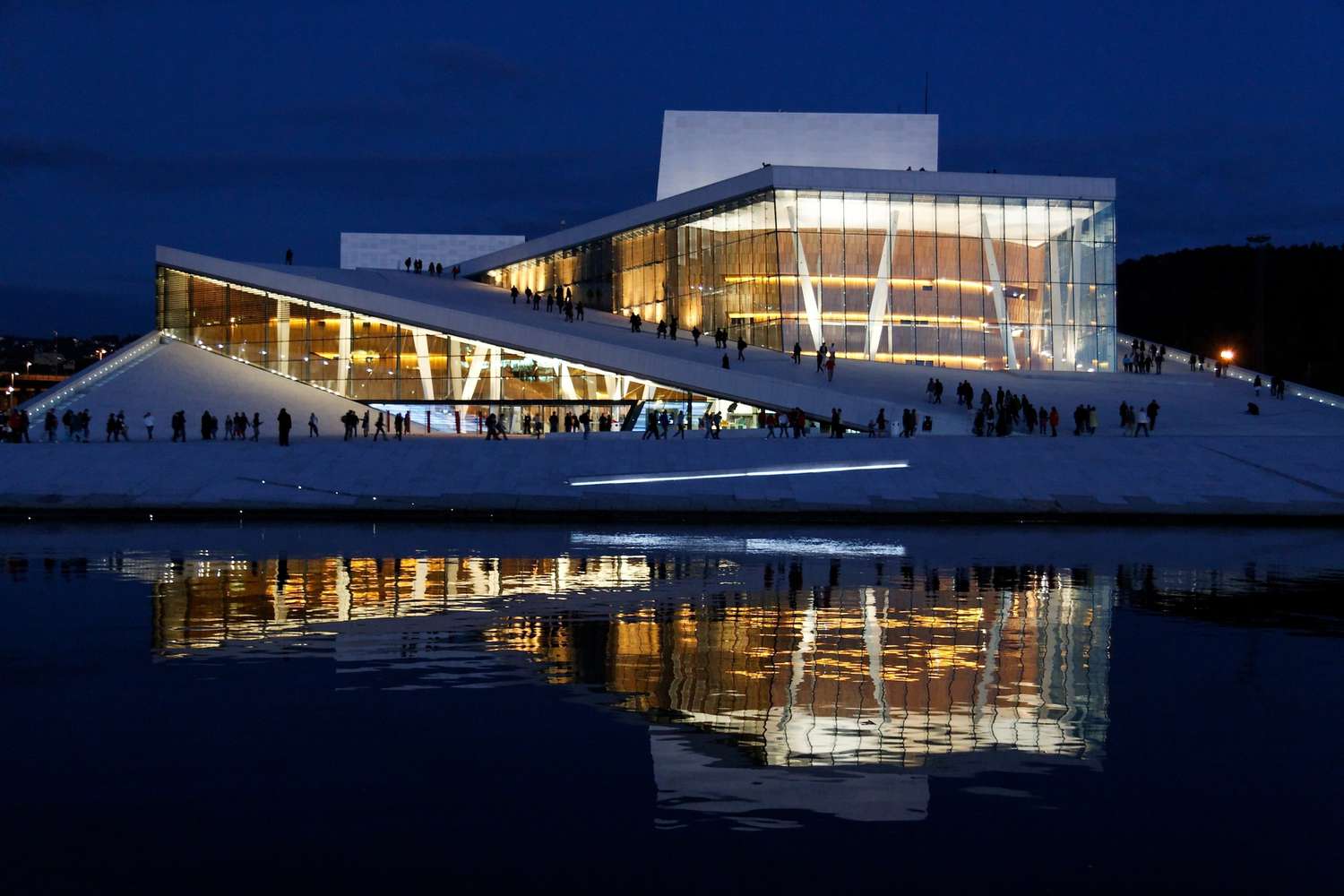
Snøhetta is celebrated for combining cultural relevance with sustainability. Their projects, such as the Powerhouse Brattørkaia, are designed to produce more energy than they consume, even in cold climates.
Their designs use recycled materials, passive solar heating, and innovative façade systems to reduce energy demand. Snøhetta also emphasizes biodiversity integration in urban landscapes.
Benefits and Use Case:
Their architectural philosophy encourages harmony between humans and nature, creating structures that enhance urban ecosystems and community well-being.
Gensler – San Francisco, USA
Gensler is one of the world’s largest architecture firms, prioritizing sustainability across its global portfolio. From corporate offices to public infrastructure, Gensler integrates green design and social responsibility.
Their project, the Shanghai Tower, stands as a model of sustainable skyscraper design, using wind turbines, rainwater collection, and double-skin façades.
Benefits and Use Case:
Gensler’s sustainable architecture supports global ESG goals by minimizing energy use and enhancing urban resilience.
The Role of Technology in Sustainable Architecture
Building Information Modeling (BIM)
BIM enables architects to simulate real-world performance, improving design accuracy and reducing waste. It allows teams to visualize energy use, lighting, and material efficiency throughout a building’s lifecycle.
Smart Building Systems
Intelligent systems for heating, cooling, and lighting adjust automatically based on occupancy and environmental data. This improves energy efficiency and comfort, reducing operational costs.
Why Sustainable Design Matters for Architecture Firms
Sustainable design is not just a trend; it’s the future of architecture. Firms adopting green design principles align with global sustainability targets, attract conscious clients, and strengthen their brand reputation.
Beyond environmental benefits, sustainable architecture promotes innovation. It drives firms to explore new materials, technologies, and design philosophies that shape modern living.
How to Choose the Right Sustainable Architecture Firm
Clients should consider a firm’s certification, portfolio, and commitment to sustainability. Look for teams with LEED-accredited professionals and proven experience in sustainable projects.
Collaborating with firms that prioritize both design excellence and environmental responsibility ensures long-term value and comfort.
Where to Find and Hire Sustainable Design Firms
Many top firms offer consultation and project management online. Platforms and professional networks allow clients to connect directly with architecture firms specializing in sustainability.
Frequently Asked Questions (FAQ)
1. What defines a sustainable architecture firm?
A sustainable architecture firm focuses on creating eco-friendly buildings that reduce environmental impact through smart materials, energy efficiency, and responsible construction methods.
2. Why should clients choose sustainable architecture?
Sustainable architecture offers long-term cost savings, improved air quality, and reduced carbon emissions, making it both an ethical and economic choice.
3. How can I identify if an architecture firm is sustainable?
Look for certifications like LEED, WELL, or BREEAM, and review the firm’s project portfolio to see how they integrate sustainability into design.