The Future of Sustainable Living: Exploring Eco-Friendly Architecture for a Greener Tomorrow
Eco-friendly architecture has become one of the most significant movements in modern construction, emphasizing sustainability, energy efficiency, and harmony with the environment. With climate change and urbanization shaping our future, sustainable architecture offers a practical path toward reducing environmental impact while improving human comfort and health.
What is Eco-Friendly Architecture?
Eco-friendly architecture, also known as sustainable or green architecture, focuses on minimizing the negative environmental effects of buildings by improving efficiency in materials, energy, and space usage. The core principle revolves around designing structures that use resources responsibly throughout their life cycle, from construction and operation to renovation and demolition.
Key Principles of Sustainable Architecture
Eco-friendly architecture operates on several guiding principles:
- Energy Efficiency: Using renewable energy sources such as solar or wind power to reduce reliance on fossil fuels.
- Sustainable Materials: Employing recycled, locally sourced, or biodegradable materials to minimize environmental degradation.
- Water Conservation: Integrating rainwater harvesting and greywater recycling systems.
- Indoor Environmental Quality: Ensuring proper ventilation, natural lighting, and the use of non-toxic materials.
- Smart Design: Utilizing passive cooling and heating techniques to regulate indoor climate naturally.
These principles make eco-friendly buildings not just an environmental necessity but also an economically viable and healthier choice for occupants.
Benefits of Eco-Friendly Architecture
Reduced Environmental Impact
Eco-friendly buildings lower carbon emissions and energy use by incorporating green technologies like solar panels, geothermal systems, and smart energy management. These designs promote sustainability and help combat climate change.
Long-Term Cost Savings
While initial construction costs may be higher, sustainable buildings save money in the long run through reduced energy bills, lower maintenance costs, and increased durability.
Improved Health and Well-being
Sustainable materials and natural ventilation systems create cleaner, toxin-free indoor environments that enhance mental and physical health.
Real-World Examples of Eco-Friendly Architecture Products
1. Tesla Solar Roof
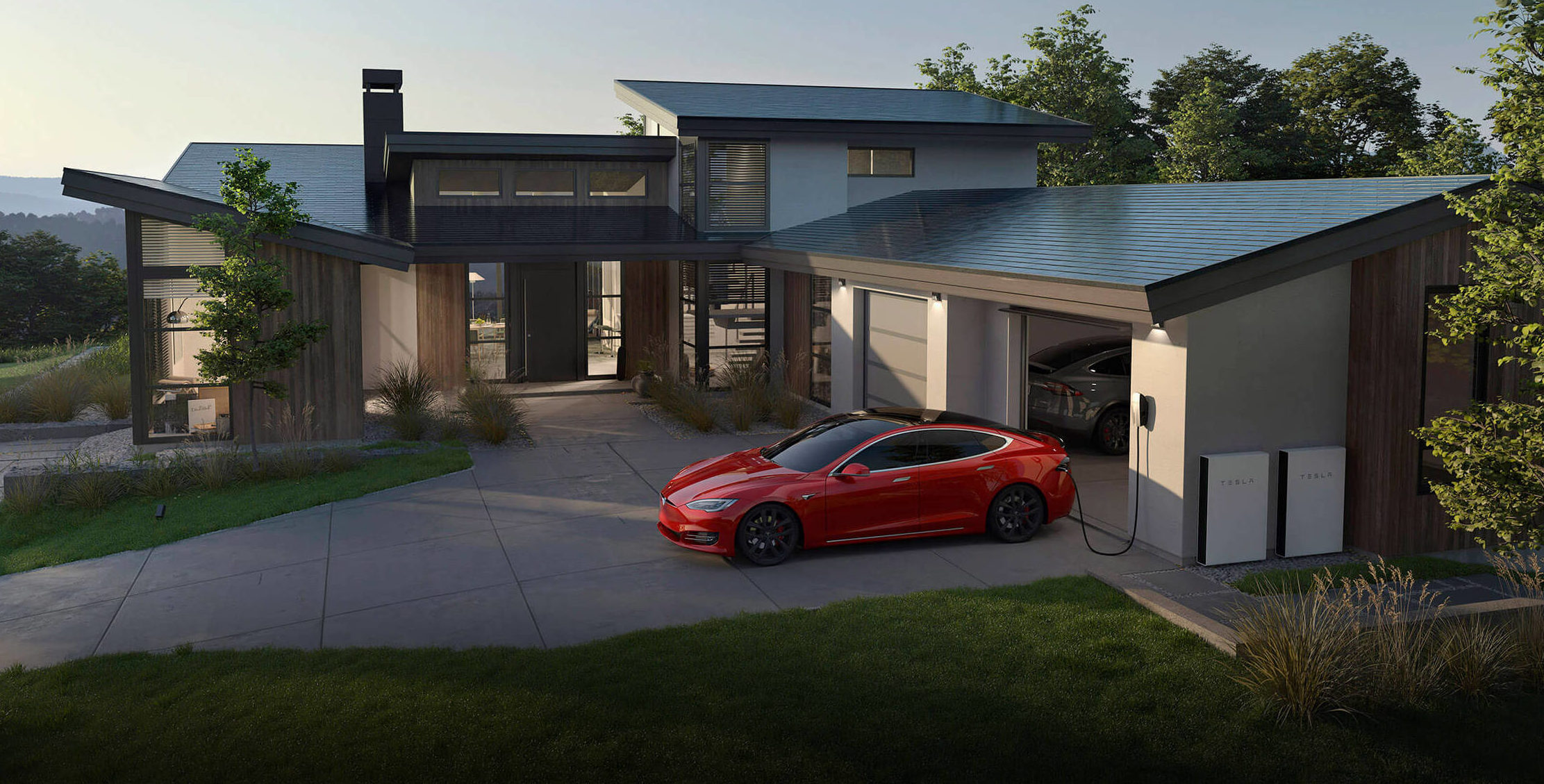
The Tesla Solar Roof is a revolutionary product combining solar energy generation with durable roofing materials. It replaces traditional roofing with solar tiles that convert sunlight into electricity.
Benefits:
- Generates renewable energy directly from your roof.
- Reduces electricity bills significantly.
- Enhances property value and aesthetic appeal.
Use Case: Ideal for residential and small commercial buildings seeking energy independence. It solves the problem of unreliable energy supply and reduces dependence on non-renewable resources.
Where to Buy: Available on Tesla’s official website.
Buy Tesla Solar Roof
2. Smartflower Solar System
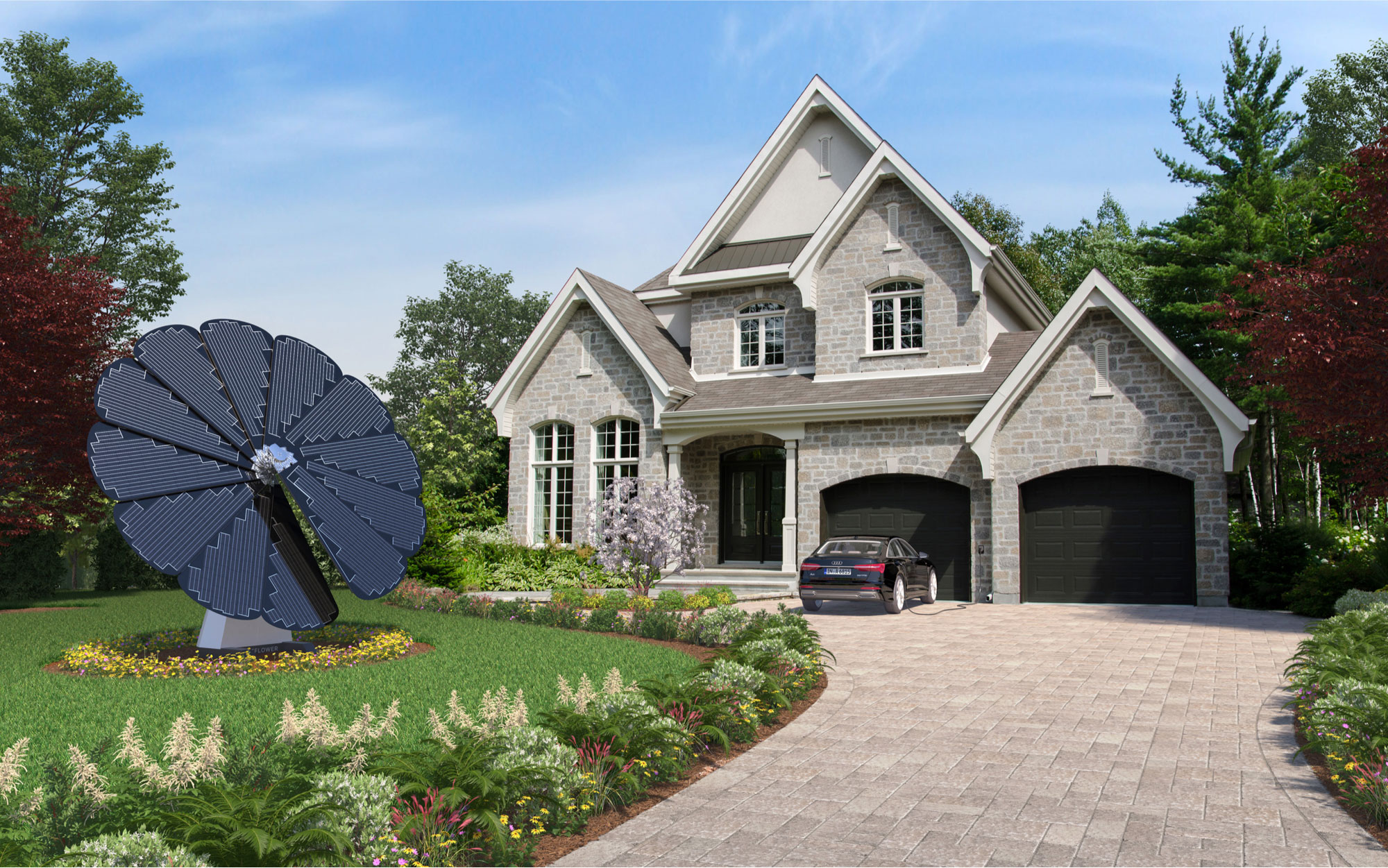
The Smartflower Solar System mimics the natural movement of sunflowers by tracking the sun’s path to maximize solar absorption.
Benefits:
- Generates up to 40% more power than conventional solar panels.
- Easy to install and relocate.
- Aesthetic design that complements modern architecture.
Use Case: Perfect for eco-conscious homeowners and educational institutions promoting renewable energy awareness.
Where to Buy: Available at Smartflower’s official website.
Buy Smartflower Solar System
3. Hempcrete Building Blocks

Hempcrete is a biocomposite material made from hemp hurds, lime, and water. It’s lightweight, insulating, and carbon-negative.
Benefits:
- Regulates humidity and temperature naturally.
- Fire-resistant and pest-resistant.
- Reduces construction waste.
Use Case: Suitable for eco-friendly home construction and retrofitting existing structures to improve insulation.
Where to Buy: Find more information and purchase through Hemp Eco Systems.
Buy Hempcrete Materials
4. LG Therma V Heat Pump
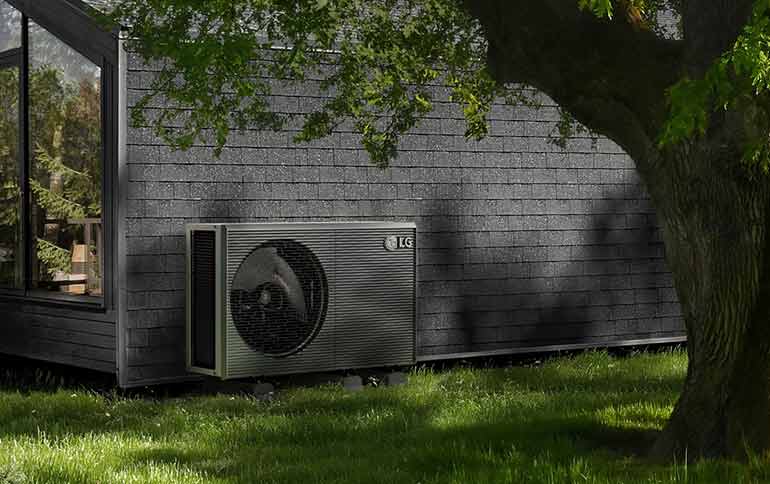
The LG Therma V air-to-water heat pump is a sustainable heating and cooling solution that reduces energy consumption.
Benefits:
- Converts ambient air energy into heating for water and space.
- Cuts CO₂ emissions drastically.
- Compatible with smart home systems for optimized efficiency.
Use Case: Perfect for homes and buildings in regions with variable climates, providing year-round comfort with minimal energy waste.
Where to Buy: Available through LG’s global distributors.
Buy LG Therma V
5. Philips GreenPower LED Lighting
The Philips GreenPower LED series delivers sustainable indoor and outdoor lighting solutions designed to reduce energy consumption.
Benefits:
- Up to 80% energy savings compared to conventional lighting.
- Long lifespan reduces replacement costs.
- Enhances comfort with natural color rendering.
Use Case: Suitable for commercial spaces, homes, and greenhouses seeking efficient and eco-friendly lighting systems.
Where to Buy: Available through Philips’ official website.
Buy Philips GreenPower LED
How Eco-Friendly Architecture Solves Real-World Problems
Eco-friendly architecture addresses pressing global issues such as carbon emissions, rising energy costs, and resource depletion. By integrating sustainable technologies, it reduces environmental stress while fostering innovation in renewable materials and energy systems. Green buildings also play a key role in enhancing urban resilience, mitigating heat island effects, and promoting biodiversity.
How to Buy Eco-Friendly Building Solutions
When purchasing eco-friendly products, it’s crucial to:
- Check Certifications: Look for Energy Star, LEED, or BREEAM labels.
- Research Suppliers: Choose reputable companies with transparent sustainability policies.
- Compare Efficiency: Analyze long-term savings, not just upfront costs.
- Seek Professional Guidance: Consult with certified green architects or engineers.
You can buy the above products directly through their official websites, ensuring authenticity and warranty coverage.
FAQs
Q1: Is eco-friendly architecture expensive to implement?
While initial costs can be higher, long-term savings from reduced energy and maintenance expenses often outweigh the upfront investment.
Q2: Can old buildings be converted into eco-friendly structures?
Yes, through retrofitting, adding insulation, solar panels, and efficient HVAC systems, existing buildings can become sustainable.
Q3: What is the most effective eco-friendly building material?
Materials like bamboo, hempcrete, and recycled steel are among the top choices for their sustainability, strength, and renewability.