Eco Friendly Architecture Materials: Complete Guide & Best Products for Green Buildings
Eco-friendly architectural materials refer to building materials that are produced, used, and disposed of with minimal environmental impact. They come from renewable sources, have a low carbon footprint, and support energy efficiency.
Key principles include:
-
Renewable sources (e.g., bamboo, sustainably harvested wood)
-
Recycled or reused materials (e.g., recycled steel, reclaimed glass)
-
Low-emission or carbon-negative production and usage
-
Healthy for occupants (e.g., low-VOC, non-toxic materials)
By understanding these characteristics, we can choose building materials that are not only aesthetically pleasing but also environmentally sustainable.
Why Green Materials Matter
The construction industry contributes significantly to global CO₂ emissions and energy consumption. Switching to eco-friendly materials offers multiple benefits, such as:
-
Reduced carbon emissions through the use of low embodied-carbon materials.
-
Improved energy efficiency with materials that provide natural insulation, excellent thermal mass, or temperature regulation properties.
-
Better occupant health thanks to non-toxic materials and improved indoor air quality.
-
Long-term investment value due to durability, lower maintenance, and appeal to eco-conscious buyers.
Choosing sustainable architectural materials is a strategic move for creating modern buildings that are also ecologically responsible.
Real Examples of Eco-Friendly Architectural Materials
Here are five real-world examples of eco-friendly materials you can consider for your construction or renovation projects.
1. Natural Click-Lock 6 ft Strand Bamboo Flooring

This strand-woven bamboo flooring uses an interlocking (click-lock) system for easy installation.
Details and Benefits:
-
Bamboo grows rapidly and can be harvested within a few years, making it a highly renewable resource.
-
Easy installation (click-lock system) minimizes construction waste.
-
The natural wood-like texture makes it ideal for modern interiors.
Use Case and Solution:
Perfect for homeowners seeking a greener alternative to hardwood floors. It’s a durable, stylish option for residential or office spaces aiming for a natural, eco-conscious look.
Where to Buy:
Available at eco-building supply stores or trusted marketplaces that offer certified sustainable bamboo flooring.
2. Eco-Friendly Fiber Cement Siding Panels
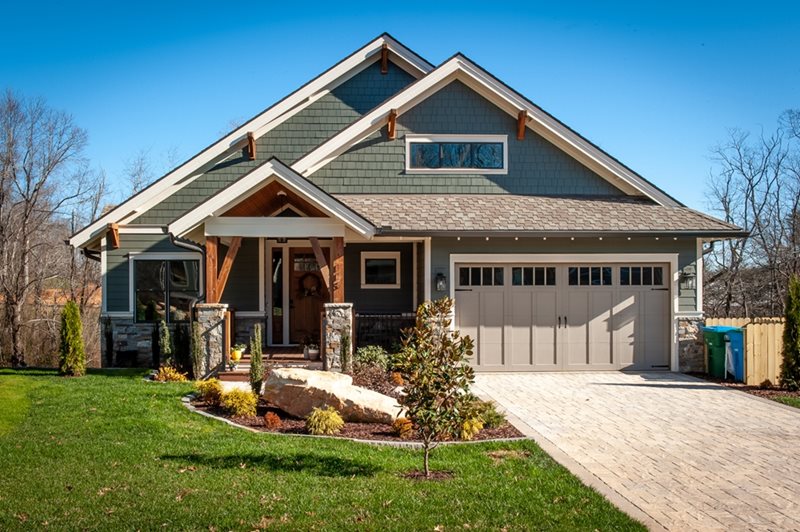
These fiber cement siding panels are engineered for sustainable, weather-resistant construction.
Details and Benefits:
-
Made from lightweight cement composites with recycled materials, reducing overall carbon content compared to traditional concrete.
-
Highly durable against harsh weather conditions.
Use Case and Solution:
Ideal for homes or buildings in tropical or extreme climates. These panels replace conventional vinyl or wood sidings that deteriorate quickly, offering a sleek and long-lasting finish.
Where to Buy:
Available at modern building supply outlets and online retailers in various sizes and colors.
3. Eco-Friendly Bamboo Flooring for Durability
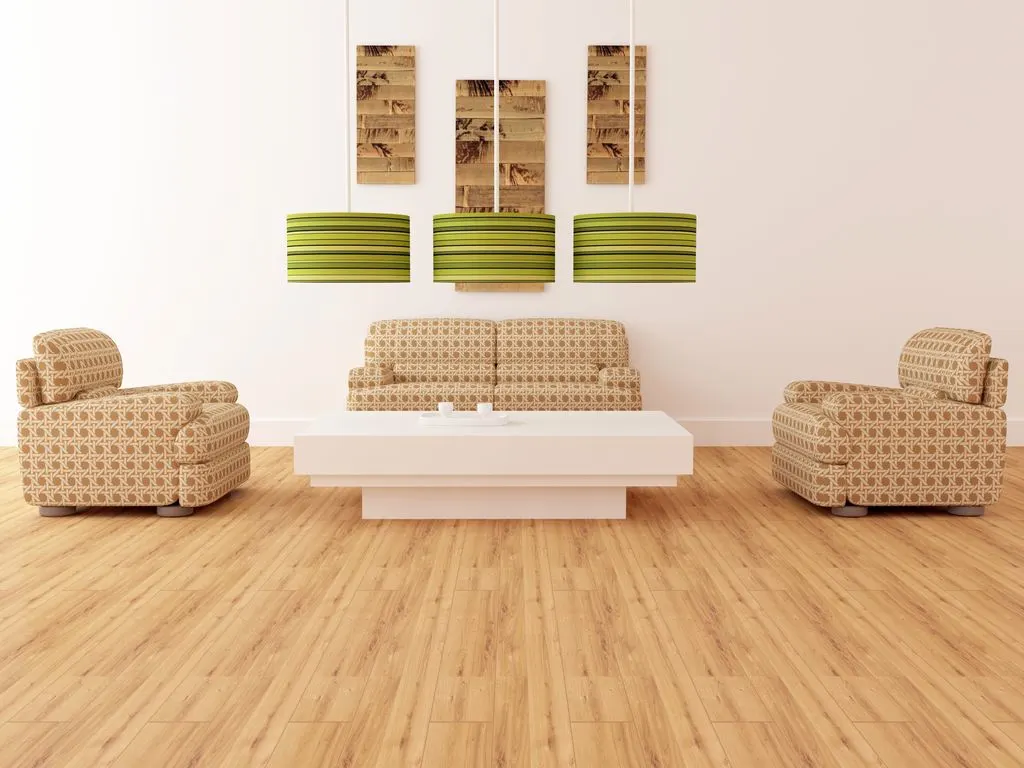
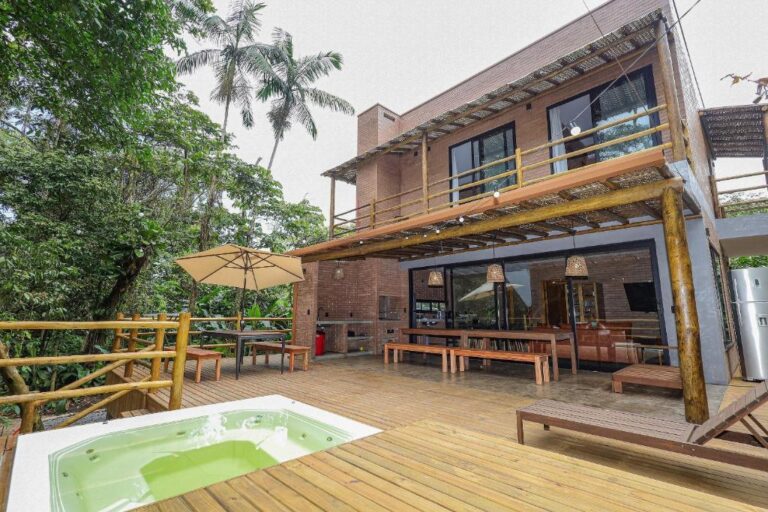
Outdoor bamboo flooring is designed for patios and decks exposed to direct sunlight and moisture.
Details and Benefits:
-
Specially treated bamboo for moisture and UV resistance.
-
More sustainable than hardwood alternatives sourced from tropical forests.
Use Case and Solution:
Perfect for tropical homes, villas, or outdoor cafés seeking a natural aesthetic with sustainable longevity.
Where to Buy:
Available at outdoor flooring specialty stores or eco-focused construction suppliers.
4. Woodlux Outdoor Cladding Ecopanel
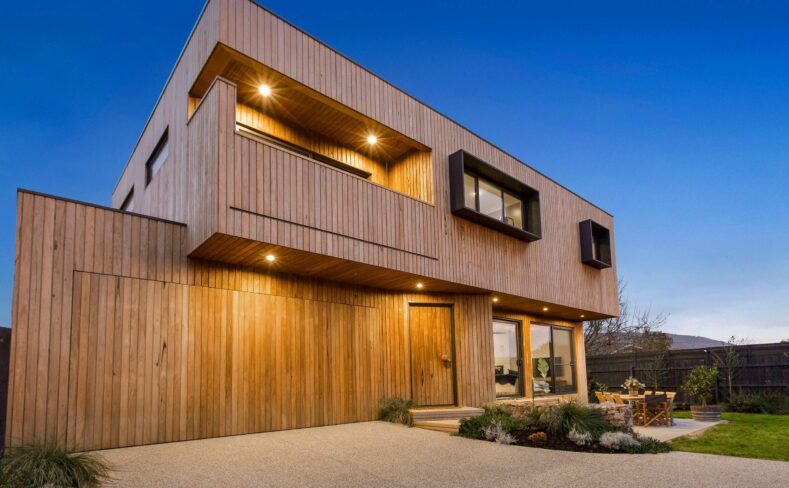
Ready-to-install wooden panels for exterior walls or facades.
Details and Benefits:
-
Provides a natural wood appearance while maintaining sustainability through responsibly sourced timber.
-
Enhances exterior aesthetics and reduces reliance on high-energy materials like metals or plastics.
Use Case and Solution:
Great for modern architecture projects emphasizing a natural aesthetic. This material helps reduce carbon impact while increasing architectural value.
Where to Buy:
Sold at premium construction retailers that offer certified wooden façade materials or through verified online distributors.
5. Stone Cladding CAUSSE – ORSOL Golden Beige
Natural stone cladding that brings timeless texture and durability to facades or interiors.
Details and Benefits:
-
Extremely durable and low-maintenance, supporting the “built-to-last” sustainability concept.
-
When locally sourced or certified, natural stone is far more eco-friendly than synthetic alternatives.
Use Case and Solution:
Ideal for commercial buildings, hotels, or luxury residences that prioritize long-term resilience and natural beauty.
Where to Buy:
Available at leading construction material suppliers or local stone distributors offering a range of textures and tones.
The Role of Technology in Sustainable Materials
Choosing green materials isn’t just about what they’re made of—it’s also about how technology enhances their performance and sustainability.
Energy Efficiency & Thermal Mass
Materials such as rammed earth walls or mass timber panels can absorb and release heat gradually, maintaining stable indoor temperatures with minimal HVAC use. Newer technologies further enhance insulation and thermal mass to maximize energy efficiency.
Recycling & Low Emission Production
Modern manufacturing enables the use of recycled materials like steel and glass, as well as carbon-capturing concrete that helps neutralize emissions. These innovations redefine construction as a potential climate solution, not just a contributor to emissions.
Health & Non-Toxic Materials
Low-VOC, chemical-free materials ensure better indoor air quality and occupant well-being. Advanced finishing technologies guarantee these green materials are both safe and visually appealing.
Why You Should Use These Materials
Problems They Solve:
-
Reduce excessive energy use through natural insulation.
-
Lower carbon emissions in building projects.
-
Cut long-term maintenance costs due to superior durability.
-
Improve indoor air quality and overall comfort.
Why They’re Popular Now:
With stricter environmental regulations and growing awareness of sustainable living, green materials are now more affordable and accessible. Choosing them isn’t just an ethical decision—it’s a smart business and investment strategy.
How to Buy Eco-Friendly Architecture Materials
-
Identify your project needs: indoor/outdoor, wall/floor, and local climate.
-
Check certifications: look for FSC, GreenGuard, or equivalent eco-labels.
-
Compare lifecycle costs: higher upfront prices often mean lower long-term expenses.
-
Hire skilled professionals: proper installation ensures performance and longevity.
-
Buy locally when possible: sourcing from nearby suppliers reduces transport emissions.
Frequently Asked Questions
1. Are eco-friendly building materials always more expensive than conventional ones?
Not necessarily. While the upfront cost may be higher, long-term savings on maintenance and energy efficiency often make them more economical over time.
2. How can I verify that a material is truly “eco-friendly” and not just greenwashing?
Check for credible certifications, transparency in production data, and reputable manufacturers. Avoid products without environmental declarations.
3. Are green materials suitable for tropical climates like Indonesia?
Absolutely. Many materials, such as outdoor bamboo, certified wood, and locally sourced natural stone, are designed for hot, humid environments. Proper treatment and installation ensure long-lasting performance.