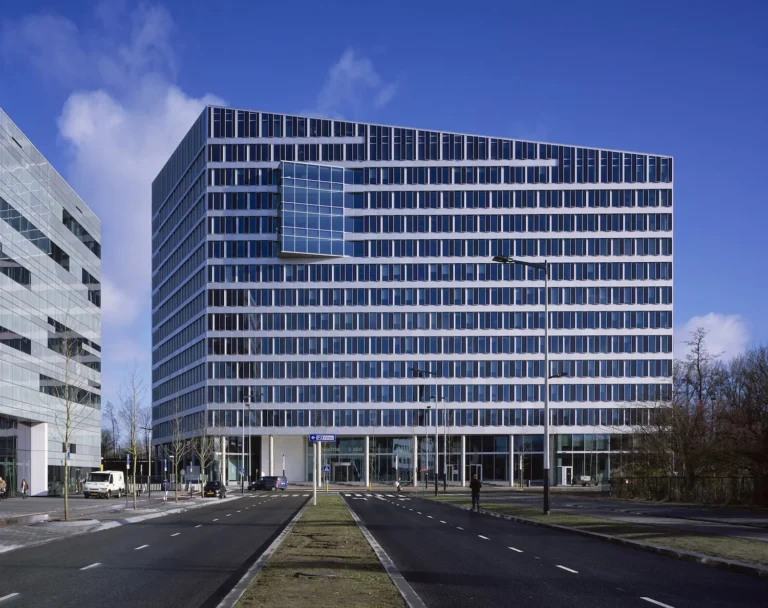
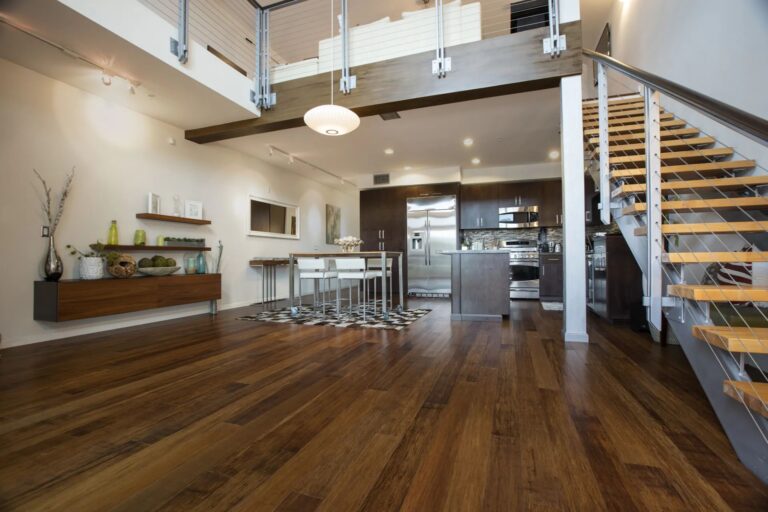
Advancing Environmentally Friendly Architecture: Sustainable Materials, Real-World Products & Smart Design Strategies
Environmentally friendly architecture embodies the design, construction, and operation of buildings in ways that minimize harm to the planet, reduce resource consumption, improve occupants’ health, and build resilience. It goes beyond simply using “green” labels: it addresses embodied carbon (the emissions embedded in the building materials and construction process), operational energy (the energy consumed during use), and lifecycle impacts (maintenance, reuse, demolition).
The building and construction sector is responsible for a significant share of global carbon emissions, partly because traditional materials like concrete and steel are hugely energy-intensive.
Adopting environmentally friendly architecture is not only about ethical design but also tangible benefits: lower utility bills, healthier indoor environments, improved asset resilience, and higher property values. The shift toward sustainable architecture is becoming mainstream, driven by stricter regulations, rising material costs, and consumer awareness.
In the following sections, we’ll explore key benefits of this approach, then dive into five real-world product examples of sustainable building materials, their use cases, how they solve specific problems, and how you can purchase them.
Benefits of Adopting Environmentally Friendly Architecture
Environmental benefits are the headline: fewer carbon emissions, improved resource efficiency, less waste, and lower environmental footprint. Using materials with lower embodied carbon or renewable sourcing reduces the overall climate impact of buildings. For example, employing materials like bamboo, rammed earth, or recycled steel can drastically cut emissions compared to traditional concrete and virgin steel.
Operational benefits flow from improved insulation, high-performance facade, and materials with strong thermal mass. These translate into lower heating/cooling use, stable indoor temperature, less reliance on mechanical HVAC systems, and thus lower running costs.
Health and occupant comfort benefits are also key. Sustainable architecture often emphasizes non-toxic materials (low-VOC paints, formaldehyde-free boards), better indoor air quality, daylighting, and natural ventilation. These improve well-being, reduce sick-building syndrome, and can boost productivity in workplaces.
From a business/asset perspective,e: green buildings often have higher resale value, better leasing rates, and qualify for sustainability certification (such as LEED, BREEAM), which adds market differentiation. The lifecycle cost savings and long-term durability of sustainable materials further strengthen the case.
Finally, adopting sustainable design increases resilience: lower dependency on external energy grids, better capacity to adapt to climate events, and more robust structures that last longer.
Real-World Sustainable Building Materials You Can Use
Below are five material/product examples suitable for environmentally friendly architecture. For each, we discuss details, benefits, use cases, and purchasing info.
Forever Bamboo Panel 4 ft × 8 ft

Details
The Forever Bamboo Panel is a large-format bamboo plywood panel (4 × 8 ft) made from rapidly grown, sustainably harvested bamboo. Bamboo is one of the world’s fastest-growing plants, making it a highly renewable resource. As a material, it offers strength, flexibility, and aesthetic appeal. Bamboo can be used for structural panels, interior wall finishes, flooring, and more.
Benefits & Technology
Using bamboo significantly reduces environmental impact versus many hardwoods because of its rapid regeneration. As part of a sustainable architecture strategy, it lowers embodied carbon and promotes renewable resource use. The panel also offers good structural performance and can be finished similarly to traditional plywood.
Use-Case / Problem Solved
When you need a panel product for walls or ceilings but want to avoid hardwood, which may come from unsustainable forests, a bamboo panel is a strong choice. It addresses the problem of deforestation, long-lead time timbers, and high embodied carbon. For an eco-friendly home or commercial interior, this panel delivers high foundational material quality with green credentials.
How & Where to Buy
Typically available via specialty building-material suppliers or online platforms. Check certifications (FSC, PEFC, or similar) and verify supplier shipping to your region.
Sustainable Fiber Cement Board
Details
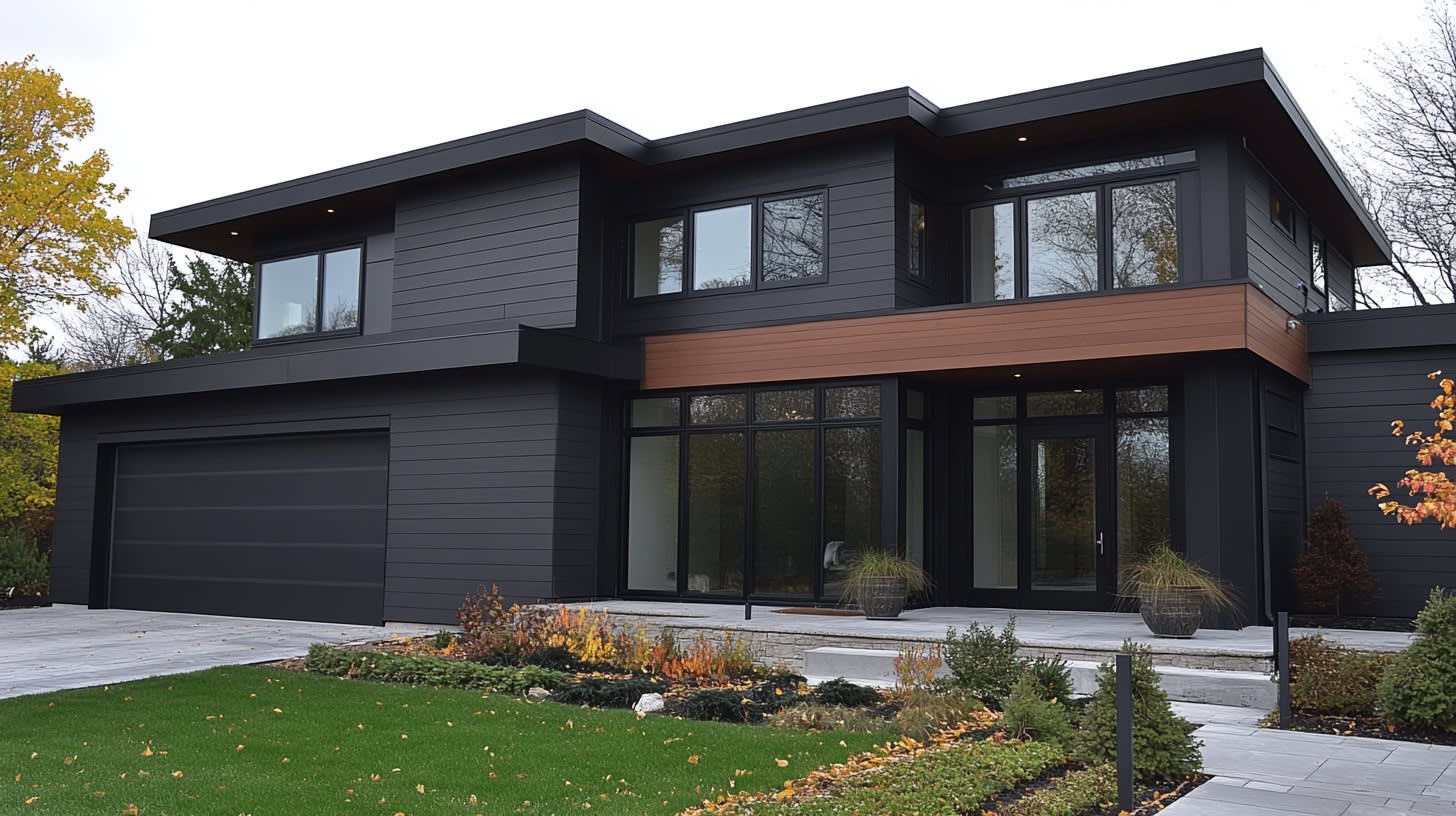
This fiber-cement board is designed for eco-conscious building solutions. It combines cement with recycled fiberssuch as recycled cellulose or fly ash) and offers a board format suitable for cladding, walls, partitions, or facade systems.
Benefits & Technology
Fiber-cement boards with recycled content reduce demand for virgin materials and lower embodied emissions compared to traditional cement boards. They are also moisture- and fire-resistant, durable, and low maintenance, key attributes in sustainable architecture where long-life performance matters.
Use-Case / Problem Solved
In hot or humid climates, building materials must resist moisture, mold, and degrade slowly. The sustainable fiber-cement board addresses this by offering a resilient panel solution without resorting to high-embodied-carbon materials. When designing an eco-friendly building envelope, this board balances durability and sustainability.
How & Where to Buy
Available via building-supply markets; verify product datasheet for recycled content percentage, emission certificates, and durability ratings.
Eco-Friendly Gypsum Board
Details
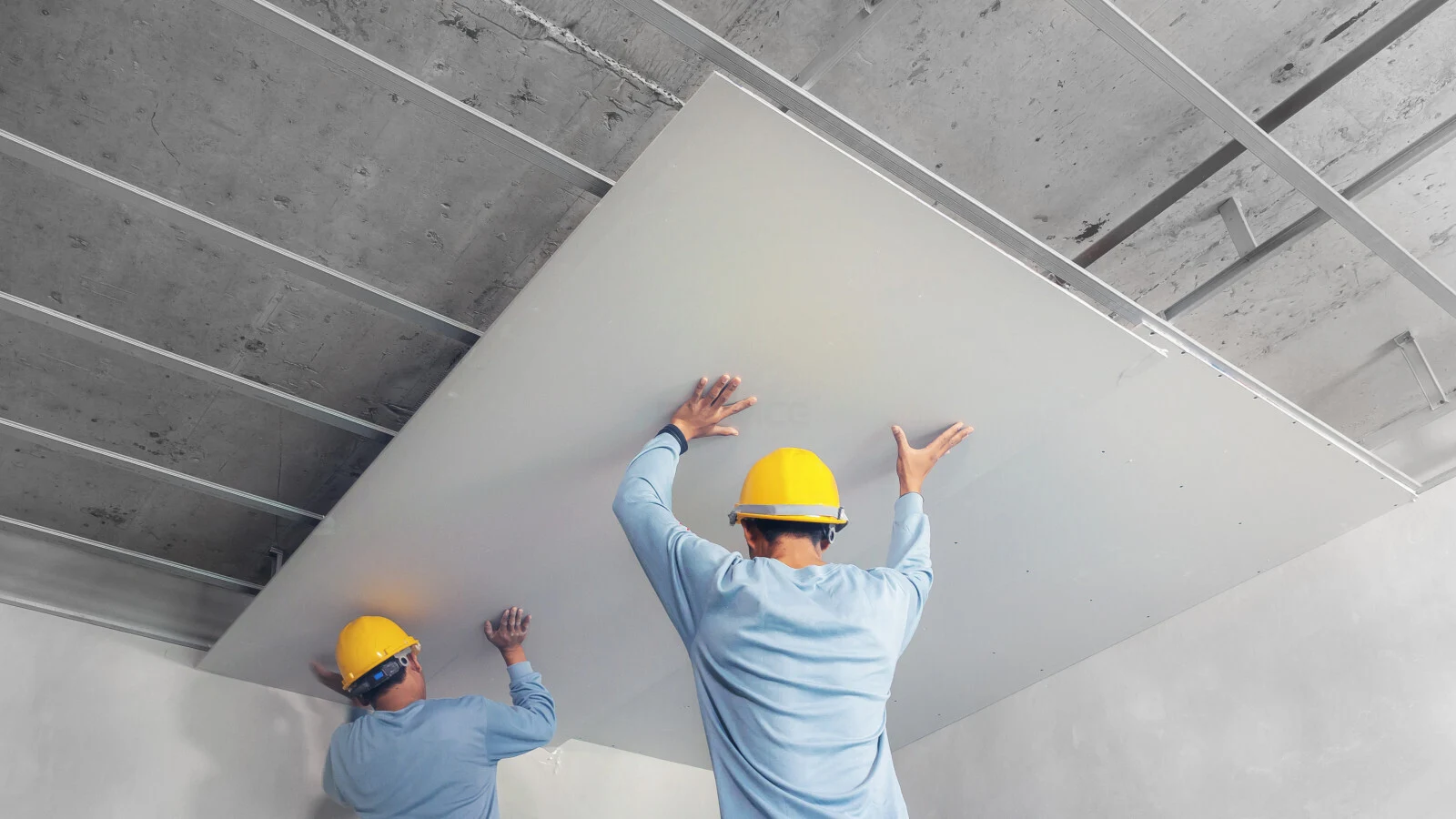
This is a gypsum board product marketed as an eco-friendly building material. It incorporates recycled gypsum and low-VOC finishes, designed for interior walls and ceilings.
Benefits & Technology
Choosing gypsum boards with recycled gypsum and low-emission binders means reducing waste and improving indoor air quality. Interior materials are a key part of sustainable architecture because they often carry hidden emissions from conventional products.
Use-Case / Problem Solved
Many buildings struggle with indoor air quality due to off-gassing materials. Traditional gypsum boards often involve virgin gypsum and chemical additives. Switching to an eco-friendly version solves waste material and health impact problems, making the building truly green.
How & Where to Buy
Available via specialist suppliers; check product certifications and delivery to your region.
Poly Lumber (Repurposed Plastic Material)
Details
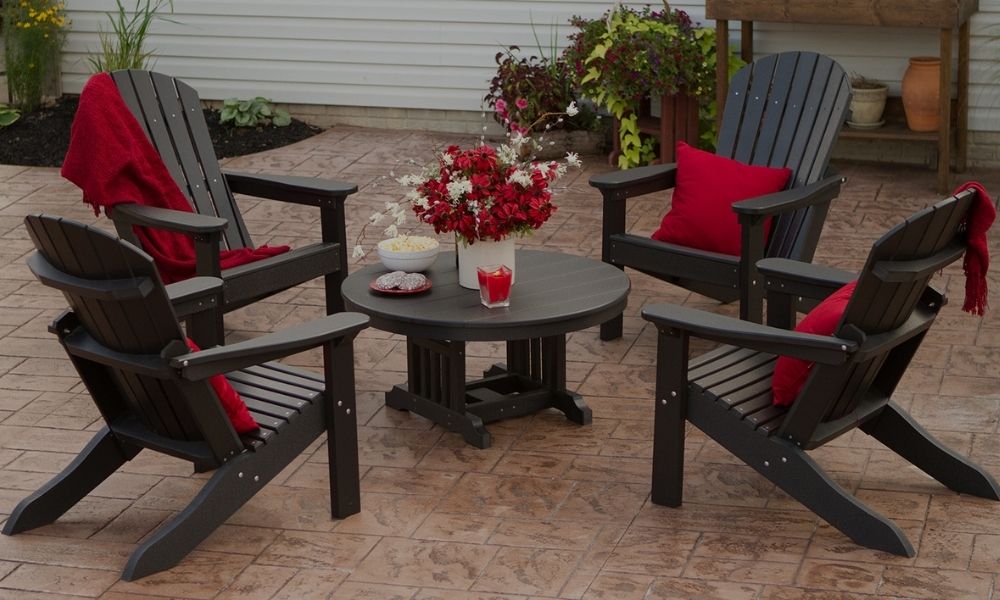
Poly Lumber is a building component made from recycled plastics (post-consumer and post-industrial). It mimics timber boards for decking, cladding, or trim but uses plastic waste as raw material.
Benefits & Technology
By using recycled plastic, this product reduces landfill burden, lowers demand for virgin wood, and avoids deforestation. It offers durability, rot resistance, termite resistance, and low maintenance.
Use-Case / Problem Solved
Outdoor decking and exterior trim are often high maintenance, prone to weathering, or insect damage in tropical climates. Poly Lumber provides a durable, weather-resistant alternative that also supports sustainability goals.
How & Where to Buy
Check for recycled content certification, structural rating, and warranty details. Many specialty merchants offer regional or global shipping.
Natural Bamboo Panels (Heavy Duty)
Details
These heavy-duty natural bamboo panels are premium structural or decorative panels made entirely from bamboo substrate. They are suited for wall cladding, ceiling pane, ls, or even furniture applications.
Benefits & Technology
These panels offer high strength, aesthetic warmth, and fast regeneration. They provide a renewable alternative to hardwood and can contribute to a lower-carbon building material list.
Use-Case / Problem Solved
Many interiors rely on hardwood for its finish and durability, but hardwood often comes with deforestation and higher embodied carbon. Bamboo panels provide similar visual and functional benefits with a better sustainability profile.
How & Where to Buy
Ensure the panels are from sustainably managed bamboo forests and check for relevant certifications.
Implementation Strategies for Sustainable Architecture
When designing or building with environmentally friendly architecture in mind, specify early: choose low-embodied-carbon materials, select local sources to reduce transport emissions, and choose long-lifetime, low-maintenance components.
Also, integrate performance-based design: high-performance insulation, passive solar orientation, natural ventilation, and efficient HVAC systems.
Material selection is one pillar; envelope design i another. Facades and cladding should support thermally efficient assemblies, solar shading, daylighting, and minimal waste.
Another strategy: incorporate lifecycle thinking. Consider end-of-life reuse, disassembly, and recycling. Avoid materials locked into landfill. Use modular systems, flexible design, and durable materials.
Lastly, engage contractors, suppliers, and clients in sustainability goals. Provide clear specs, verify certification, and monitor real-world performance.
Why People Need to Use Environmentally Friendly Architecture
Whether you’re a homeowner, developer, architect, or builder, choosing environmentally friendly architecture is increasingly essential. For homeowners, environmentally friendly architecture brings lower energy costs, healthier indoor air, and a higher property value.
Meanwhile, developers benefit by complying with green regulations, unlocking access to sustainable financing, and attracting eco-conscious tenants.
As for architects and builders, embracing sustainability helps them stay ahead of evolving mandates, stand out in a competitive field, and create high-performing buildings built to last.
In regions like Indonesia and globally, the climate-change imperative is strong: extreme weather, rising energy costs, and regulatory pressure mean that buildings cannot be ‘business as usual’. A sustainable building is a competitive advantage, socially responsible, and aligns with global climate goals.
Buying Guide & Where to Buy
How to buy
-
Define your specifications and ensure they meet sustainability criteria.
-
Look for certifications (FSC, PEFC, GREENGUARD, EPDs).
-
Ensure suppliers can ship to your region.
-
Confirm compatibility with your design and installation method.
-
Consider lifecycle cost vs upfront cost.
-
Use certified installers for best results.
Where to buy
-
Local specialty suppliers focusing on green products.
-
International marketplaces or direct manufacturers.
-
Request sample boards and prioritize local sourcing to reduce transport emissions.
Frequently Asked Questions
1. What makes architecture “environmentally friendly”?
It means the building is designed, constructed, and operated in ways to minimize harm to the environment—through low-embodied carbon materials, efficient operational systems, renewable energy use, healthy indoor environments, and lifecycle thinking.
2. Are sustainable materials more expensive?
Upfront cost can be higher, but lifecycle savings (energy efficiency, durability, low maintenance) make them cost-effective. They also improve asset value and performance.
3. How do I verify if a product is truly sustainable?
Look for third-party certifications (FSC for wood, GREENGUARD for low-emission products, EPDs for embodied carbon). Request data sheets, check recycled content, and confirm transparent sourcing.