Top Famous Sustainable Buildings: Global Icons of Green Architecture and Innovation
Sustainable architecture has evolved from a niche concept into a global movement. Today, the world’s most famous sustainable buildings are not just stunning works of art; they are technological masterpieces that reduce environmental impact while maximizing energy efficiency. From Singapore’s Gardens by the Bay to London’s The Crystal, these architectural marvels demonstrate how creativity and sustainability can coexist beautifully.
Understanding Sustainable Architecture
What Makes a Building Sustainable?
Sustainable architecture focuses on minimizing a building’s environmental footprint throughout its entire lifecycle. This includes the use of renewable energy, eco-friendly materials, efficient waste management, and sustainable design principles that harmonize with the local climate.
Green buildings often incorporate solar panels, rainwater harvesting systems, advanced insulation, and smart energy systems. These innovations help reduce resource consumption, lower emissions, and improve the overall well-being of occupants.
The Benefits of Sustainable Buildings
The advantages of sustainable architecture extend far beyond aesthetics. Environmentally conscious designs lower operating costs, conserve water and energy, and enhance air quality. For occupants, sustainable buildings provide better thermal comfort and healthier indoor environments.
On a global scale, sustainable buildings play a crucial role in combating climate change. They contribute to carbon neutrality goals, preserve natural resources, and promote sustainable urban living.
Top 5 Famous Sustainable Buildings in the World
Gardens by the Bay – Singapore

Located in the heart of Singapore, Gardens by the Bay is a world-renowned sustainable landmark that merges architecture with nature. Designed by Grant Associates and WilkinsonEyre, this project spans 250 acres and features the iconic Supertree Grove, Flower Dome, and Cloud Forest.
The Supertrees are vertical gardens ranging from 25 to 50 meters tall, equipped with photovoltaic cells that harness solar energy to light the park at night. The cooled conservatories use an efficient cooling system that saves energy while maintaining ideal plant conditions.
Benefits and Use Case:
Gardens by the Bay demonstrates how urban green spaces can reduce heat islands and improve air quality in dense cities. It serves as a model for future city planning, integrating biodiversity with public leisure.
Where to Visit:
Visitors can explore the park year-round and purchase tickets directly from the official website.
The Crystal – London, United Kingdom
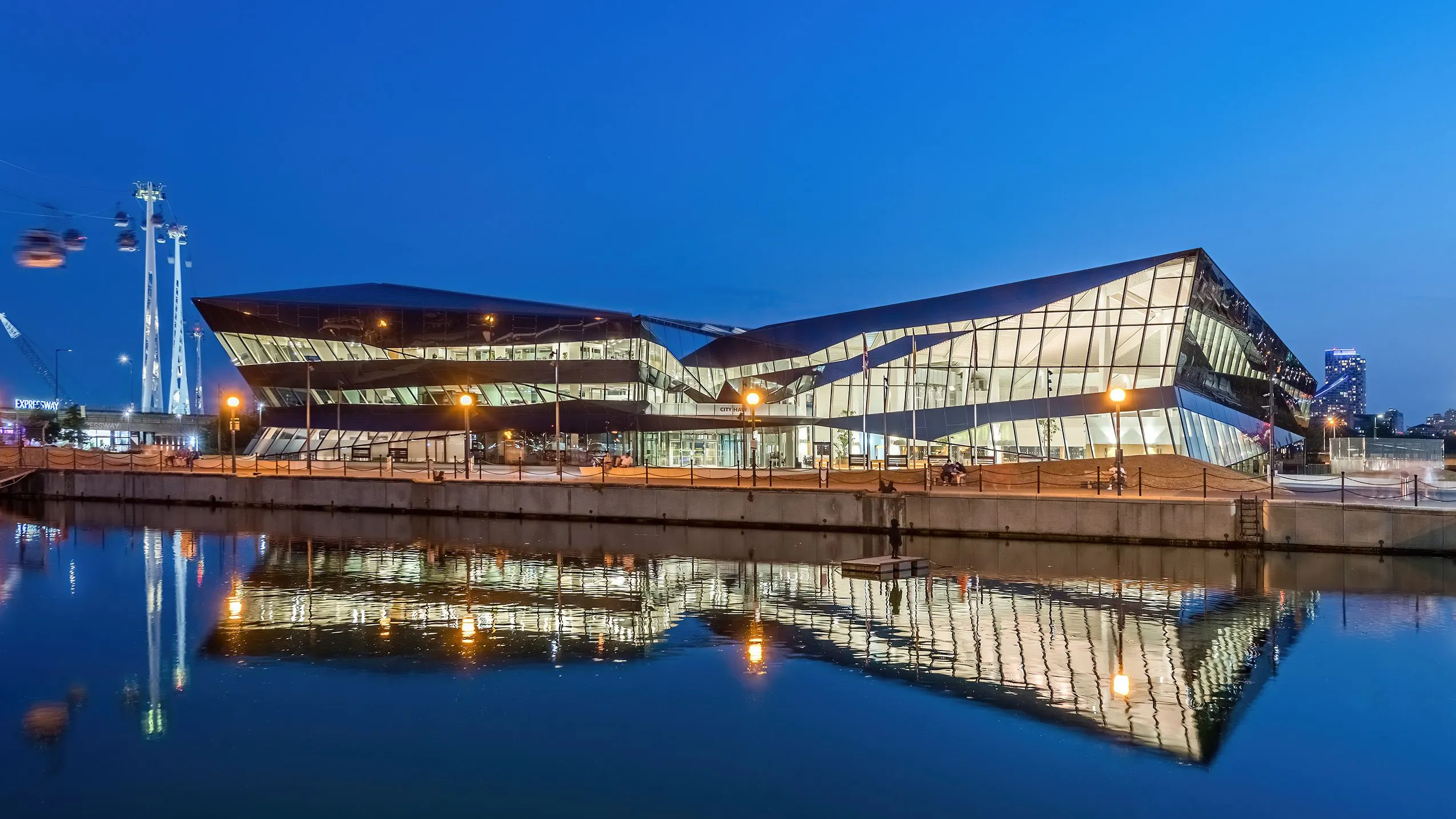
The Crystal in London is one of the world’s most sustainable office buildings, designed by WilkinsonEyre for Siemens. It showcases cutting-edge green technologies and serves as an exhibition center dedicated to sustainable urban development.
Powered entirely by electricity from renewable sources, The Crystal features rainwater harvesting, solar heating, and natural ventilation systems. It has achieved both BREEAM Outstanding and LEED Platinum certifications.
Benefits and Use Case:
The Crystal demonstrates how corporations can commit to sustainability through their physical infrastructure. It reduces operational carbon emissions and promotes public awareness about smart cities and sustainable technologies.
Where to Visit:
The Crystal is open to visitors and sustainability enthusiasts. Tickets and exhibition details are available on the official website.
The Edge – Amsterdam, Netherlands
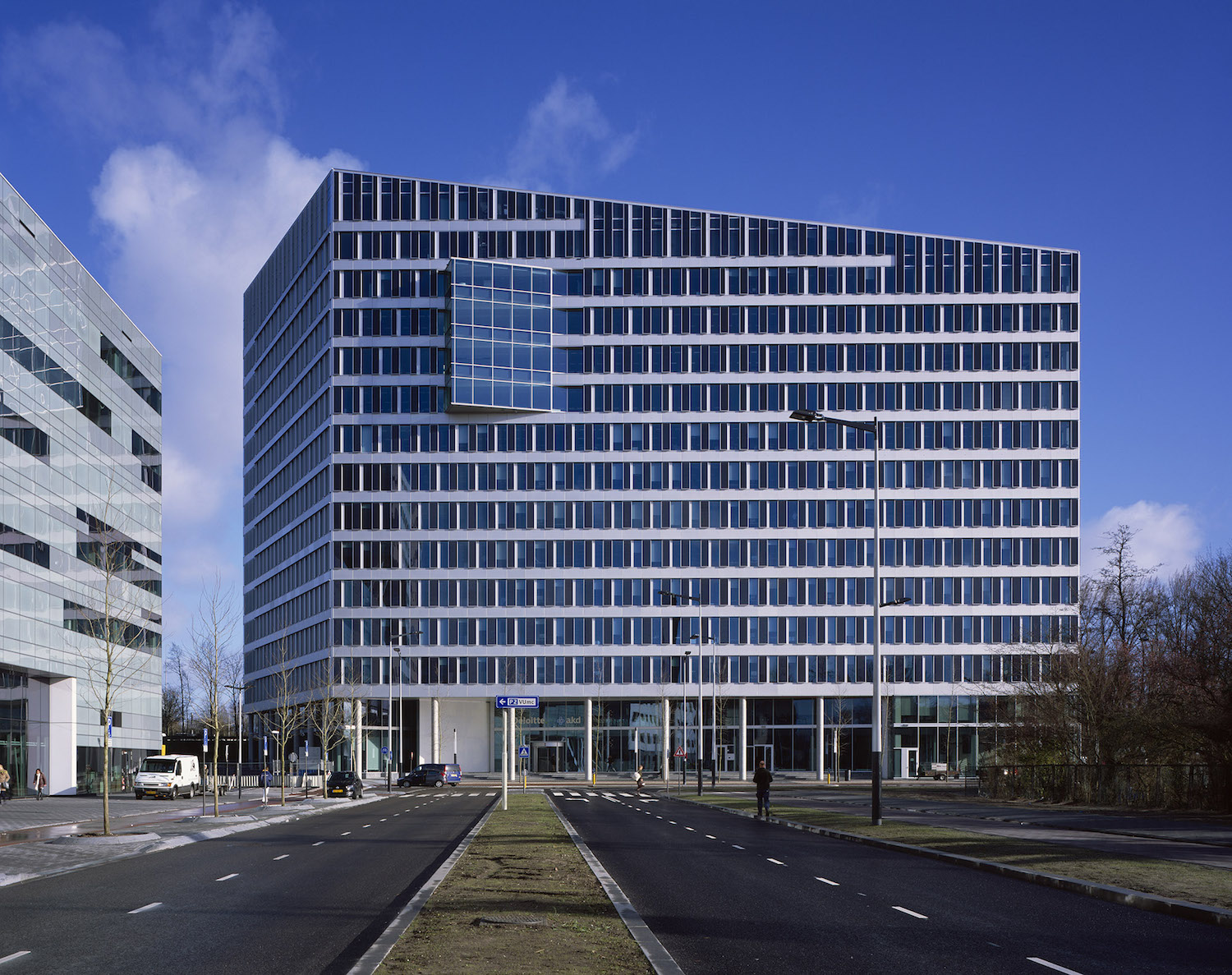
Known as one of the greenest office buildings in the world, The Edge in Amsterdam redefines workplace sustainability. Designed by PLP Architecture for Deloitte, it utilizes advanced technologies to minimize energy consumption.
The Edge features a smart lighting system powered by Philips, solar panels that generate more energy than the building consumes, and a rainwater collection system used for toilet flushing and irrigation. The structure also optimizes natural light to reduce artificial lighting needs.
Benefits and Use Case:
The Edge exemplifies how modern offices can combine technology with sustainability. It enhances employee productivity while reducing energy costs by up to 70%. The building is an ideal model for future corporate headquarters.
Where to Visit:
Although primarily an office building, virtual tours and case studies are available online.
Bosco Verticale – Milan, Italy
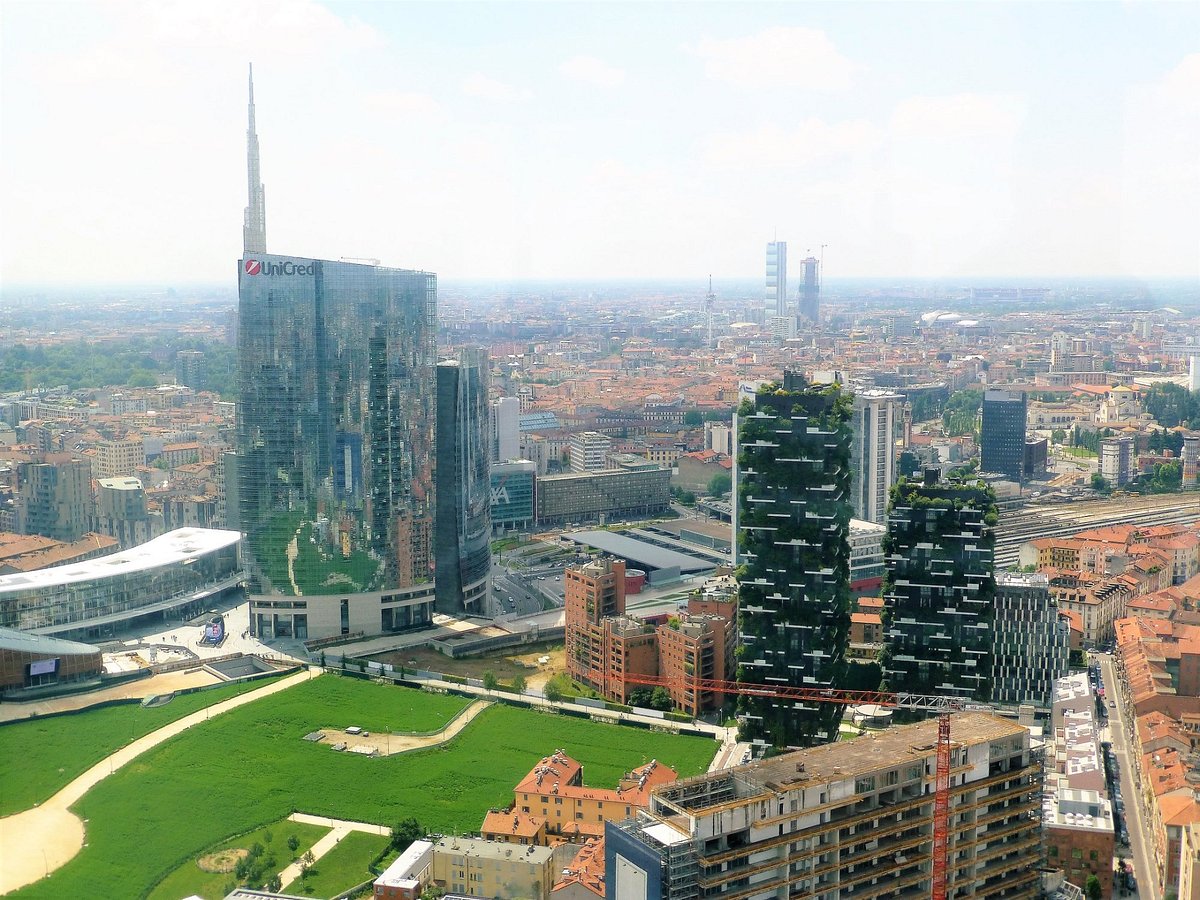
Bosco Verticale, meaning “Vertical Forest,” is a revolutionary residential complex designed by Stefano Boeri Architetti. It features two towers densely covered with more than 20,000 trees and plants that absorb CO₂ and release oxygen.
This design concept not only enhances urban biodiversity but also mitigates smog and reduces noise pollution. Each apartment benefits from natural shade and insulation provided by the vegetation.
Benefits and Use Case:
Bosco Verticale represents a step toward integrating forests within cityscapes. It provides residents with a healthier living environment while addressing air pollution and promoting biodiversity in metropolitan areas.
Where to Visit:
The towers are located in the Porta Nuova district and can be admired from various viewpoints around Milan.
One Central Park – Sydney, Australia
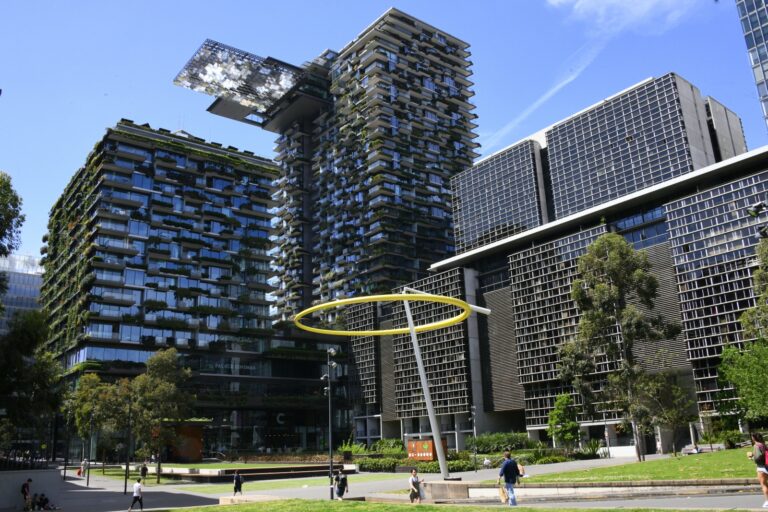
One Central Park is a mixed-use residential complex designed by architect Jean Nouvel and botanist Patrick Blanc. Its most distinctive feature is the vertical garden façade, which spans over 1,000 square meters of living plants.
The building incorporates solar panels, a heliostat system that reflects sunlight into shaded areas, and a tri-generation plant that produces electricity, heating, and cooling efficiently.
Benefits and Use Case:
This sustainable design addresses urban heat and promotes a greener lifestyle. It provides natural air purification and energy efficiency, setting a new benchmark for eco-conscious residential developments.
Where to Visit:
The building is open to the public for tours and shopping.
Why Famous Sustainable Buildings Matter
Driving Environmental Awareness
These architectural icons inspire governments, corporations, and individuals to invest in sustainable solutions. By demonstrating practical applications of green technologies, they pave the way for future innovations.
Economic and Social Impact
Sustainable buildings not only save money over time but also attract eco-conscious investors and tenants. They contribute to urban renewal, creating communities that prioritize both people and the planet.
How to Support or Visit Sustainable Buildings
To experience these architectural wonders, plan visits through their official websites. Many offer virtual tours, guided visits, and educational exhibitions. Supporting sustainable architecture helps encourage responsible development and environmental stewardship.
Frequently Asked Questions (FAQ)
1. What defines a sustainable building?
A sustainable building minimizes environmental impact by using renewable energy, efficient systems, and eco-friendly materials throughout its design and operation.
2. How do sustainable buildings benefit cities?
They reduce energy consumption, improve air quality, and promote a healthier urban ecosystem, making cities more livable and resilient.
3. Can individuals visit these famous buildings?
Yes, most sustainable buildings like Gardens by the Bay and The Crystal are open to visitors and often provide guided tours or exhibitions showcasing their technologies.