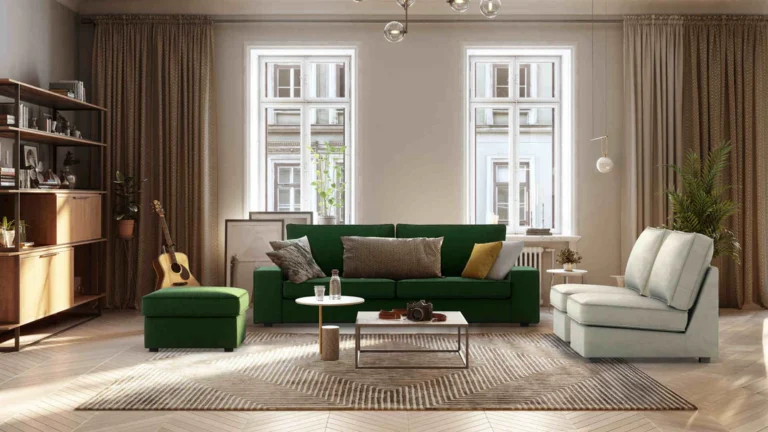
Minimalist Interior Design – Essential Furniture Solutions for Modern, Clutter-Free Living
Minimalist interior design is rooted in the philosophy of “less is more.” It emphasizes clean lines, essential furnishings, and neutral colour palettes, putting function and tranquility at the forefront.
In today’s homes, where space may be limited or shared between multiple functions (living, working, relaxing), this approach offers distinct advantages: improved flow, reduced visual noise, and a greater sense of calm.
Moreover, the trend toward minimalist design reflects broader shifts: desire for simplicity, sustainable choices (fewer, better items), and interiors that support wellbeing rather than distract.
Core Benefits of Embracing a Minimalist Interior
Space Optimization & Visual Clarity
By paring back unnecessary furniture and decor, minimalist interiors feel more spacious and open. Natural light plays a key role, as does careful selection of each piece so that nothing obstructs movement or sightlines. A less crowded room allows breathing room, not just physically but mentally. The removal of visual clutter means the eye lingers on shapes, textures, and forms rather than disparate objects, which fosters calm.
Easy Maintenance and Lasting Quality
Fewer items to care for means less effort spent on cleaning, organising, and rearranging. Minimalist design encourages durable, timeless furniture rather than trendy pieces that quickly feel dated.
When you invest in quality items that suit the style, you reduce the need to replace frequently, a benefit in both cost and environmental terms.
Enhanced Aesthetic & Mood
Neutral tones, natural materials, and simplicity define the aesthetic of minimalist interior design. These elements create a serene atmosphere while still allowing form and material to shine.
The result is a home that feels intentional, balanced, and in alignment with modern lifestyles focused on function, comfort, and aesthetic clarity.
How To Design a Minimalist Interior Space
Begin With A Neutral Colour Palette
Start the design by selecting foundational colours such as white, off-white, soft grey, beige, or taupe. These colours reflect natural light and help create a sense of openness.
Once the base is set, you may introduce subtle accents but keep them limited so the space retains its calm and uncluttered feel.
Choose Simple, Low-Profile, Functional Furniture
Furniture in a minimalist interior should have clean geometry, restrained design details, and ideally serve a dual purpose or offer storage. Decorative excess is discouraged.
For example, select a sofa with a low back and open legs to create visual lightness or a console with clean surfaces and concealed storage.
Use Natural Light and Materials Wisely
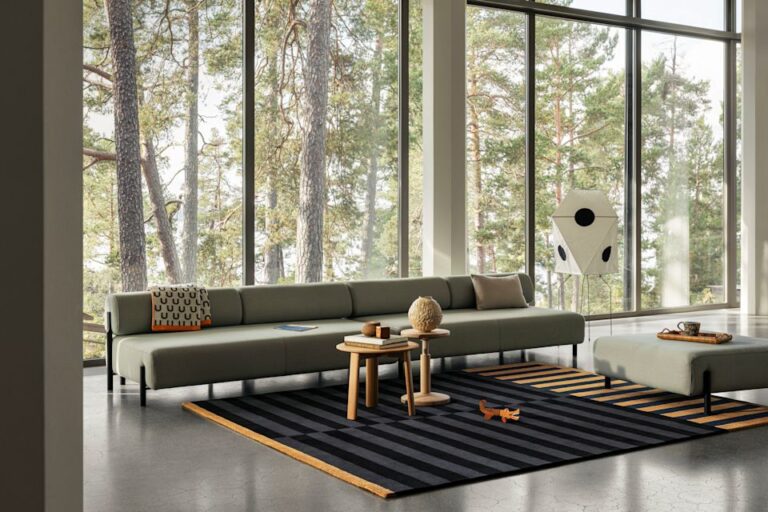
Large windows, unobstructed views, and minimal window treatments support a minimalist aesthetic. The choice of materials like wood, stone, or matte finishes enhances the tactile experience and visual harmony.
Don’t hide away material; let them be part of the design story, but keep them simple and unadorned.
Declutter, Curate and Emphasise Purpose
Minimalist interiors aren’t empty; they’re intentional. Every item should have a function or aesthetic value. Decorative elements should be few, thoughtfully chosen, and aligned with the overall calm.
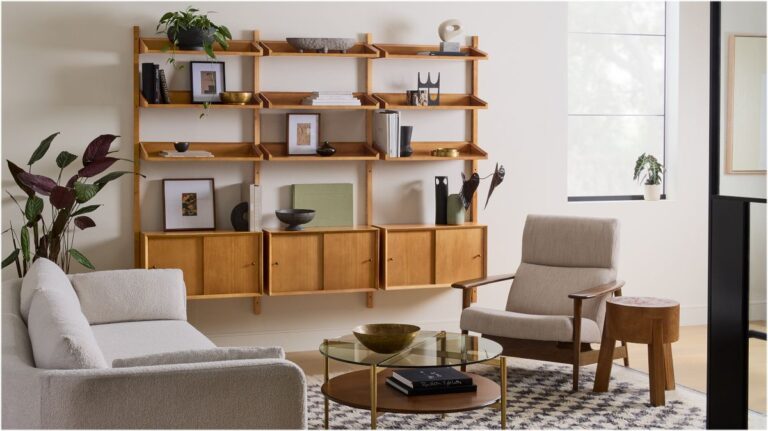
Storage solutions should be integrated so that everyday items don’t interrupt the visual flow of the space.
Five Real-World Furniture Picks That Complement Minimalist Interior Design
Here are five curated furniture items that align with minimalist interior design principles, each selected for its form, function, and simplicity.
HAY Tray Table
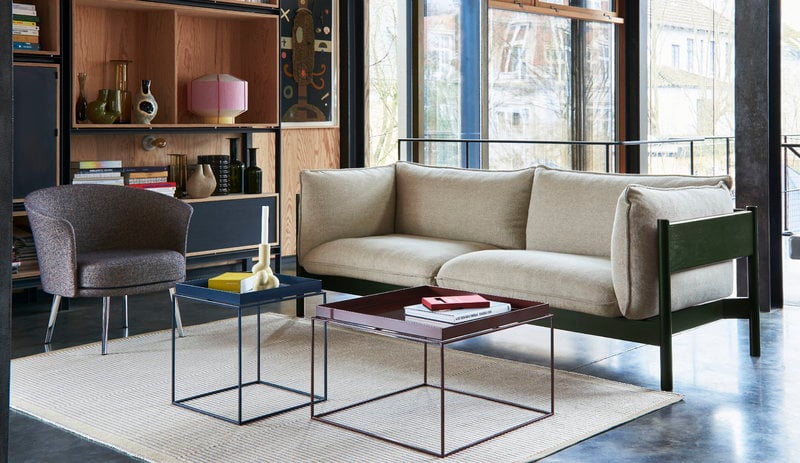
This accent table features a minimalist silhouette and a versatile tray-style top.
Benefits/use-cases: Ideal as a flexible surface in living areas, can serve as a side table, occasional table, or display surface. Its clean design means it won’t dominate the room or add visual weight.
Problems solved: If you currently use bulky or ornate side tables that interrupt the flow or create visual clutter, this table provides a sleek alternative that supports mobility and simplicity.
Why you need it: It adds function without distraction, aligning with minimalist values of essential items that serve a purpose.
How to buy/where: Available from design retailers worldwide; purchase via online store or local distributor.
Normann Copenhagen Bit Side Table
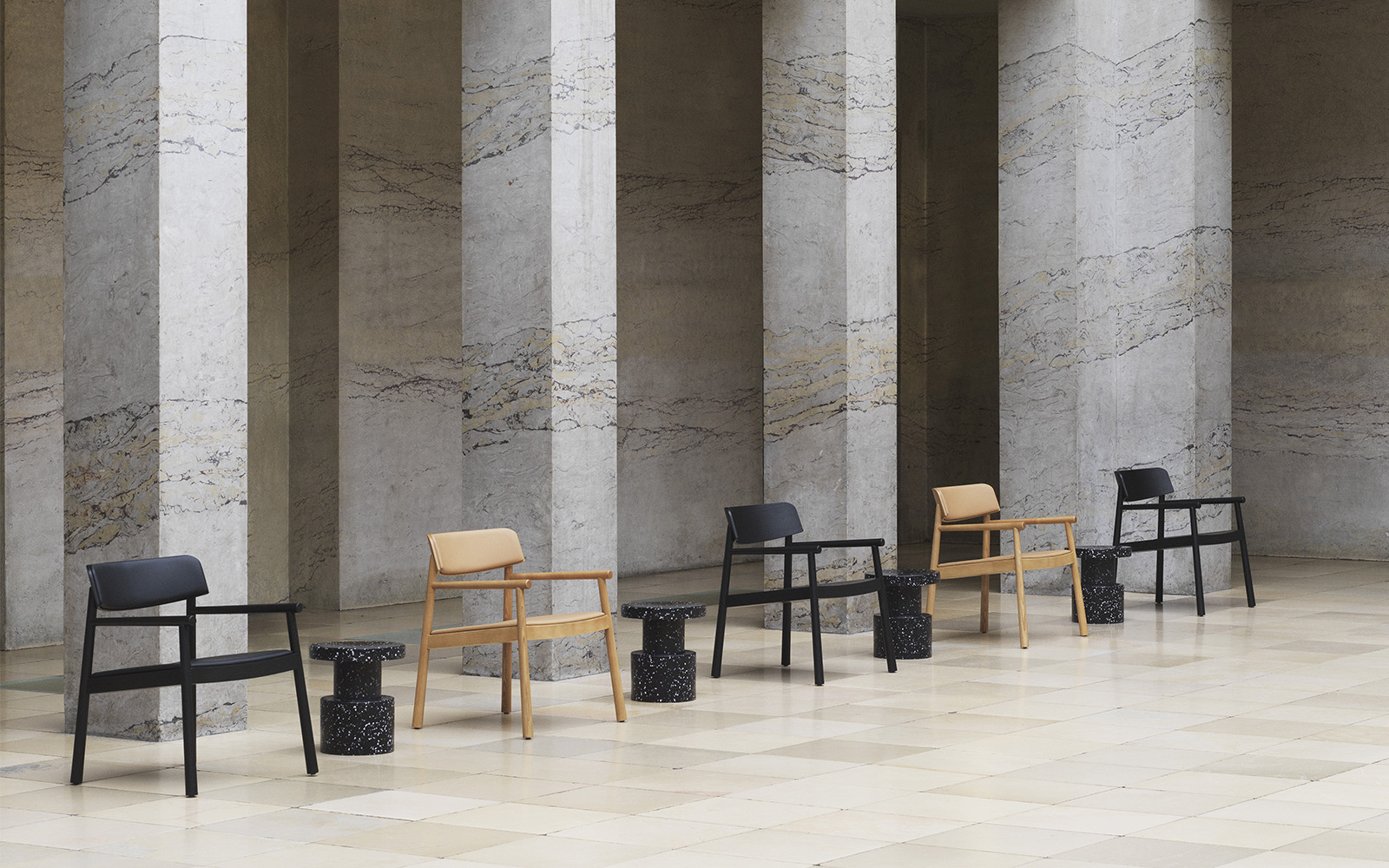
A compact side table with simple form and slender legs, designed for minimalist interiors.
Benefits/use-cases: Works well beside a sofa or bed as a low-impact surface. Its proportions ensure it doesn’t overwhelm a room.
Problems solved: Helps replace bulky tables that disrupt the clean geometry of minimalist rooms. It contributes to openness and ease of movement.
Why you need it: Minimalist interiors benefit from furniture that recedes rather than asserts; this piece provides utility while remaining visually light.
How to buy/where: Found via high-end design stores or online; look for shipping options that suit your region.
Matte Wooden Coffee Table & TV Stand Set
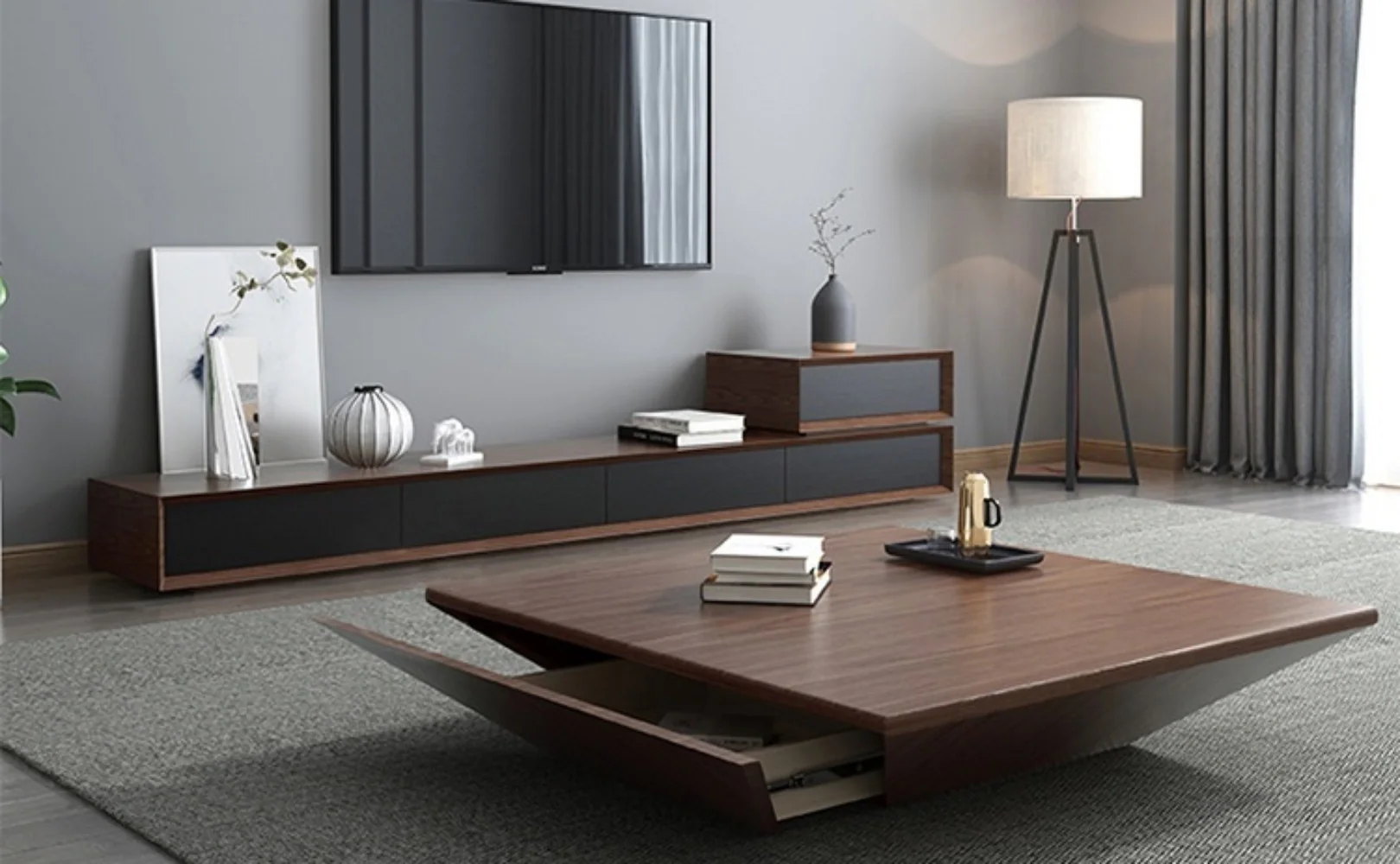
A matching set of coffee table and TV stand in matte wood finish, ideal for a cohesive minimalist living space.
Benefits/use-cases: Provides both a central table surface and a TV/display unit that shares the same aesthetic language, helping unify the space. The matte finish and wood texture balance warmth and simplicity.
Problems solved: If living room furniture is mismatched or visually busy, this set creates harmony and consistency, key to minimalist design. It also offers purpose-specific surfaces without extra ornament.
Why you need it: Minimalist design emphasises coordination and coherence; a furniture set like this simplifies planning and maintains the design integrity of the room.
How to buy/where: Available via specialised interior design furniture stores; ensure measurements align with your room dimensions before purchase.
Modern Minimalist Sofa (Generic)

A streamlined sofa with simple form, minimal detailing, and neutral upholstery suited for minimalist interiors.
Benefits/use-cases: Provides essential seating without visually cluttering the space. Its neutral tone and open legs enhance the perception of space, making it ideal for smaller rooms or flexible layouts.
Problems solved: Replaces bulky, heavy-looking sofas that dominate rooms and compromise mobility and visual balance.
Why you need it: In minimalist interior design, every major furniture piece should contribute to clarity and openness. This sofa does just that.
How to buy/where: Available on online platforms and furniture retailers; check fabric durability and leg clearance for ease of cleaning.
Avery Minimalist TV Buffet/Console
A minimalist TV console designed with clean geometry, hidden storage, age, and a low profile.
Benefits/use-cases: Serves as a media hub without dominating the room; hides cables and devices behind closed storage, preserving the minimalist aesthetic.
Problems solved: One of the major challenges in living rooms is clutter from electronics and wires. This unit helps contain that visual noise, supporting the minimalist principle of fewer visible distractions.
Why you need it: A key part of a cohesive minimalist interior is managing functional zones (like media) without them interrupting the visual flow. This console does precisely that.
How to buy/where: Found via furniture and home décor retailers; ensure dimensions and drawer mechanisms suit your setup.
How to Select and Purchase Furniture for Your Minimalist Interior
-
Measure your space carefully: Know dimensions and traffic flow to ensure furniture fits without overcrowding.
-
Choose materials and finishes that support the aesthetic: Look for natural wood, matte finishes, neutral upholstery, and minimal hardware.
-
Prioritise function over form: Every piece should perform well and align with your lifestyle; in minimalist design, function and beauty go hand in hand.
-
Check regional availability and delivery: Make sure the retailer offers shipping or local distribution.
-
Layer lighting and textures: Minimalist interiors benefit from soft lighting and tactile materials (wool rugs, linen cushions, natural wood) to avoid feeling cold.
-
Stick to a cohesive palette and form language: Furniture should align in style and colour to maintain harmony; avoid mixing drastically different aesthetics.
Conclusion
Minimalist interior design offers more than a clean look; it provides a lifestyle centered on purpose, clarity, and calm. Choosing functionally thoughtfully designed and visually restrained furniture, you create a home that’s both beautiful and comfortable.
The five furniture examples above provide tangible starting points for building a minimalist interior: accent tables, coffee/TV units, a sofa, and a console. Start with one key piece, then build gradually. The goal is not simply to have less, but to have the right items that truly belong in your space.
Frequently Asked Questions
1. Is minimalist interior design suitable for a family home with children?
Yes. A minimalist design can work well in a family home, provided you choose durable materials and smart storage. Having fewer items and integrated storage makes it easier to keep the space tidy. Though simplicity is key, the home should still feel warm and lived-in through touches such as textures and personal items.
2. How can I avoid a minimalist interior from feeling cold or sterile?
You can add warmth through soft textures (rugs, cushions), natural materials (wood, linen), and selective accents in colour or form. The key is to maintain simplicity but include subtle layers that invite comfort. Lighting, especially a warm, indirect glow, is also important to avoid harshness.
3. Do I have to replace all my furniture to achieve a minimalist interior design?
Not necessarily. You can start by decluttering and keeping only essential pieces that serve your lifestyle. Then, gradually replace or repurpose large items (sofa, TV unit, coffee table) with furniture aligned to a minimalist aesthetic. Over time, your space evolves without needing a full overhaul in one go.