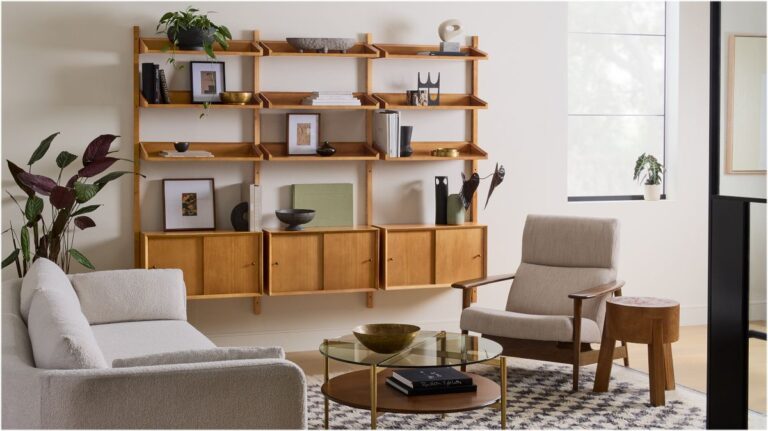
Minimalist Living Room – Functional & Aesthetic Furniture Solutions for Modern Homes
The minimalist living room is more than just a design trend; it’s a lifestyle choice. Rooted in the “less is more” philosophy, this approach emphasizes simplicity, function, and tranquility. It focuses on using only essential furniture and decor, with clean lines and neutral color palettes to create a calm and clutter-free environment.
In modern homes with limited space, this style brings multiple advantages: a sense of openness, easy mobility, and a soothing atmosphere. A minimalist layout helps small or multifunctional living spaces feel spacious and organized, making it perfect for urban living or family-oriented homes.
Key Benefits of a Minimalist Living Room
A More Spacious and Comfortable Room
By removing unnecessary furniture and avoiding visual clutter, minimalist living rooms feel larger and airier. Natural light flows freely, while low-profile furniture with clean geometry maintains balance and visual harmony. A low sofa or geometric coffee table, for example, creates a seamless sense of space.
Easier to Keep Tidy and Clean
Minimalist interiors are easier to maintain. When you only keep what’s necessary, it becomes effortless to clean and organize. Closed shelving units are ideal for concealing items you don’t want to display — helping maintain a clean, distraction-free look. The minimalist mantra remains true: “Fewer items, but better ones.”
Enhanced Modern and Serene Aesthetic
Neutral color schemes like white, soft grey, and beige dominate minimalist design. When combined with high-quality materials and natural textures, the space feels both warm and contemporary. Every element serves a purpose, contributing to an atmosphere of peace and balance.
Focus on Function and Quality
Minimalism encourages investing in furniture that combines beauty with utility — such as a sofa with hidden storage or a coffee table with open space below. Every piece should be useful, not merely decorative, promoting a clutter-free yet comfortable lifestyle.
When You Need a Minimalist Living Room
-
When your living area is small or doubles as another space (dining or home office).
-
When you crave calm, order, and less visual noise.
-
When you prioritize functionality, try flexible furniture, hidden storage, or easy maintenance.
-
When you often host guests and want your living space to feel open and welcoming.
Effective Design Tips for a Minimalist Living Room
Start with a Neutral Color Palette
Begin with foundational hues like white, beige, soft grey, or earth tones. These shades enhance natural lighting and allow furniture details to stand out. As minimalist designers advise: “Start with a neutral palette, and let light do the rest.”
Choose Simple, Low-Profile Furniture
Avoid overly decorative or tall furniture that overwhelms the space. Opt for low coffee tables, sofas with open legs, and closed storage racks to maintain order and spaciousness.
Use Multi-Functional or Hidden-Storage Furniture
Minimalism doesn’t mean emptiness; it’s about efficiency. Look for sofas with drawers, extendable tables, or closed shelving units. These smart designs help minimize clutter while preserving aesthetics.
Maximize Natural Lighting and Simple Windows
Allow as much sunlight as possible. Use lightweight curtains and keep window areas unobstructed. Clean lines and open layouts make your living room feel larger and more vibrant.
Curate Decoration Thoughtfully
Minimalism doesn’t ban decoration; it refines it. Choose one or two strong accent pieces, such as a statement artwork, a large plant, or a simple ceramic vase, instead of multiple small items that can overwhelm the visual balance.
Top 5 Real-World Furniture Recommendations for a Minimalist Living Room
Below are carefully selected real products ideal for minimalist living spaces — blending form, function, and timeless design.
Luma Cloud Sofa
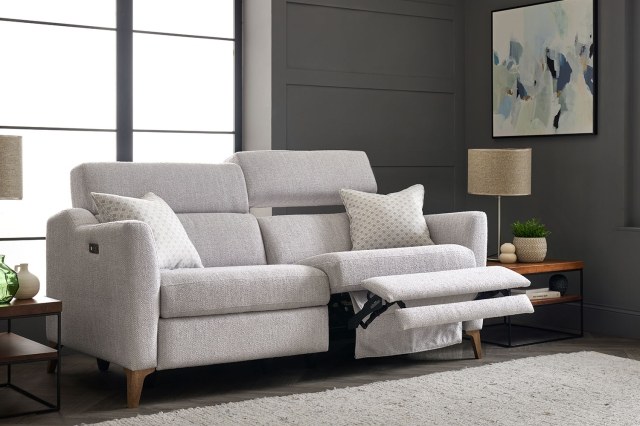
A modern sofa with soft beige fabric and clean lines. High-quality materials and open-leg construction give it a light and elegant profile.
Benefits: Perfect for minimalist spaces, this sofa is easy to match with neutral palettes and offers exceptional comfort without bulk.
Problems Solved: Ideal if your current sofa is oversized or heavy-looking. The Luma Cloud Sofa creates visual openness while maintaining coziness.
Why You Need It: It becomes the elegant focal point of your living room without sacrificing mobility or balance.
Prissilia Home Living Agenor Modern Wood Minimalist Sofa

A minimalist sofa with a natural wood frame, perfect for those who want a warm, organic element in their modern living space.
Benefits: Adds warmth to neutral interiors and keeps the room open with its sleek profile.
Problems Solved: If your living room feels too sterile or monochromatic, the wooden frame balances modern minimalism with natural comfort.
Why You Need It: Simple wooden furniture complements minimalist design without visual clutter.
Allison Minimalist Living Room Sofa Set (3-2-1 Grey)
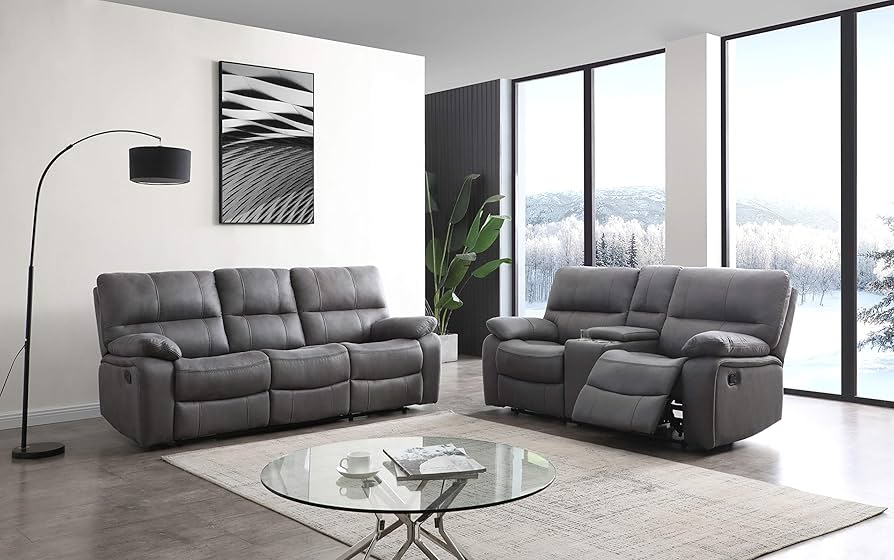
A 3-2-1 sofa set in modern grey, ideal for larger living rooms while maintaining a minimalist appeal.
Benefits: Offers flexible layout options for families or guests without overwhelming the space.
Problems Solved: If you need seating for multiple people but want to avoid cluttered arrangements, this set ensures organized comfort.
Why You Need It: Perfect for family interactions, gatherings, or modern apartments seeking both capacity and style.
Hem Alle Coffee Table – Large Oak
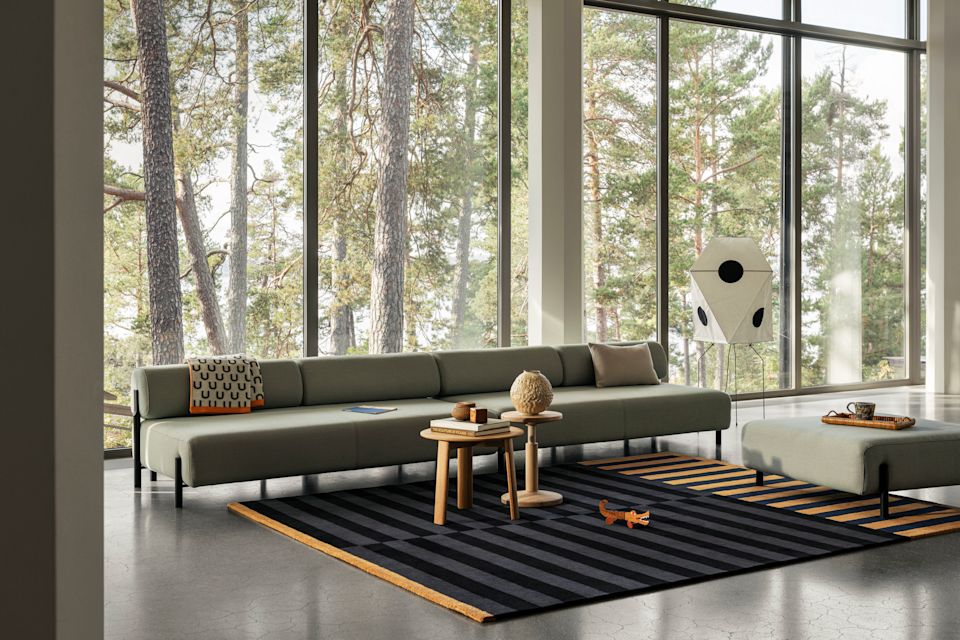
A minimalist oak coffee table with clean lines and slim legs is a must-have centerpiece for any minimalist living room.
Benefits: Serves as a functional centerpiece without dominating the space.
Problems Solved: If your current coffee table is bulky or visually distracting, this table offers refined simplicity and balanced proportions.
Why You Need It: The coffee table anchors the room. Choosing a minimalist piece helps maintain flow and openness.
JALG TV Stand
A sleek, minimalist TV/media stand with hidden storage and premium accessories is perfect for tech-friendly modern homes.
Benefits: Keeps electronics organized and discreet with a clean, contemporary design.
Problems Solved: Tired of messy cables and consoles cluttering your space? This unit conceals everything elegantly.
Why You Need It: It simplifies your entertainment area while keeping your living room visually balanced and functional.
How to Choose and Buy Furniture for a Minimalist Living Room
-
Measure Your Space First: Know your living room dimensions to maintain smooth traffic flow.
-
Choose the Right Materials and Colors: Go for natural woods, soft fabrics, and neutral colors.
-
Prioritize Function: Opt for items that offer storage or multiple uses rather than purely decorative pieces.
-
Buy from Trusted Retailers: Check product reviews, return policies, and delivery options for your area.
-
Consider Lighting and Layout: Avoid blocking windows or natural light sources.
-
Think Long-Term: High-quality minimalist furniture is a timeless investment that lasts for years.
Conclusion
A minimalist living room blends modern aesthetics, comfort, and practicality. By selecting the right furniture with simple lines, neutral tones, and functional features, you can transform any space into an elegant, clutter-free haven.
The products recommended abovefrom sofas to tables to TV stands, offer a perfect start for your minimalist journey. Begin with one essential piece and expand gradually. The essence of minimalism is not having less, but having what truly matters.
Frequently Asked Questions
1. Is a minimalist living room suitable for homes with children?
Yes. Minimalist furniture minimizes obstacles and hazards. Sofas with open legs make cleaning easier, while closed storage hides toys neatly. Just ensure materials are durable and safe for kids.
2. How can I prevent a minimalist living room from feeling cold or sterile?
Incorporate textures such as soft rugs, cozy fabric cushions, or greenery. Even one accent color or a warm wooden surface can make the space feel inviting without breaking the minimalist aesthetic.
3. Do all minimalist pieces have to come from the same collection?
No. Consistency in design language and color palette matters more than brand uniformity. As long as furniture shares clean lines and neutral tones, mixing brands works perfectly.