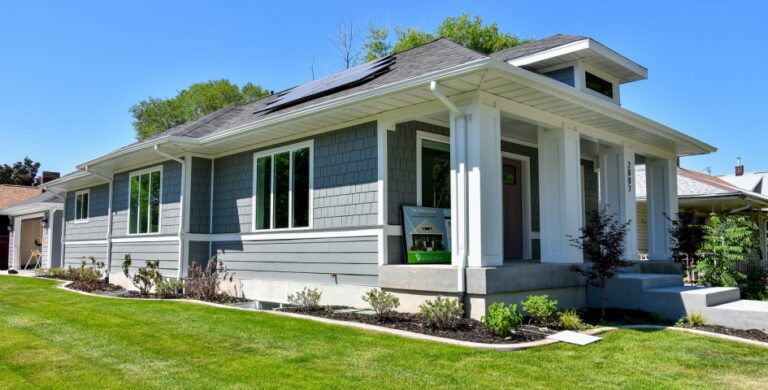
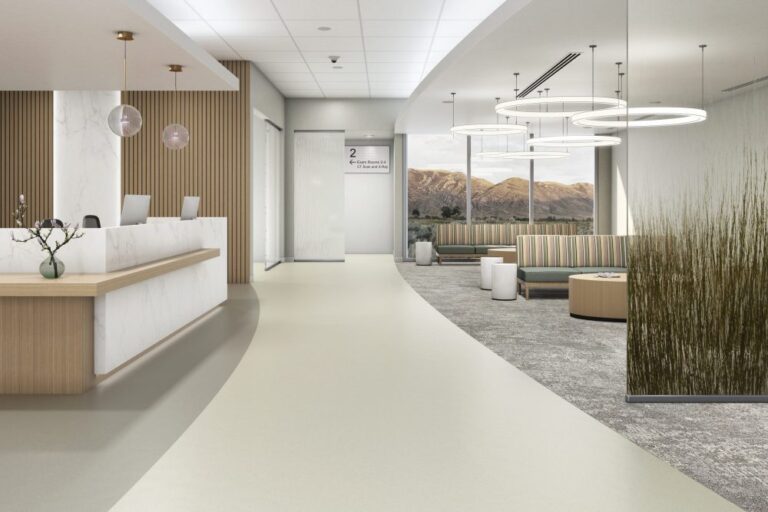
Sustainable Architecture Buildings: Innovative Design for a Greener Future
Sustainable architecture buildings are transforming the way we think about construction and urban living. By integrating eco-friendly materials, renewable energy sources, and advanced design technologies, these buildings not only minimize environmental impact but also improve efficiency, comfort, and long-term value.
What Is Sustainable Architecture?
Sustainable architecture focuses on minimizing the negative environmental impact of buildings by enhancing efficiency and moderation in the use of materials, energy, and development space. It’s about designing structures that coexist harmoniously with their environment, reducing carbon emissions, and utilizing renewable resources.
The Core Principles of Sustainable Architecture
Sustainable architecture is built upon key principles such as energy efficiency, renewable energy use, sustainable materials, waste reduction, and occupant health. Architects design these buildings to last for generations while maintaining minimal ecological footprints.
Why Sustainable Buildings Matter
Sustainable architecture buildings play a crucial role in reducing global carbon emissions. They promote cleaner air, reduce energy consumption, and support sustainable urban development. As global warming intensifies, eco-friendly construction practices have become a necessity, not a luxury.
The Benefits of Sustainable Architecture Buildings
Environmental Benefits
Sustainable buildings reduce greenhouse gas emissions through energy-efficient systems, solar panels, and eco-conscious materials. They also use water-saving technologies like greywater recycling, promoting responsible resource use.
Economic Benefits
While initial costs may be higher, sustainable buildings offer significant long-term savings through reduced utility bills and maintenance costs. They also have higher property values due to the growing demand for green-certified real estate.
Social and Health Benefits
Green buildings improve indoor air quality, regulate temperature, and use natural light, leading to healthier living and working environments. Occupants report fewer respiratory issues and higher productivity levels.
Top 5 Real-World Examples of Sustainable Architecture Buildings
The Crystal, London
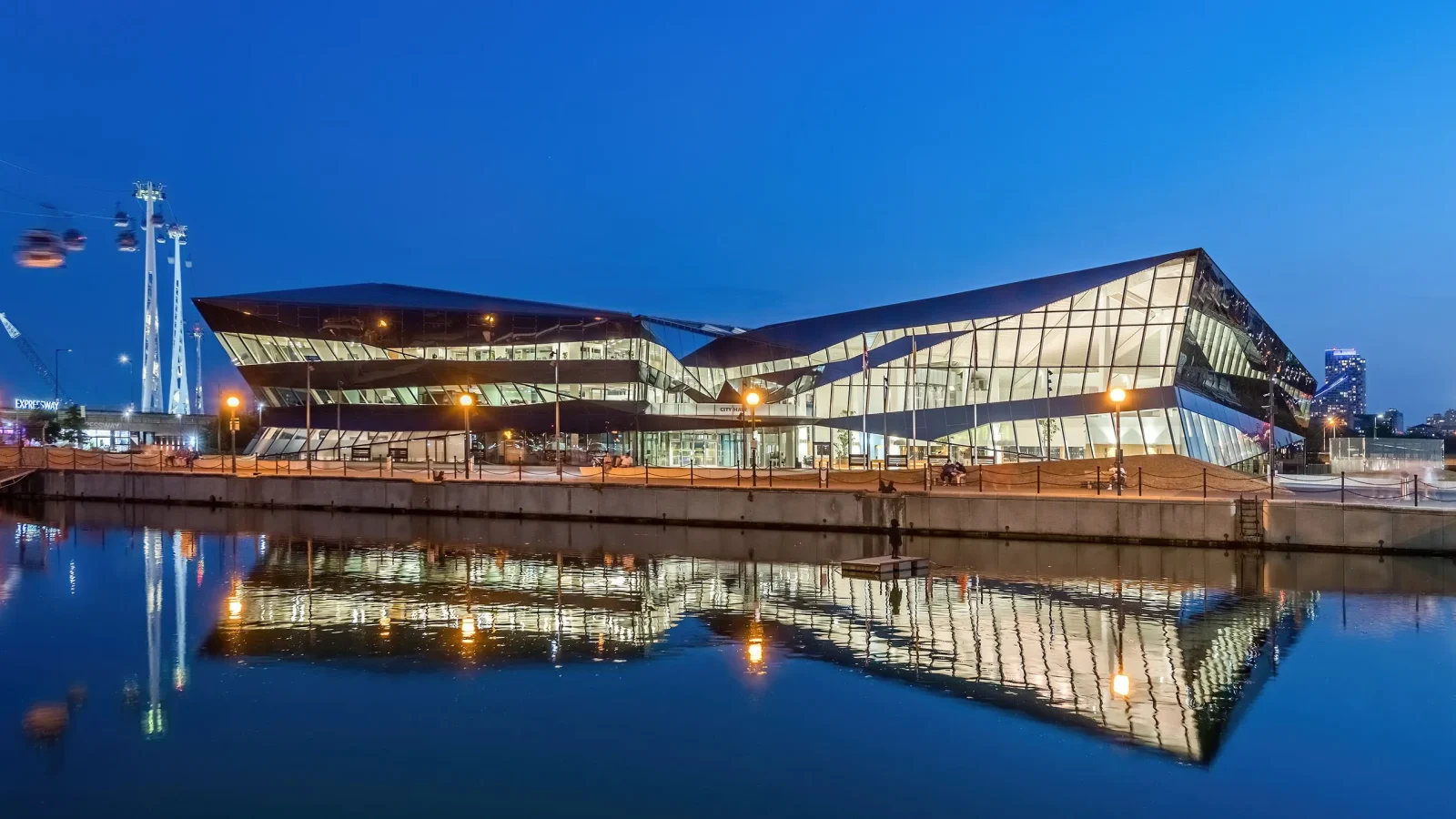
The Crystal, located in London, is one of the world’s most sustainable buildings. It utilizes solar power, rainwater harvesting, and smart energy systems to achieve complete self-sufficiency. Designed by WilkinsonEyre, The Crystal showcases the potential of net-zero carbon architecture.
Benefits and Use Case:
The building demonstrates how urban infrastructure can operate sustainably without sacrificing functionality or design. It serves as an exhibition center for sustainability, inspiring future architectural projects worldwide.
How to Buy and Where:
Learn more about sustainable design principles used in The Crystal from its official resources.
Bullitt Center, Seattle
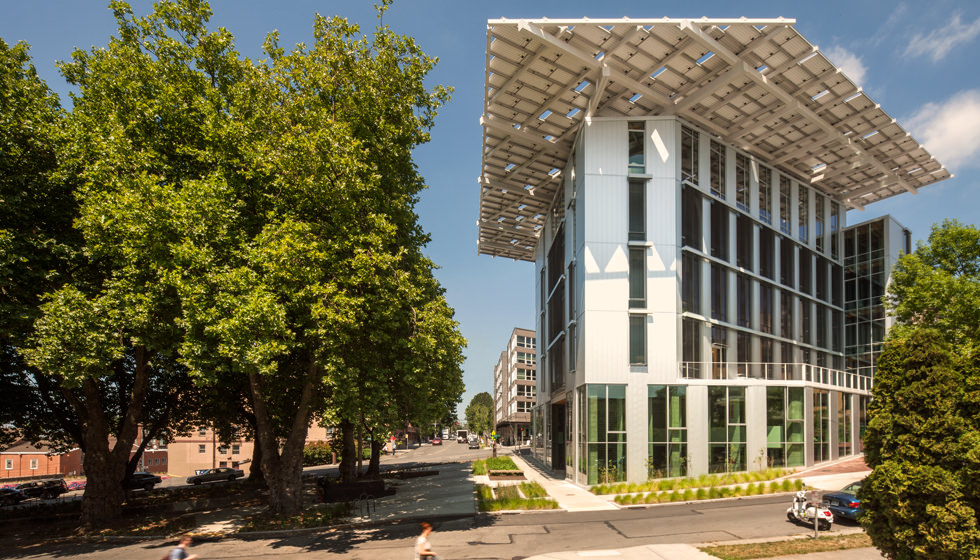
Often called “the greenest commercial building in the world,” the Bullitt Center in Seattle generates its own energy via rooftop solar panels and manages water through an on-site treatment system. It’s a model of how commercial properties can achieve zero-waste goals.
Benefits and Use Case:
The Bullitt Center demonstrates how renewable energy integration and smart material use can reduce operational costs and improve sustainability. It’s an example for businesses aiming for net-zero buildings.
How to Buy and Where:
Learn more about sustainable commercial design from available green architecture sources.
One Bryant Park, New York
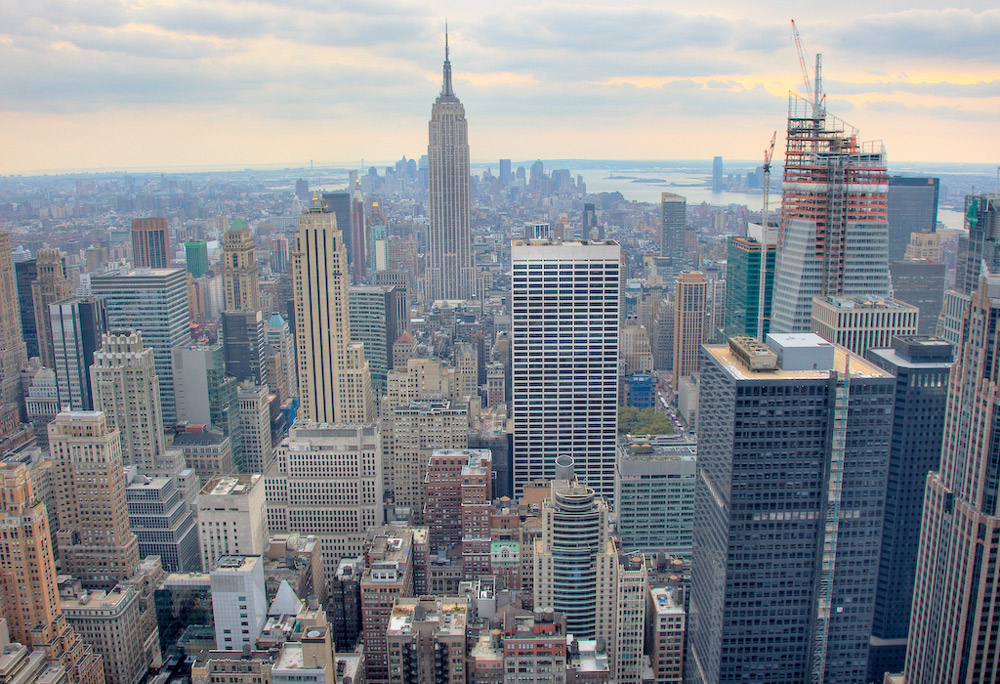
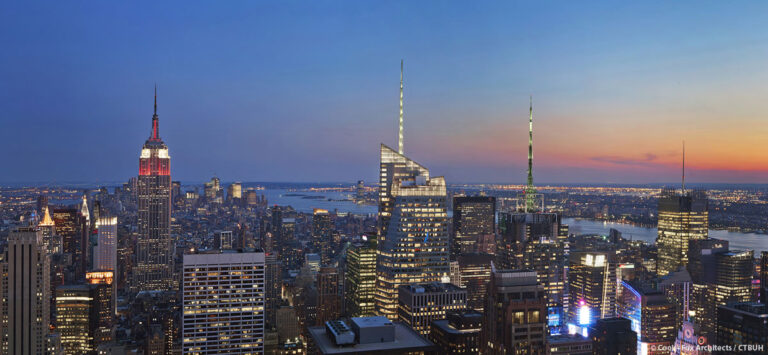
One Bryant Park was the first skyscraper to achieve LEED Platinum certification. It features a state-of-the-art air filtration system, water recycling, and on-site power generation through a 4.6-megawatt cogeneration plant.
Benefits and Use Case:
This building proves that sustainability and urban density can coexist. It’s an excellent model for integrating advanced energy technology within high-rise environments.
How to Buy and Where:
Discover sustainable office solutions inspired by One Bryant Park through architecture case studies.
The Edge, Amsterdam
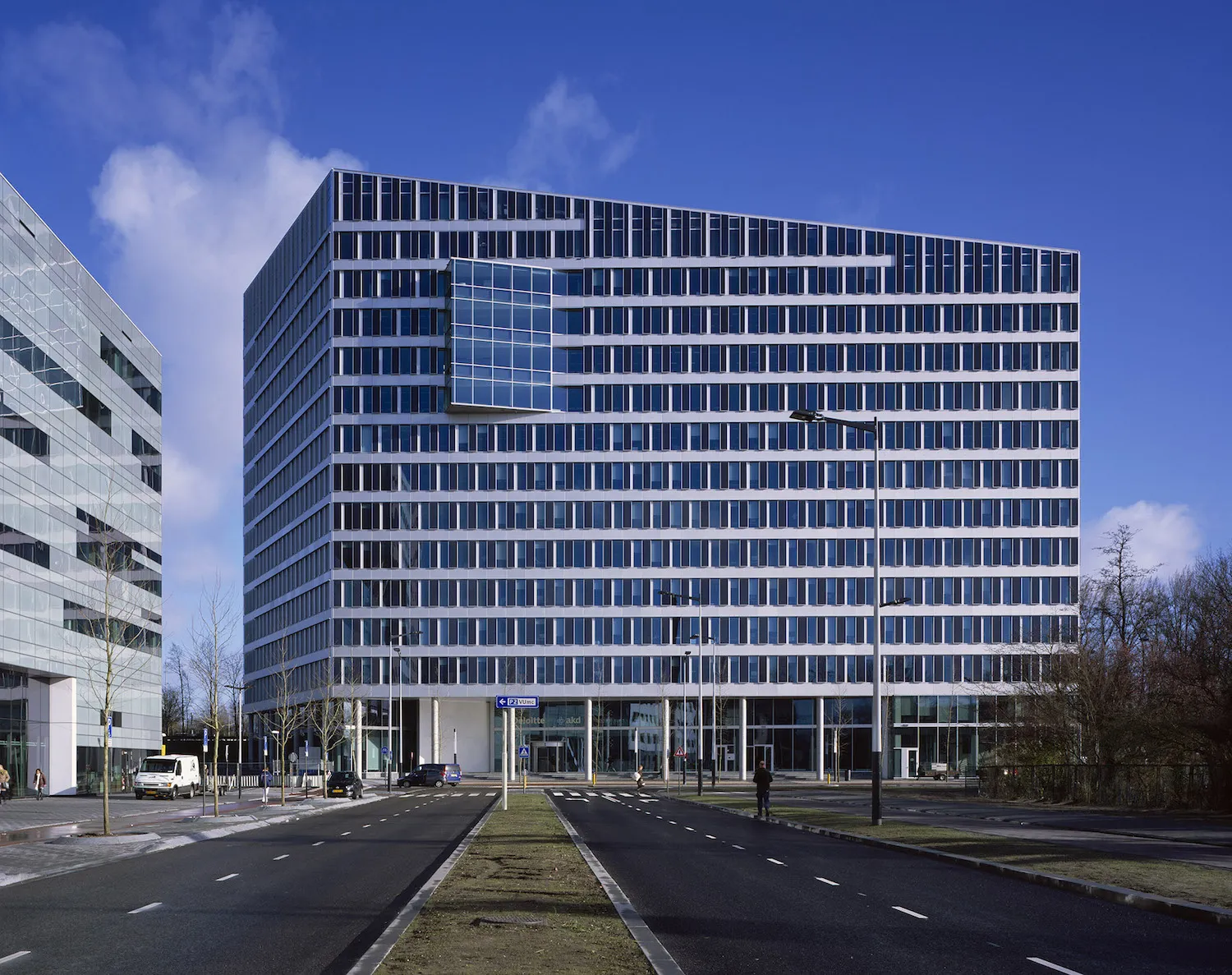
Dubbed the world’s most intelligent building, The Edge uses solar energy, smart lighting systems, and data-driven energy management to maintain efficiency. It’s home to Deloitte and has become a benchmark for sustainable smart offices.
Benefits and Use Case:
The Edge maximizes energy use through advanced automation, creating a balanced ecosystem for workers and the environment. Its smart sensors help reduce energy waste while optimizing comfort.
How to Buy and Where:
Explore sustainable technology solutions inspired by The Edge through verified design references.
Bosco Verticale, Milan
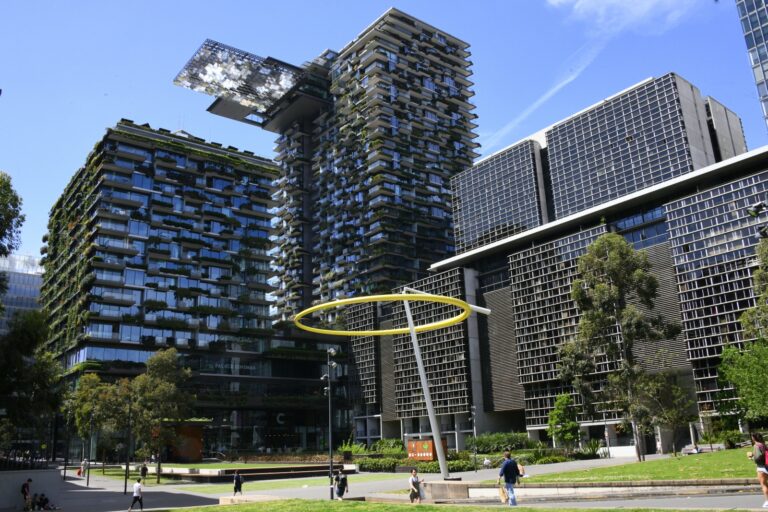
Bosco Verticale, or the “Vertical Forest,” is a residential building complex in Milan that integrates over 900 trees and 20,000 plants into its design. It transforms urban spaces into living ecosystems that combat pollution and promote biodiversity.
Benefits and Use Case:
This design helps purify city air and provides natural insulation, reducing the need for artificial heating and cooling. It’s an innovative solution for cities struggling with air quality and green space limitations.
How to Buy and Where:
Learn about sustainable residential projects like Bosco Verticale from green building publications.
How to Adopt Sustainable Architecture in Your Projects
Transitioning to sustainable architecture begins with using renewable materials such as bamboo, recycled steel, and low-VOC paints. Combining these with smart home technologies like energy-efficient lighting and HVAC systems helps create greener living spaces.
Sustainable Materials to Consider
- Bamboo and reclaimed wood for structural elements.
- Low-emission glass for natural lighting and insulation.
- Recycled concrete and steel for eco-conscious durability.
Steps to Integrate Green Technologies
- Install solar or wind power systems.
- Use smart sensors for temperature and lighting control.
- Implement rainwater collection and greywater systems.
- Choose eco-certified materials during construction.
Where to Buy Sustainable Building Solutions
For eco-friendly construction materials and smart home technology, consider visiting trusted sources for sustainable design supplies and equipment.
Each offers a range of certified products that support LEED and green building standards.
Frequently Asked Questions
1. Are sustainable buildings more expensive to construct?
While initial costs may be higher, sustainable buildings save money over time through energy efficiency, reduced maintenance, and higher resale value.
2. Can old buildings be retrofitted for sustainability?
Yes. Existing structures can be upgraded with solar panels, better insulation, and water-efficient systems to improve sustainability.
3. How do sustainable buildings impact human health?
Green buildings improve air quality, reduce exposure to toxins, and provide better natural light, resulting in healthier and more productive occupants.