Sustainable Interior Architecture: Eco-Friendly Design Trends and Smart Solutions for Modern Spaces
The world of architecture is rapidly embracing sustainability as a core design principle, and interior spaces are no exception. Sustainable interior architecture combines aesthetics, functionality, and environmental responsibility to create spaces that are both beautiful and eco-friendly. From recycled materials to energy-efficient lighting, this design philosophy focuses on reducing the carbon footprint while enhancing human comfort.
Understanding Sustainable Interior Architecture
What Is Sustainable Interior Architecture?
Sustainable interior architecture focuses on designing indoor environments that minimize environmental impact throughout their lifecycle. It involves selecting renewable materials, optimizing natural light, and integrating smart energy systems to reduce waste and resource consumption.
Unlike conventional design, sustainable interiors consider the origin, production, and disposal of materials. Reclaimed wood, bamboo, cork, and recycled metal are commonly used to promote sustainability without compromising style or quality.
Benefits of Sustainable Interior Architecture
The benefits of sustainable interior architecture extend beyond eco-consciousness. Environmentally responsible interiors improve air quality, enhance energy efficiency, and promote occupant health and productivity. Sustainable materials emit fewer toxins, while energy-efficient systems reduce operational costs.
Moreover, buildings with sustainable interiors often have higher property values and appeal to eco-aware tenants and buyers, making sustainability not only an ethical choice but also a smart investment.
Core Principles of Sustainable Interior Design
Use of Renewable and Recycled Materials
Choosing renewable resources like bamboo, cork, and reclaimed wood helps conserve forests and reduce environmental damage. These materials are durable, biodegradable, and add natural beauty to any space.
Energy Efficiency and Lighting
Smart lighting systems, LED technology, and motion sensors minimize electricity consumption. Incorporating large windows and skylights enhances daylight use, reducing the need for artificial lighting.
Indoor Air Quality
Using low-VOC (volatile organic compound) paints, natural fabrics, and green-certified finishes significantly improves indoor air quality. These choices create healthier living and working environments.
Water Conservation
Sustainable interiors often include low-flow faucets, greywater systems, and water-efficient appliances, ensuring that every drop is used wisely.
Top 5 Real-World Examples of Sustainable Interior Architecture
The Bullitt Center – Seattle, USA
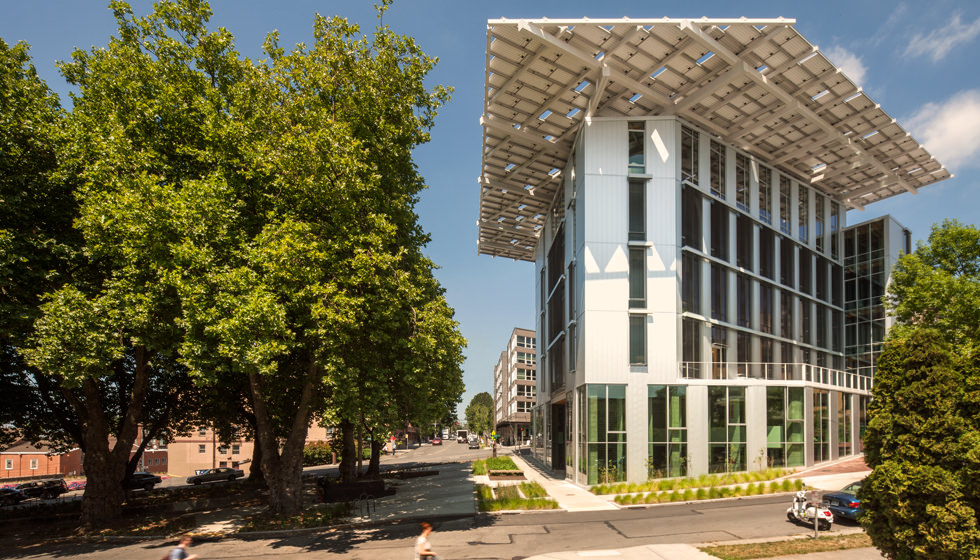
The Bullitt Center is often referred to as the greenest commercial building in the world. Designed by The Miller Hull Partnership, its interiors showcase how sustainability can blend seamlessly with functionality. The use of FSC-certified wood, recycled materials, and daylight-optimized layouts creates a workspace that reduces energy dependence and enhances productivity.
Benefits and Use Case:
The Bullitt Center uses a net-zero energy system and composting toilets, proving that sustainable design can work efficiently in large-scale office environments. It serves as a living example of how companies can achieve sustainability goals without sacrificing modern comfort.
Where to Visit or Learn:
Tours and educational sessions are available through the building’s official resources.
The Greenhouse Hotel – Utrecht, Netherlands

The Greenhouse Hotel demonstrates how hospitality spaces can embrace eco-friendly interiors. Designed with reclaimed furniture, solar energy systems, and organic materials, every aspect of the hotel reduces waste and energy usage.
The interior design features repurposed wood panels, plant-based textiles, and natural lighting that enhance comfort and reduce the need for artificial cooling.
Benefits and Use Case:
This project showcases how sustainable design in hospitality can lower operating costs and attract eco-conscious guests. It also sets an example for hotels worldwide, aiming to achieve energy neutrality.
Where to Visit or Learn:
Bookings and sustainability reports are available through official publications.
The Edge – Amsterdam, Netherlands
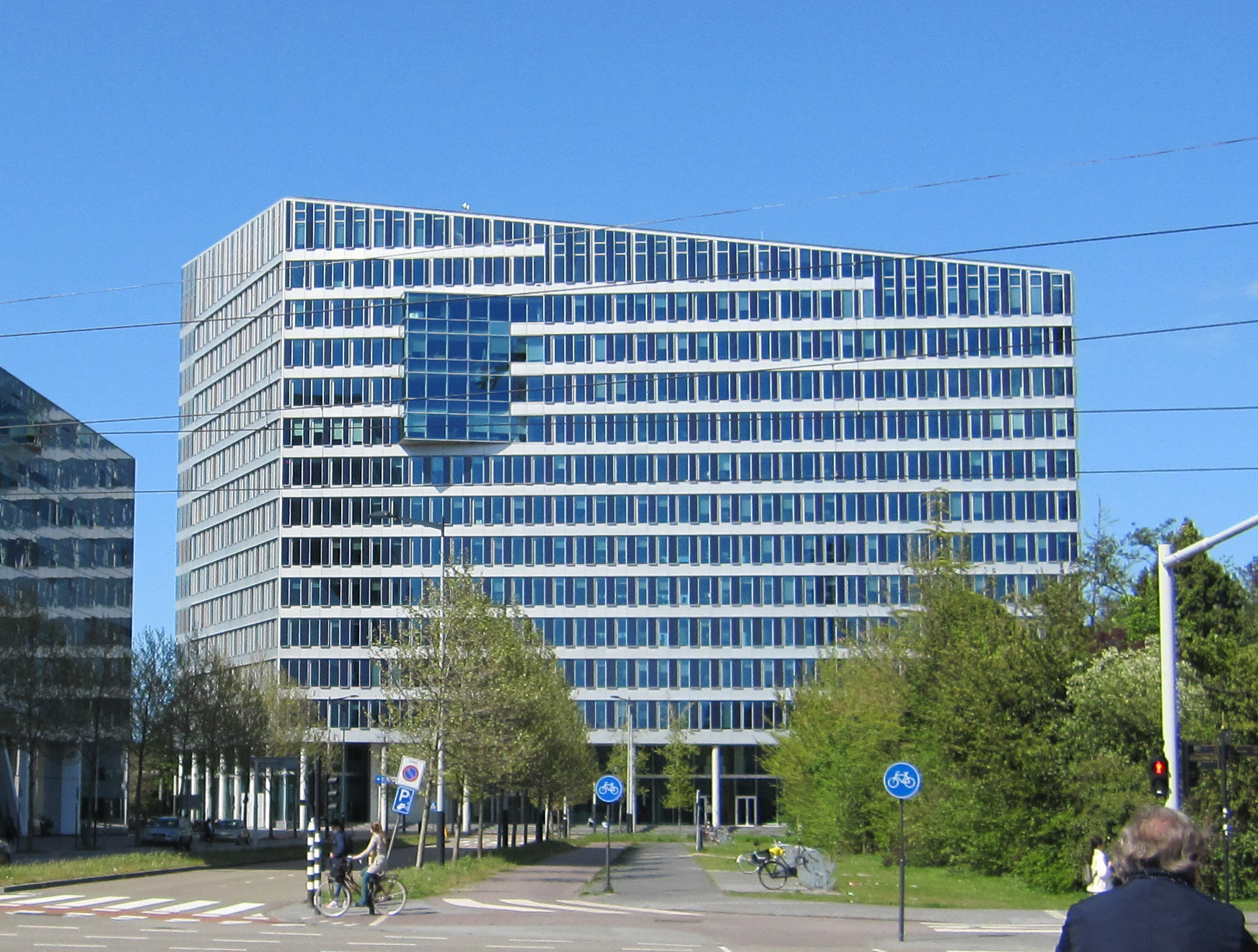
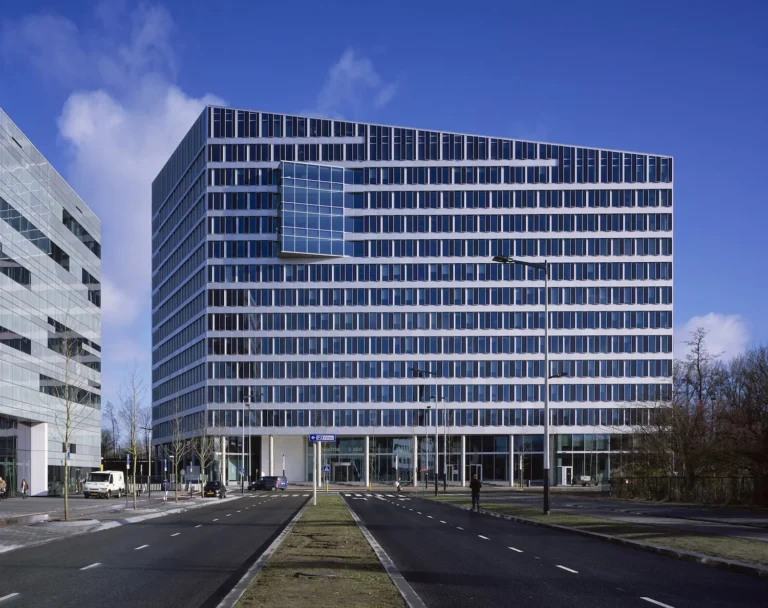
The Edge, one of the world’s smartest and most sustainable office buildings, redefines interior architecture with cutting-edge technologies. Its interiors feature smart lighting systems, adaptive climate control, and flexible workspaces designed for energy efficiency.
Every workspace is digitally connected to optimize comfort and resource use. The interior design uses recycled materials, acoustic panels made from PET bottles, and sustainable flooring.
Benefits and Use Case:
The Edge demonstrates how smart technologies and design can merge to create an energy-positive workspace. It supports employee well-being and drastically reduces utility costs.
Where to Learn:
Sustainability and architectural studies about The Edge are widely documented.
Bank of America Tower – New York, USA

This skyscraper sets the standard for sustainable interiors in corporate design. Its materials include recycled steel, glass, and low-VOC finishes. The building integrates an advanced air filtration system that provides clean, oxygen-rich air for occupants.
Natural light floods interior spaces, while automated shading systems regulate temperature and glare. The Bank of America Tower was the first high-rise to achieve LEED Platinum certification.
Benefits and Use Case:
This project highlights how sustainable design can improve employee performance and reduce a corporation’s carbon footprint. It also proves that green design can enhance a brand’s image globally.
Where to Visit or Learn:
Public tours are occasionally available through sustainability organizations.
CopenHill – Copenhagen, Denmark
CopenHill, designed by Bjarke Ingels Group, is a multi-use facility that combines waste-to-energy technology with recreation and sustainable interior design. The building’s interior uses recycled materials, minimalist furniture, and energy-efficient fixtures.
It also integrates nature into design through green walls and community activity areas. The use of daylighting and thermal energy recovery minimizes environmental impact.
Benefits and Use Case:
CopenHill proves that sustainability can coexist with functionality and recreation. It solves the urban challenge of combining industrial efficiency with livable design.
Where to Visit or Learn:
The facility is open for tours and educational experiences.
The Role of Technology in Sustainable Interior Design
Smart Home and Office Systems
Integrating technology in interior architecture enhances sustainability. Smart thermostats, lighting automation, and energy monitoring systems help users manage consumption effectively.
Digital Design Tools
Architects now use Building Information Modeling (BIM) and 3D simulation tools to optimize energy efficiency and reduce construction waste. These technologies ensure that every design decision contributes to sustainability.
How to Apply Sustainable Interior Architecture at Home
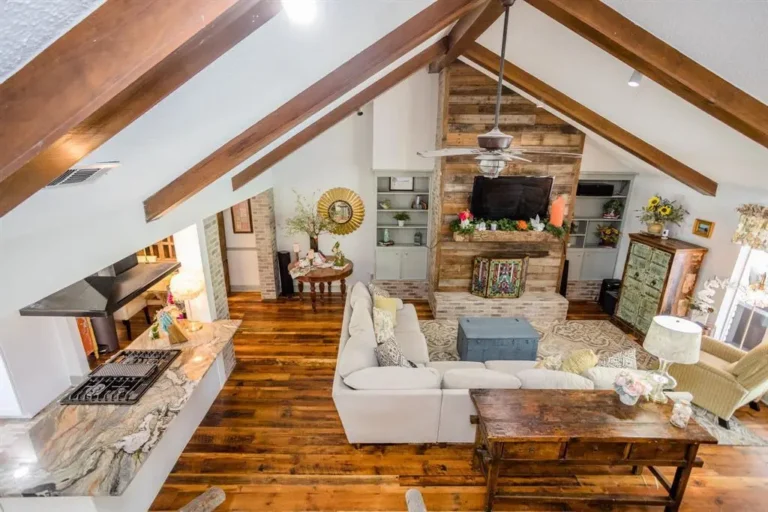
Homeowners can incorporate sustainability by choosing eco-friendly materials, using LED lighting, and investing in energy-efficient appliances. Reclaimed wood furniture, bamboo flooring, and natural fabrics reduce carbon emissions while creating a warm, organic atmosphere.
Partnering with certified green designers or suppliers ensures compliance with international sustainability standards such as LEED or WELL certification.
Where to Buy Sustainable Interior Products
Many sustainable products can be purchased directly from eco-design suppliers or green-certified online stores. Platforms that specialize in eco-friendly furniture, fixtures, and decorative items made from renewable materials are ideal sources.
Frequently Asked Questions (FAQ)
1. What is the main goal of sustainable interior architecture?
Its goal is to create beautiful and functional spaces that minimize environmental impact, conserve resources, and enhance the well-being of occupants.
2. What are the best materials for sustainable interiors?
Bamboo, cork, recycled metal, reclaimed wood, and low-VOC finishes are some of the most sustainable materials used in interior design.
3. How can homeowners make their interiors more sustainable?
By choosing energy-efficient lighting, using recycled materials, and supporting eco-conscious brands, homeowners can significantly reduce their carbon footprint while improving comfort and style.